

When it comes to relationships, parenting, or even how we respond to the weather, emotional intelligence plays a bigger role than we might realise. On Table Talk with Lockie last week, guest Dan Tan joined the conversation to unpack this powerful life skill – and explain why self-awareness is the foundation of it all.
What Is Emotional Intelligence?
Dan explains emotional intelligence simply: “It’s being smart about your feelings.” In other words, it’s about understanding and managing your own emotions, and recognising how others feel too.
“Emotional intelligence helps us build better relationships, communicate more clearly, and respond thoughtfully rather than react impulsively,” Dan says. “It’s not just about how we feel, but how we use that knowledge to create positive change.”
He compares it to a tool: much like fire, it can cook a great meal or cause destruction. The key is learning how to use it wisely.
Emotional Intelligence Starts With Self-Awareness
At the heart of emotional intelligence is self-awareness – the ability to recognise what you’re feeling and why. Dan suggests starting small: “Pause for a moment and ask yourself, How am I feeling right now? Rate it between 0 and 10, and then find a word to describe it.”
That step might sound simple, but for many, it’s surprisingly difficult. Dan points out that a lot of adults never grew up with an “emotional vocabulary.” Today’s children, however, are being taught words to describe their feelings, and that’s a positive change.
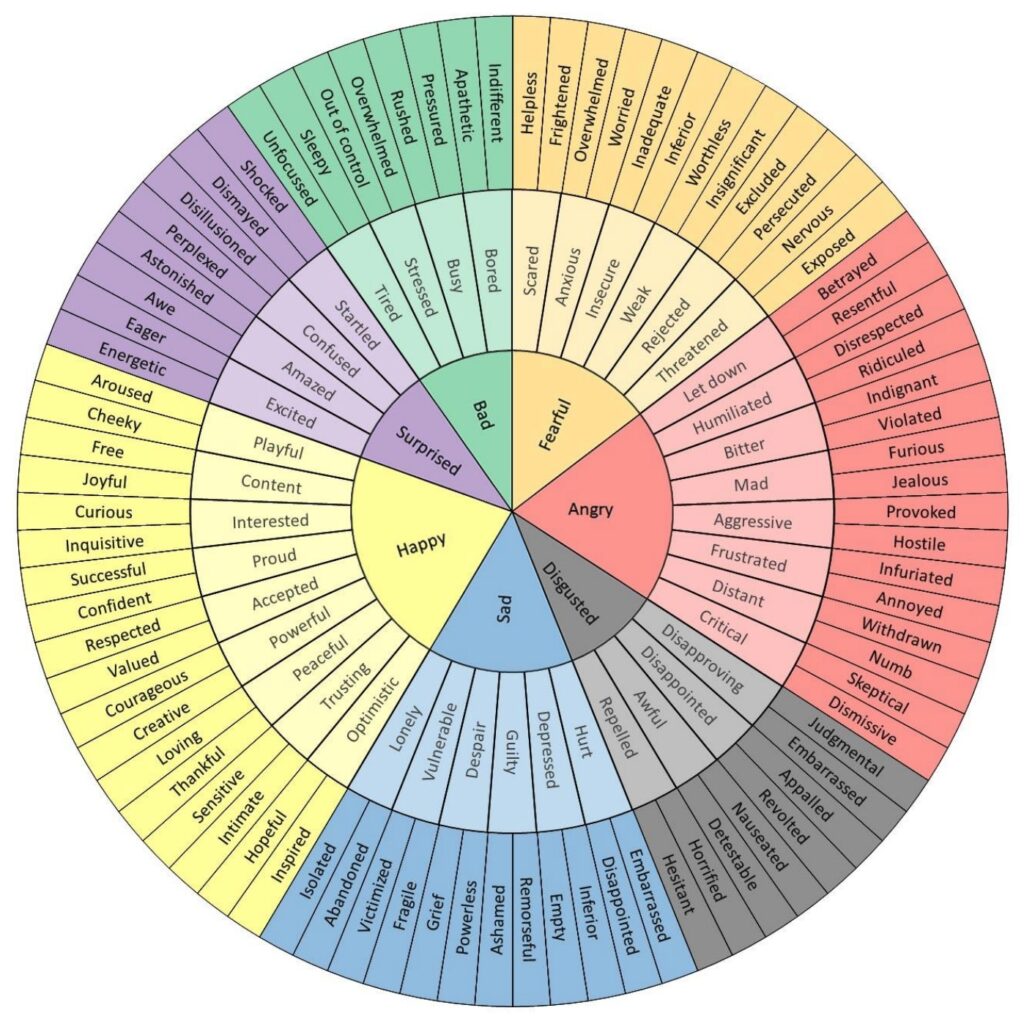
To help, Dan recommends using an Emotion Wheel, a visual tool that expands simple feelings like “bad” into more specific emotions such as “stressed,” “rushed,” or “overwhelmed.” This practice of “naming to tame” emotions helps you regain clarity and control.
How Emotional Intelligence Shapes Relationships
Emotional intelligence doesn’t just improve your internal world, it changes how you connect with others.
When you understand your emotions, you can better empathise with those around you. That’s vital in workplaces, families, and friendships alike. “No matter what job you have or who you live with,” Dan says, “you’re always dealing with people, and with yourself.”
He shared that even in technical industries like engineering, emotional intelligence is what makes teamwork thrive. “Once you understand personality types and what makes people tick, you can manage expectations better and build healthier connections,” he explains.
Responding, Not Reacting
Lockie shared a relatable example – getting frustrated when another driver cuts you off in traffic. Dan used the story to highlight an important truth: while we can’t always control what happens to us, we can control how we respond.
“The words you speak to yourself matter,” Dan says. “When you choose to give others grace instead of judgment, you actually calm your own emotions. You become more patient, more peaceful, and more loving.”
Listener Tracy texted in to say she’s been practising that very thing: “If other drivers want to speed, I move over. If they’re driving slowly, maybe they’ve just received bad news or aren’t feeling well.”
That, Dan says, is emotional intelligence in action.
The Power of Choice
Everything around us, from our relationships to the weather, affects how we feel. Yet emotional intelligence reminds us that we still have a choice. “Yes, external things like stress or sunshine influence our emotions,” Dan explains. “But in the end, we are responsible for how we respond to those emotions and the actions that follow.”
Whether you’re managing a busy workplace, raising a child, or navigating daily life’s ups and downs, emotional intelligence gives you the tools to handle challenges with grace, empathy, and balance.
Final Thoughts
Emotional intelligence isn’t just about managing feelings, it’s about living with awareness, empathy, and intention. And that’s something we can all grow in, one thought at a time.
Dan encourages everyone to keep growing in this area. “The more you understand yourself, the better you’ll understand others,” he says. “And when you can name your emotions, you can tame them.”
You can catch the full conversation below.