
In the wake of the tragic events in Bondi last weekend, many Australians are feeling shaken. Emotions are raw. Minds are overloaded. And hearts are heavy. How do we find healing after such a tragedy?
On Table Talk, Doug sat down with Michelle Moriarty, grief expert and founder of Grief Connect, to talk honestly about what it means to grieve collectively, and how we can find healing together during moments of national loss.
Why Tragedy Affects Us So Deeply
Even if we weren’t there, events like Bondi can hit close to home.
Michelle explains that sudden and violent deaths often cause vicarious trauma. This happens when we experience distress through the suffering of others. The constant flow of information, images, and personal stories makes it feel personal – because, in many ways, it is.
“These were everyday Australians,” Michelle shared. “Children. Families. People just like us.” As a result, emotions such as anger, numbness, shock, and sadness are not only common, they’re natural.
Are These Feelings Normal?
Yes. Completely.
Grief doesn’t always come from personal loss. Sometimes, it comes from empathy. Sometimes, it’s triggered by past grief we’re already carrying.
Michelle explains that many of us are grieving multiple layers at once. We grieve for the victims. We grieve for their families. And we grieve for the sense of safety we wish the world still held.
Recognising and validating those emotions is the first step toward healing.
Talking to Children About Tragic News
For parents, these moments can feel overwhelming. However, avoiding the conversation doesn’t protect children. Instead, Michelle encourages open and age-appropriate dialogue.
Ask simple questions:
- “Have you heard about what happened?”
- “How are you feeling about it?”
Children may feel shock, fear, sadness, or confusion. They may not have the words to describe their feelings yet. Creating space for them to talk helps them process grief safely. Even if the conversation feels awkward, it matters. Healing begins with acknowledgement.
Holding Joy and Grief at the Same Time
One of the hardest tensions many people feel right now is this: How can I experience joy when others are suffering? Michelle reassures us that grief is complex. We can feel gratitude, excitement, and purpose -while still carrying sadness and sorrow.
Both can exist together. In fact, acknowledging joy doesn’t diminish grief. Instead, it reminds us of our shared humanity and our capacity for hope.
The Importance of Self-Care During Grief
In times like this, self-care isn’t selfish. It’s essential. Michelle encourages Australians to be especially mindful in the coming weeks:
- Change your scenery. Step outside. Get fresh air.
- Move your body gently. A walk can help process emotion.
- Prioritise sleep. Rest supports emotional resilience.
- Limit social media when it becomes overwhelming.
If constant images and updates are triggering distress, it’s okay to mute, hide, or step back. Protecting your mental health matters.
Why Rituals Help Us Heal Together
Collective grief needs collective expression. Simple rituals can create powerful moments of connection. Lighting a candle. Observing a minute of silence. Praying together as a family or community.
“These rituals honour life,” Michelle explains. “They honour the loss, the tragedy, and the people affected.”
Across Australia, vigils and community gatherings have already begun. These moments remind us that we are not alone, and that unity builds strength.
Supporting Others Through Grief
Many people want to help but don’t know what to say. Michelle encourages direct, compassionate questions:
- “How are you holding up?”
- “How has this been affecting you?”
Tools like the Grief Language Project Connect Cards can also help people feel more confident when supporting someone who is grieving. Presence matters more than perfect words.
Finding Strength as a Community
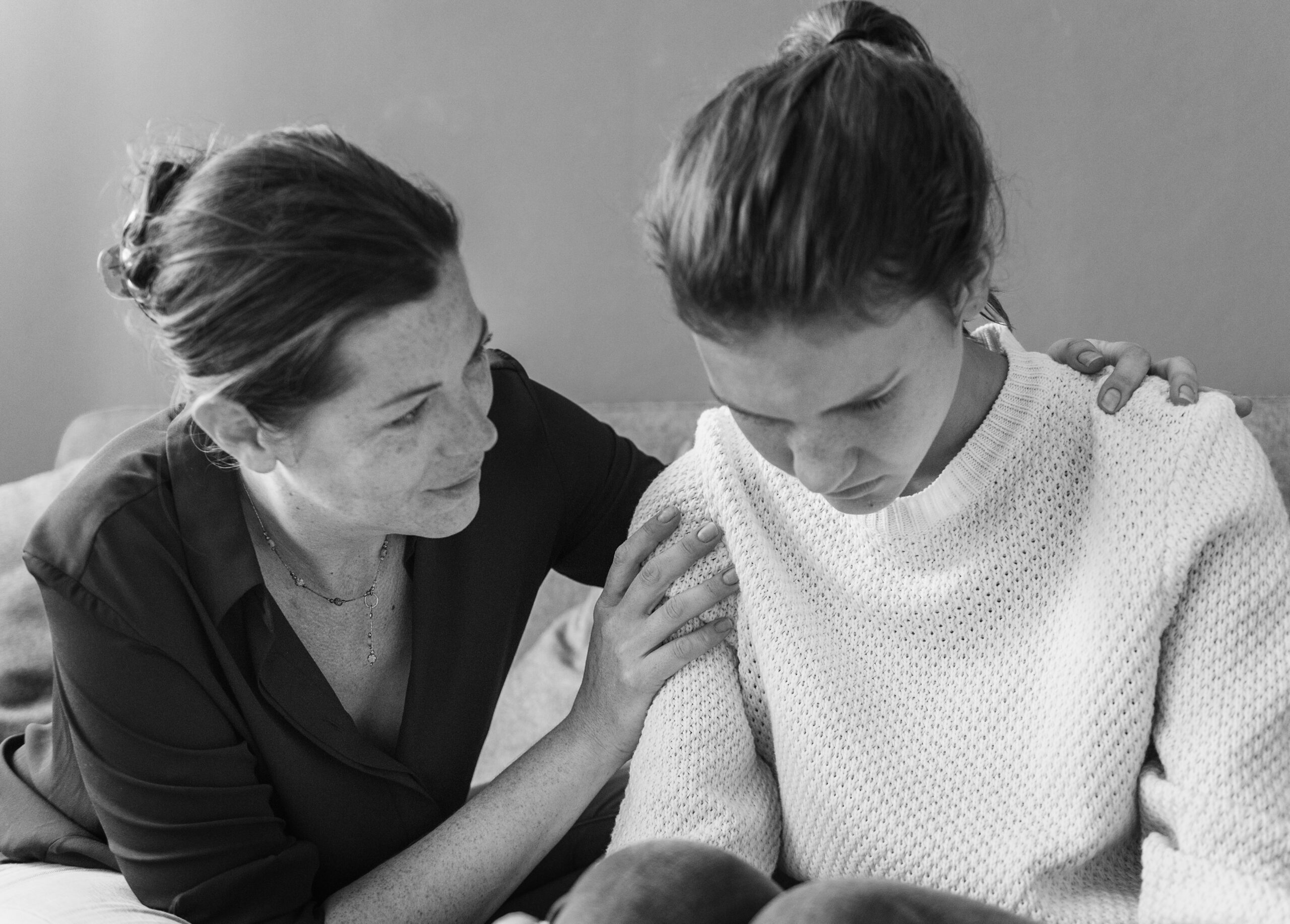
Healing doesn’t happen in isolation. Whether it’s through faith, prayer, community events, or simply checking in on one another, coming together helps us carry the weight of loss.
As Michelle reminds us, grief shared is grief softened. In times of darkness, compassion, connection, and light still matter.
If you’d like to hear the full conversation or explore resources from Michelle Moriarty and Grief Connect, check out the replay below.