
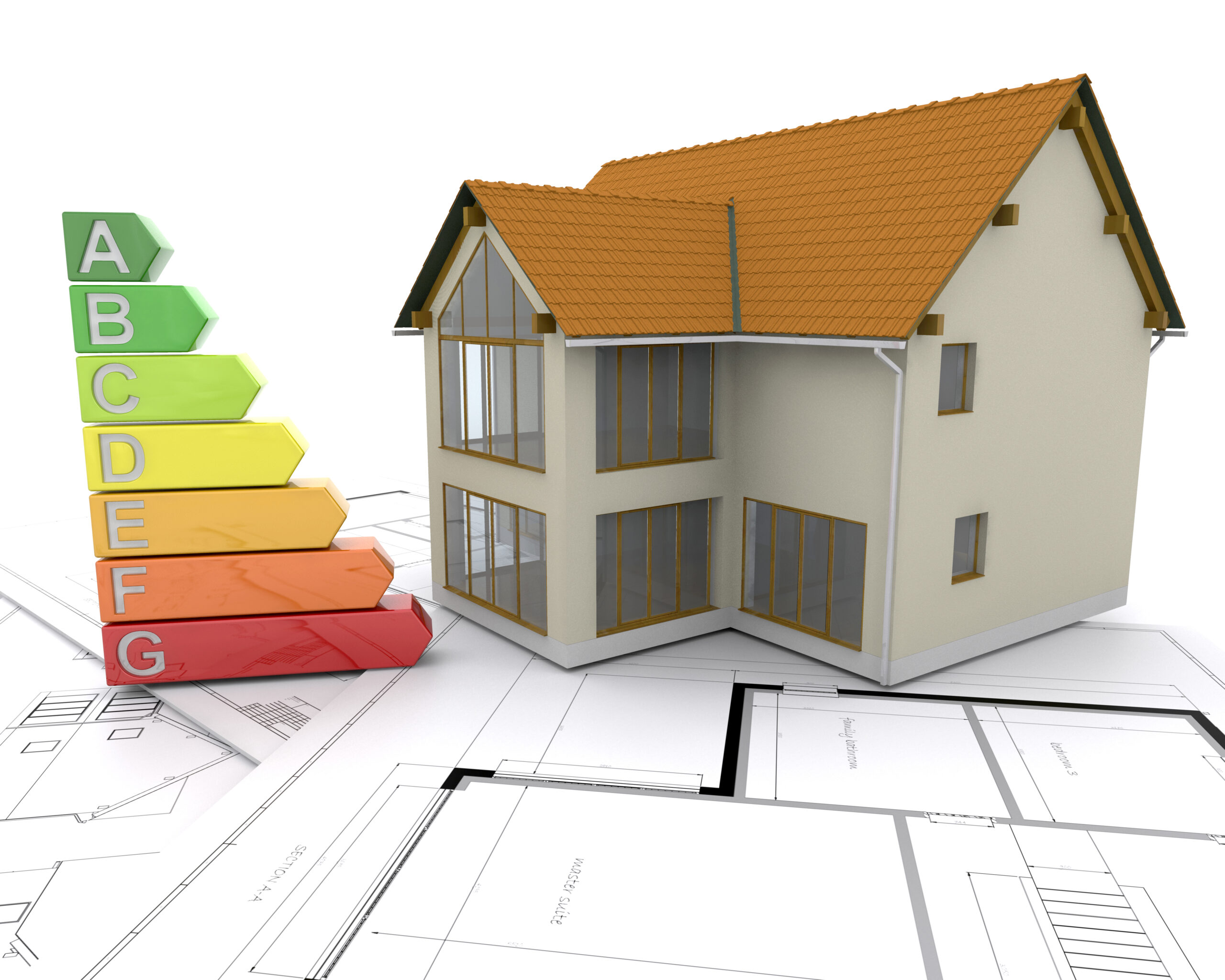
Energy efficiency is more than just a trend, it’s a practical way to save money, improve comfort, and reduce your home’s impact on the environment. Recently on Table Talk, Vance Thompson from Thompson Design joined Lockie in the studio to share expert tips on how Perth homeowners can make smarter choices when renovating or building new.
Why Energy Efficiency Matters in WA
In Western Australia’s warm climate, managing heat is one of the biggest challenges for homeowners. A more energy-efficient home doesn’t just stay cooler in summer, it also saves hundreds of dollars in energy bills each year and adds value to your property.
As Vance explained, “We spend so much of our time in our homes. It’s so important to make the right choices when it comes to renovating or developing, it affects your comfort, your finances, and even resale value.” So what are Vance’s top tips?
1. Choose the Right Roof Colour
One of the most overlooked aspects of energy efficiency is roof colour. Dark roofs, while stylish, absorb more heat and make it harder to cool your home.
“The difference between a white roof and a dark one can mean several star ratings in energy efficiency,” Vance said. “A light colour like Surfmist reflects heat, while darker shades like Monument absorb it, that can mean a 20-degree temperature difference in your roof space.”
For Perth homes, choosing lighter colours can help your air conditioning system work less and last longer.
2. Seal Your Home Properly
Sealing your home is another crucial step. Gaps around windows, doors, and vents can allow hot air to enter and cool air to escape.
“Windows are your first line of defence,” Vance shared. “Double glazing with UPVC frames instead of aluminium can make a massive difference. Even things like ensuring vents have dampers can prevent unwanted heat transfer.”
Small changes like weather stripping and tighter door fittings can drastically reduce your cooling costs.
3. Insulate and Ventilate
Insulation and ventilation go hand in hand. Vance noted that many Perth homes built in the 80s and 90s have little to no insulation, or insulation that has long lost its effectiveness.
“Insulation compacts over time and stops working properly,” he explained. “Replacing it can restore its thermal value.”
Proper ventilation in the roof space is also key. Old whirlybirds can wear out, while electric airflow fans offer an efficient modern upgrade.
4. Smarter Electrical Choices
When it comes to energy-efficient lighting and appliances, technology has come a long way.
As Lockie explained, “Thirty years ago, a single 100-watt bulb lit a room. Now, six LED downlights can do the same job using less than half the energy, and they generate almost no heat.”
Vance agreed that LEDs, efficient appliances, and careful energy management make a big difference. “You can even program washing machines or dishwashers to run at night when electricity rates are lower,” he added.
If you have solar panels, consider adding battery storage to maximise your investment, especially as feed-in tariffs have declined over the years.
5. Understand the New 7-Star Energy Standards
Legislation is catching up with consumer awareness. From May this year, new homes in WA must meet a 7-star energy efficiency rating, up from 6 stars previously.
“It’s a big jump,” Vance said. “We’ve been preparing for this for a while, but it means stricter building standards and more detailed designs. Additions and renovations can still use the old code for now, but overall efficiency is becoming more important than ever.”
6. Improving Older Homes
Upgrading an older property doesn’t have to mean starting from scratch.
“The best bang for your buck is often new windows and a lighter roof colour,” said Vance. “Old 3mm glass just doesn’t cut it anymore. Double glazing or even respraying your roof can help reduce energy loss dramatically.”
Don’t forget about maintenance, blocked eave vents, worn insulation, or inefficient ventilation systems can all impact your home’s comfort and energy use.
A Balanced Approach to Energy and Comfort
While renewable options like solar and heat pumps are becoming more popular, many homeowners still prefer gas for cooking and heating. Vance acknowledged that “gas is being phased out eventually,” but encouraged homeowners to make practical choices that balance comfort, cost, and sustainability.
Bringing It All Together
From the colour of your roof to the seal around your windows, every detail in your home can influence how efficiently it uses energy. Whether you’re renovating, building new, or simply making small upgrades, each step can lead to a more comfortable and cost-effective home.
As Vance summed up, “Little tweaks can make a big difference, and over time, your wallet and the planet will thank you.”
Want more practical home advice?
Keep listening to Table Talk for weekly chats with local experts like Vance from Thompson Design, and discover simple ways to make your home a better place to live.
You can check out the full chat with Vance below.