
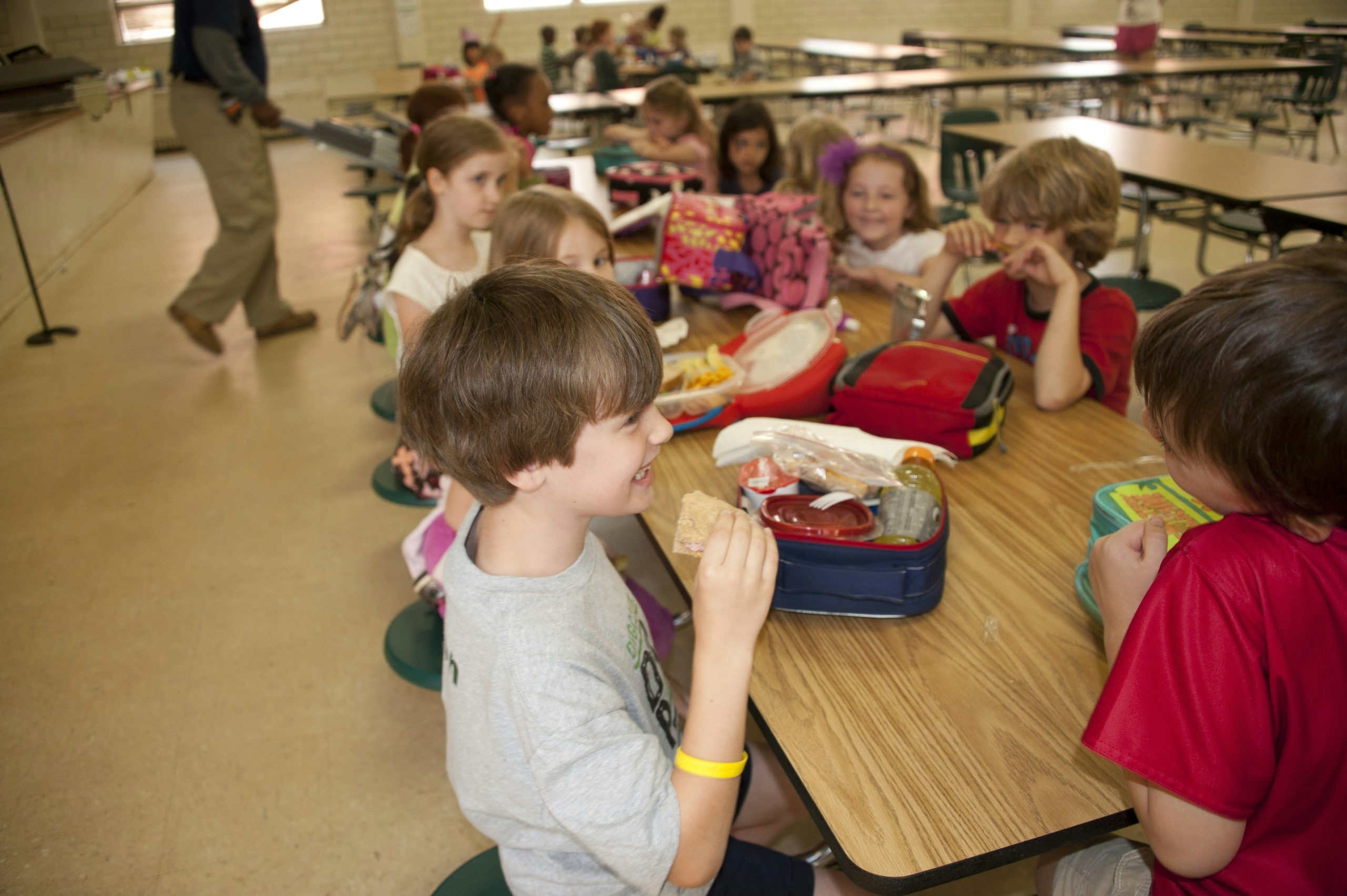
School lunchtimes might seem simple, but they play a big role in a child’s development. Craig Hunter, Principal of Kalamunda Christian School joined Doug to unpack the challenges and benefits of lunch breaks at school.
Lunch Breaks: A Hidden Learning Space
Lunchtimes aren’t just for eating or burning off energy. They’re an important social learning space. “It’s not like the classroom. There’s freedom. Teachers are like shadows. Kids work things out on their own,” Craig explained. This semi-structured time helps build key life skills like problem-solving, coordination and socialisation.
But with freedom comes the potential for conflict. “Often behaviour issues happen at lunch. Because the structure of the classroom is missing.” Still, Craig believes that learning to navigate those moments is a valuable part of growing up.
The Power of Friend Groups
Forming friendships is a major part of school life and lunch breaks help make that possible. “It’s where friendships are made. Some of those friendships last into adult life.”
But things don’t always go smoothly. Falling out with a friend group can leave kids feeling isolated. Craig offered this advice: “Don’t just have one BFF. Try to connect with different groups. That way, if something doesn’t go well, you have others to turn to.”
Is There Enough Time to Eat?
Some parents and teachers are concerned that lunch breaks are too short. “Research says kids need 40 to 45 minutes,” Craig said. “And they should have at least 10 minutes just to sit and eat.”
Shockingly, 63% of children get less than 10 minutes for lunch daily. Many boys try to finish quickly just so they can go play. That’s why some schools get teachers to check that kids are actually eating. “It helps build good habits. Because later, in high school, no one’s checking.”
Food First, Then Fun?
Some schools are trialling a “play first, then eat” model. But it’s not always successful. “We tried that. But they’d come back hungry, and it cut into teaching time.” Whether kids eat first or last, Craig believes one thing is essential: kids need to eat well.
The Energy Drink Problem
One of the biggest modern concerns? Energy drinks. “I had a student who brought a two-litre Coke for breakfast, By 11:00, he was crashing.” Energy drinks and sugary cereals can spike a child’s sugar and caffeine levels, leading to poor focus, short attention spans, and energy crashes.
“It wrecks the body’s ability to develop natural energy,” Craig warned. “It also impacts deep learning, which is about thinking, problem-solving, and sitting with ideas.”
Good Food, Good Learning
The solution starts at home. Healthy breakfasts and balanced lunches give kids the fuel they need for both play and learning. “We can’t expect kids to learn well if they haven’t eaten well,” Craig said.
Final Thought
Lunchtimes might seem like a break from learning, but really, they’re full of lessons. From friendships to food choices, they help shape kids into healthy, resilient adults. As Craig summed it up: “Good habits now help kids make good choices later. That’s parenting 101.”
Listen to the full chat below.