
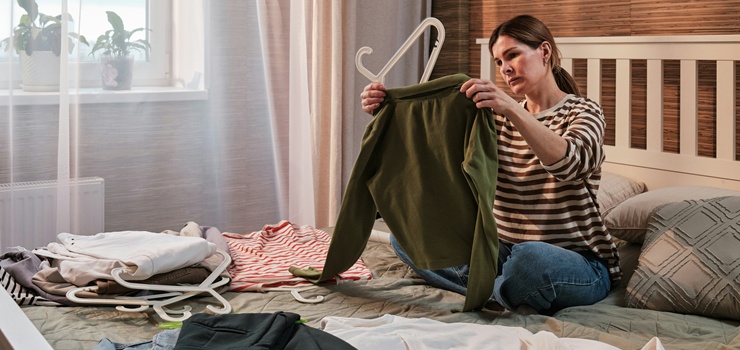
A cluttered home can often lead to a cluttered mind. But according to professional organiser Kiah Bouchet from Declutter with Kiah, decluttering isn’t about perfection or minimalism, it’s about creating systems that bring peace, clarity, and balance to everyday life.
Speaking with Doug on Mornings, Kiah shared why decluttering matters and how small, practical habits can help restore sanity at home.
Decluttering Is About More Than Cleaning
For many people, decluttering sounds overwhelming. However, Kiah explains that her passion comes from helping people on a deeper level. “There’s something methodical about helping people find solutions around their stuff,” she says. “When I see the benefits it brings to their lives, that’s what lights me up.”
Her background as a support worker helped shape her approach. Rather than judging people’s homes, she focuses on creating safe, supportive spaces where individuals can make decisions confidently and without shame.
Decluttering vs Minimalism: What’s the Difference?
One common misconception is that decluttering means becoming a minimalist. Kiah says the two are very different. Minimalism is a lifestyle choice that often involves owning very few possessions. Decluttering, on the other hand, is simply maintaining your home so it functions well.
She compares it to servicing a car. “Every home should have a maintenance check,” she explains. “If we declutter every six months, things don’t build up into a bigger problem.”
Regular resets – such as reviewing wardrobes, pantries, or children’s rooms – prevent clutter from becoming overwhelming and remove the stigma many people feel about needing help.
Finding a Home for Everything
At its core, decluttering is about giving every item a designated place. When belongings don’t have a clear home, clutter naturally grows. Kitchen benches and tables often become “dumping zones,” where random items accumulate over time.
Kiah describes this simply: clutter attracts more clutter. Instead, she encourages a mindset shift – put things away, not down. When every item has a place, it becomes easier to maintain order and locate what you need quickly.
Understanding Different Types of Clutter
Through her work, Kiah has identified several common clutter styles that help people understand their habits without guilt. Three of the most common include:
Collectors – People who accumulate items connected to hobbies or interests, often receiving similar gifts over time.
Valuers – Those who struggle to discard items because they see potential usefulness or remember times when resources were scarce.
Sentimental Keepers – Individuals who attach strong emotional meaning to belongings, making decisions harder.
Recognising your clutter style helps you approach decluttering with compassion rather than frustration. The goal isn’t to remove meaningful items but to create balance so possessions support your life instead of overwhelming it.
Teaching Healthy Habits at Home
Decluttering is also a learned skill, especially for children. While kids may not naturally prioritise organisation, they can learn to maintain spaces and understand that “less is more.”
Finding balance is key. A home doesn’t need to look perfect, it simply needs to work for the people living in it.
Three Simple Decluttering Questions to Start Today
Many people feel stuck because they don’t know where to begin. Kiah recommends asking three simple questions when sorting items:
- Does it spark joy?
A helpful starting point – but not the only test. - Is it looking old and tired?
Items may hold memories but no longer serve a practical purpose. - Is it useful?
Even without emotional value, practical items earn their place through function.
These questions make decision-making easier and reduce overwhelm during the decluttering process.
Small Changes, Big Impact
Ultimately, decluttering isn’t about throwing everything away. It’s about creating systems that support daily life and reduce stress. By approaching decluttering as regular home maintenance rather than a major overhaul, households can experience greater calm, improved focus, and spaces that truly serve their needs.
Sometimes, a little organisation can make a big difference to wellbeing.
You can check our Doug’s full chat with Kiah Bouchet below.