
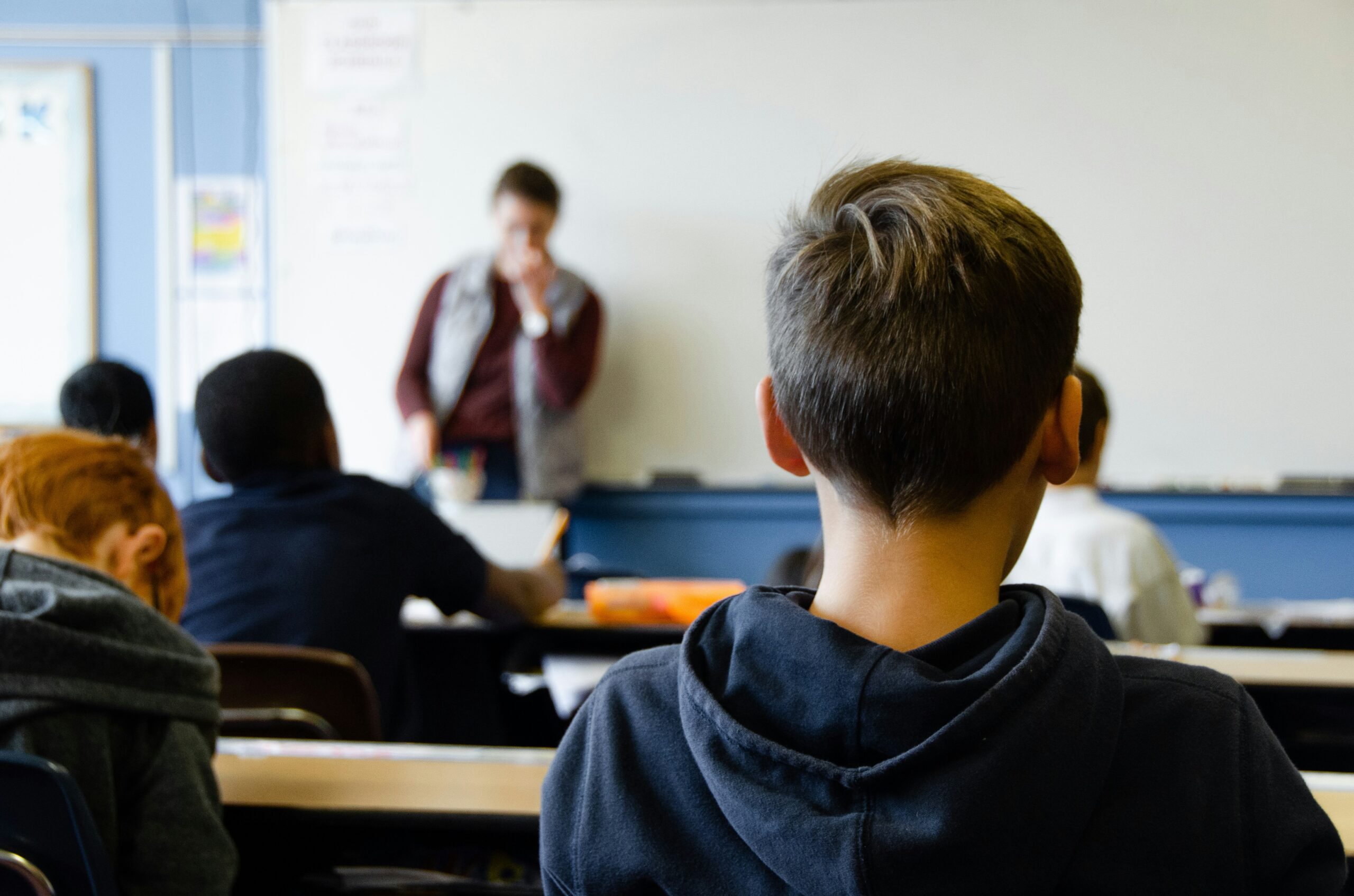
Australia is facing a school attendance crisis. “In 2019, 73% of students attended at least 90% of school days,” said Merinda March from Communicare.“By 2024, that number had fallen to just 59%.” So what is with Australian students missing school?
This sharp drop isn’t just a post-COVID effect. According to Merinda, multiple challenges are at play, such as mental health issues, family instability, cultural disconnection, and systemic barriers.
She joined Doug on Table Talk to unpack why and how we can help them reengage with education.
It’s Not Just Skipping School
While some might assume kids just don’t want to go, the reasons run deeper. “Many absences go beyond not wanting to be in class,” she explained. “Mental health, family violence, and even how the education system is structured can push students away.”
Bullying and anxiety are also major factors. “We’re asking young people to fit into a system that wasn’t made for them,” Merinda said.
Rethinking Success and School Structures
The traditional classroom doesn’t work for every child. Merinda highlighted that success shouldn’t just mean becoming a doctor or lawyer. “Success could be making your way in the world and being a good human being.”
She believes flexible learning models like care schools offer powerful alternatives. “They focus on strong student-staff relationships, flexible learning plans, and helping young people move at their own pace,” she said.
Why Care Schools Work
Care schools cater to students who struggle in mainstream education. They have small class sizes and personalised learning goals. “The focus is on knowing the student as an individual,” Merinda said.
She gave the example of a once-disengaged student now thriving in graphic design. “That student is working toward studying in Melbourne. They’ve discovered their value, beyond just what they do next year.”
The Role of Technology and Social Media
Merinda also warned about how easily young people fall down dangerous online rabbit holes. “The information they get is tailored to them, and that deeply influences how they see the world.”
She mentioned the impact of influencers like Andrew Tate and the need for schools to respond. “We’re seeing changes in how young boys interact because of what they’re exposed to online.”
It Takes a Village
Teachers are doing their best, but they can’t do it alone. “We need complete reform,” Merinda said. “The current system isn’t working if only 59% of students are attending regularly.”
She called for wraparound support that includes teachers, families, community organisations, and government investment. “It takes a village to support a young person.”
What Can Parents and Families Do?
First, listen. “If your child resists school, don’t dismiss it,” Merinda urged. “Their behaviour is often an unmet need.”
Then, engage. “Talk to their school. Look into care schools if needed. Ask the education system: how are you going to help me support my child?”
Finally, be kind. “Delight in them. Believe them. And advocate for a program that meets their needs.”
A Word to Educators
Merinda ended with gratitude. “To every teacher out there, thank you. You’re on the front lines, and we see your effort.” As attendance declines, it’s time to rethink education, not just what students learn, but how we support them to show up.
Listen to the full conversation below.