
Many parents wrestle with one pressing question: When is the right time to give my child a smartphone? Natalie Nicholls, founder of PLECS Learning, says the answer goes beyond age. It’s about brain readiness.
A Cautionary Tale
Natalie begins with a familiar story. “Mia is ten. Very clever, creative, persuasive,” she explains. Mia begged for a smartphone, promising to use it only for texts and calls.
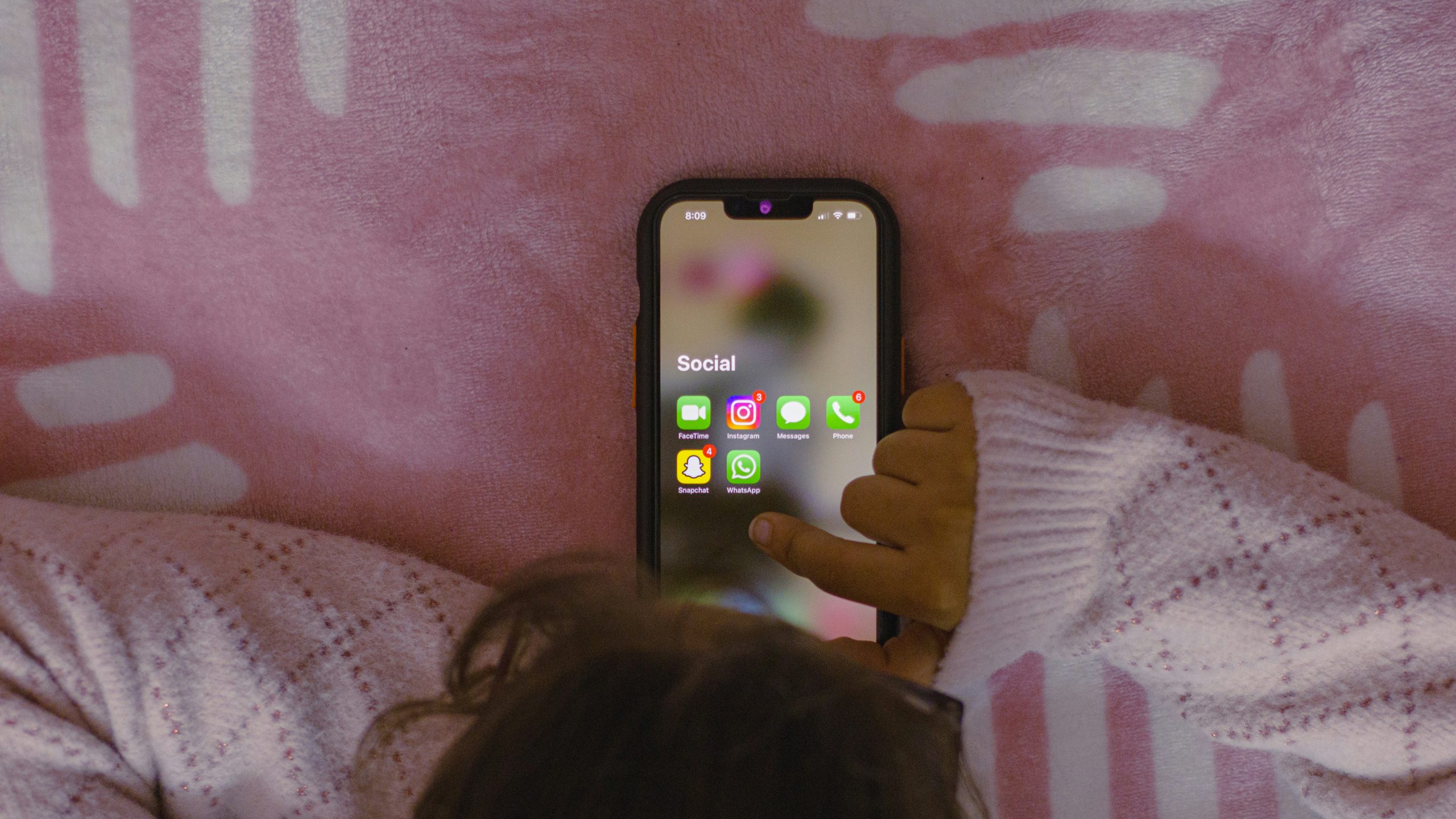
But soon after getting the phone, Mia was downloading Snapchat, scrolling YouTube, and constantly checking Instagram. “Her behaviour started to change. The relationship with her parents changed. Fights increased,” said Nicholls.
The result? More anxiety, mood swings, and a home full of tension.
It’s Not Just About Age
While many parents look for a magic number, Nicholls argues that chronological age isn’t the best measure. “Chronological age is just your birthday. Neurological maturity is whether the brain is ready to handle the tool.”
In other words, not all ten-year-olds are alike. Some may be emotionally and cognitively ready at 14. Others may need longer.
What Are You Really Giving Them?
Natalie breaks the smartphone into three parts:
- A phone – for calls and conversations.
- A computer – with internet access.
- Apps – offering social media, games, and more.
She says, “When we give a smartphone, we’re handing over a device that can shape how their brain develops.”
The Dangers of Early Screen Use
Children’s brains are still forming. Nicholls warns that screen use, especially passive entertainment, can overstimulate young minds. “If you’re about to put a phone in front of a child in a pram or in a car, research what’s going on inside the brain first. If you don’t know, don’t do it.”
Rapid screen movement trains the brain to expect constant stimulation. “That’s why we’re seeing more attention issues. We’re shaping their brain to crave novelty every few seconds.”
Social Media and Mental Health
Social media adds another layer of complexity. Apps like TikTok and Instagram reward kids with likes and dopamine hits. “Kids don’t have the executive function to resist. They just scroll and scroll. That’s not what their brain is made to do.” Excessive use can lead to poor memory, reduced attention, and even distorted views of reality.
The Big Three Questions
Natalie encourages parents to ask three key questions before handing over a smartphone:
1. Are you ready?
“Are you ready to be strong and mature, to put boundaries in place?” she asks. Parents must enforce screen hygiene, set consequences, and resist pressure to be the ‘cool’ parent.
2. Is their brain ready?
Look for signs of self-control and emotional maturity. “If they can’t get off TV or gaming, they’re not ready,” Natalie warns. Research suggests 12 to 14 is the earliest window, but later is safer.
3. Have you removed access to unsafe content?
Smartphones open the door to online risks. “You have the power to block apps, limit internet use, or even choose a basic phone instead,” she says.
It’s Your Decision
Ultimately, Nicholls urges parents to take ownership. “There’s no damage in delaying a smartphone,” she reminds us. “But giving one too early can shape their brain in harmful ways.”
Her advice? Stay informed, stay strong, and always prioritise development over convenience.
Listen to the full conversation below.