
Walk down any supermarket aisle and the options seem endless — almond, oat, soy, macadamia, hazelnut. Once upon a time, “milk” only meant one thing: the kind that came from a cow. But in 2026, the word has never been more contested.
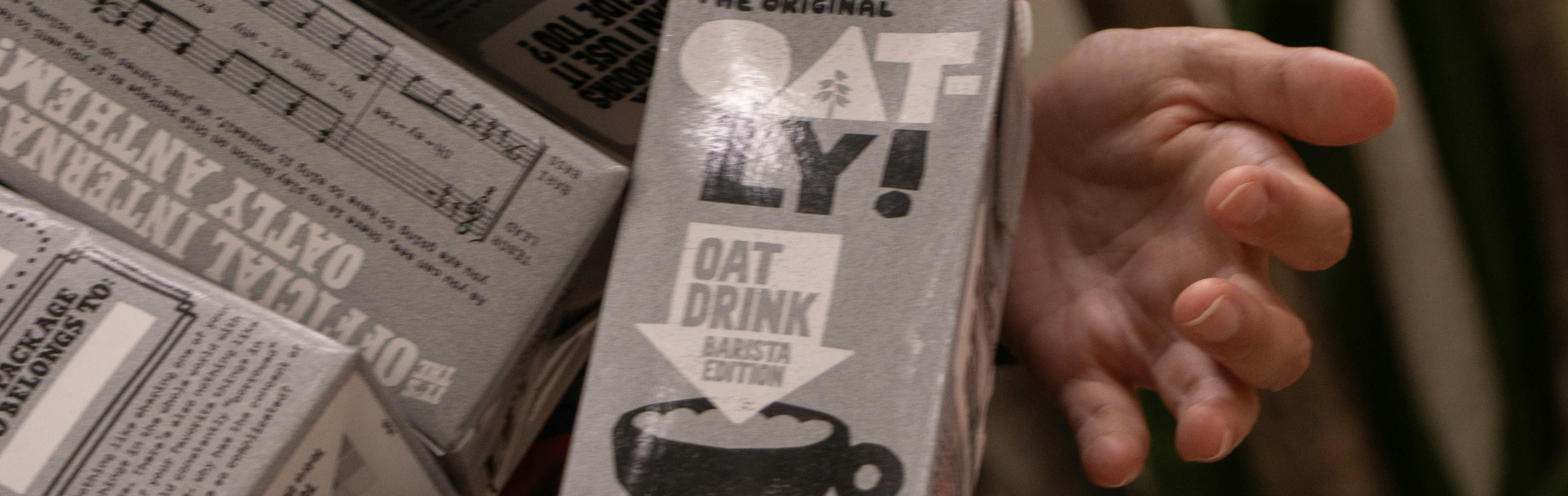
Leah and Dan recently found themselves in a light-hearted debate about this very issue after news broke that the UK Supreme Court had banned a plant-based company from using the word milk on its oat products. From now on, British shoppers will find “oat drink” instead of “oat milk” on shelves — a shift that’s stirring conversation worldwide.
Now, the question has reached Australian shores. The local dairy industry is calling for stronger labelling laws to ensure terms like “milk,” “butter,” and “yoghurt” remain exclusive to animal-derived products.
Leah summed it up: “We’re not milking the nuts, are we? So why do we call it milk?”
Dan wasn’t entirely convinced. “I like it. Say what it is! It’s not milk — maybe ‘oat drink’ makes more sense.”
But even Dan admitted that “oat juice” didn’t quite have the same appeal.
Beyond the breakfast table banter, this debate highlights something far bigger than what we pour into our coffee cups — it’s about branding, trust, and consumer perception.
Words shape markets. The term “milk” carries emotional weight built over generations — a sense of freshness, nourishment, and simplicity. Plant-based producers have tapped into that legacy to make their products feel familiar and comforting. But farmers argue that this familiarity can blur the truth for consumers and devalue the dairy industry’s livelihood.
As Leah puts it, clarity does matter. Yet, most consumers know the difference between almond milk and cow’s milk. So, does changing the label really change the product — or just how we feel about it?
Whether Australia will follow the UK’s lead remains to be seen. But one thing’s sure: the next time you reach for a carton, that single word “milk” will mean more than ever.
Check out more from Brekky here: https://www.sonshine.com.au//shows/brekky/