
Starting May 1, 2025, all new homes and major renovations in Australia must meet a 7-star energy rating. While the change is aimed at improving sustainability, it also means homeowners need to plan smarter, and possibly spend more.
What Is a 7-Star Rating?
A home’s star rating measures energy efficiency. A higher rating means lower emissions and cheaper bills.
“We’re trying to create homes that use less greenhouse gases,” says Vance Thompson from Thompson Designs.
Originally introduced in the 2022 Building Code, the new 7-star standard was delayed due to cost concerns. “They held it back as long as they could because people are struggling out there,” Vance explains. “But now it’s coming.”
The Cost of Compliance
Many homeowners are caught off guard. “They’ve done their plans for six stars, and now they suddenly need seven. It’s added thousands to their builds.”
Although the government estimated an extra $2,000 per home, Vance says, “It’s more like $8,000 now.”
Simple Upgrades That Make a Big Difference
Vance points to key features that can lift your rating:
- Double glazing: Keeps heat in or out.
- uPVC frames: Better insulators than aluminium.
- Heat pump hot water systems: Replace gas and boost efficiency.
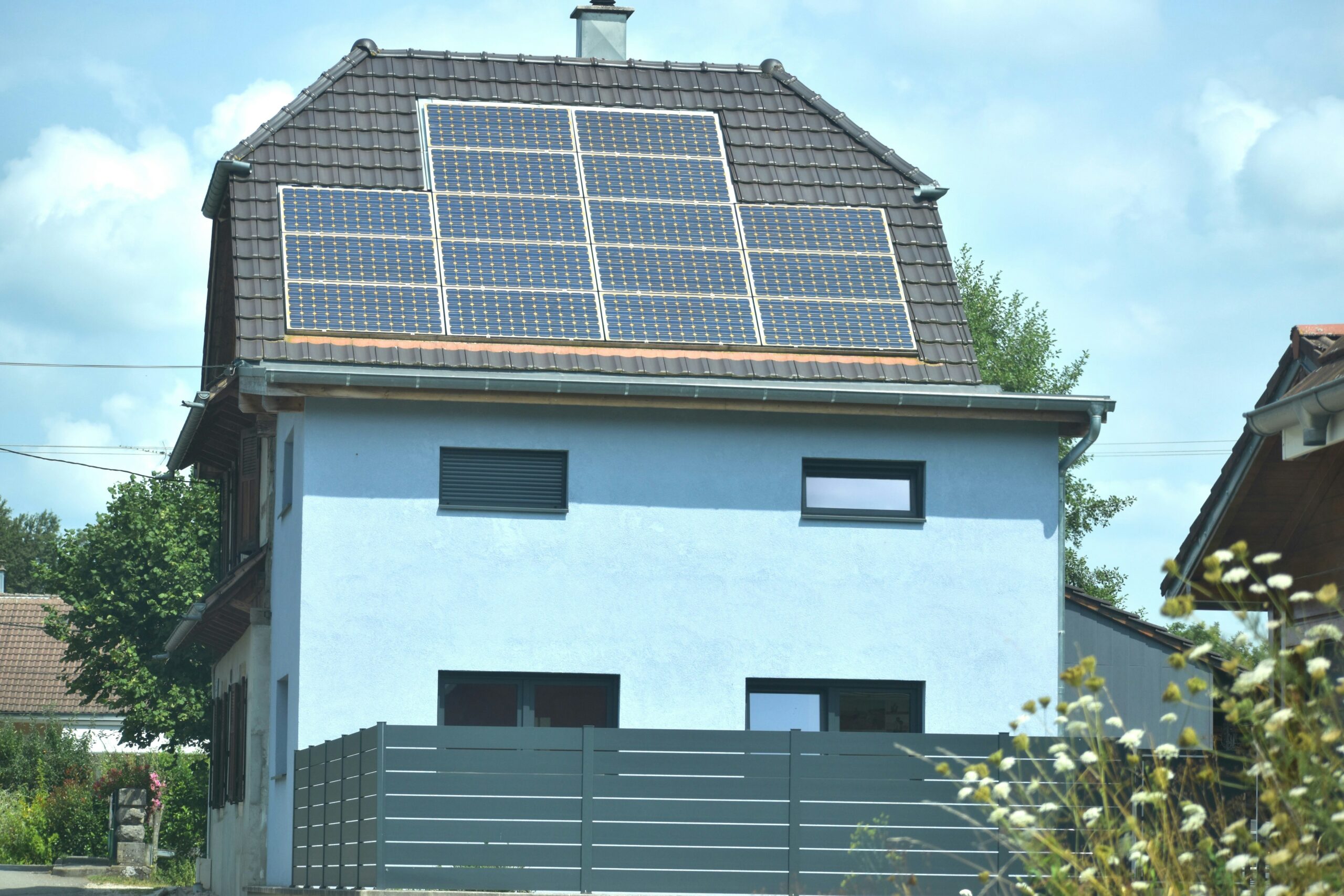
- Solar panels: “If you’re not quite getting that rating, you can add a solar panel system to push it over.”
Even small changes help. “A light-coloured roof can change your whole rating. It makes a huge difference,” Vance says.
Renovating? The Whole House Gets Rated
“If I’m drawing an addition at the back, I now have to measure the whole house,” says Vance. That’s because the energy assessor must calculate the rating across the entire home.
“It’s added more work, even just to a job like mine.”
Windows: Where Heat Escapes
Windows play a huge role in energy performance. Vance explains, “Aluminum conducts heat. uPVC with double glazing works as good as a wall.”
Replacing old windows? “Start with the west side of the house,” he suggests. “See the difference, then do the rest.”
Design Matters More Than Ever
“The best way to get your energy rating up is with smart design,” Vance says.
Orientation is key. “North-facing windows catch the winter sun. East and west sides need shading to stop heat gain.”
Verandas and wide eaves can help. “They keep direct sun off walls and stop heat from radiating inside.”
Project Homes and Energy Efficiency
Many pre-designed homes don’t consider orientation. “They just crunch the numbers to get it to comply,” Vance explains. “But a well-designed house can save you $300–$400 a year in bills.”
He says homes with higher ratings are already more valuable: “A new 10-star house was built north of the river. That’s the future.”
Roofing, Colours, and Cooling
Vance replaced his own tiled roof with tin. “We chose a light colour, and it changed the feel of the house,” he says.
“Colour makes a huge difference. It can be the thing that pushes your rating over the line.”
Want Lower Bills? Phase Out Gas
The trend is clear: gas is on the way out.
“Hot water is one of your biggest expenses. Heat pump systems are very efficient, and solar helps too,” says Vance. “Add those and your day-to-day costs come down.”
Even without renovations, you can improve efficiency. “Start with small steps, roof colour, insulation, even better appliances.”
Fireplaces? Seal Them Off
Old fireplaces can sabotage your energy rating. “They’re just letting all the heat out,” Vance says. “Block them well, and install an energy-efficient system in the space.”
Work With the Right People
The key to getting it right is partnering with experts. “You want someone who’ll be brutally honest,” says Vance. “They need to tell you when your plan won’t work and why.”
That honesty helps avoid expensive mistakes and leads to smarter, more efficient homes.
Listen to Vance’s full conversation with Doug on Table Talk below.