
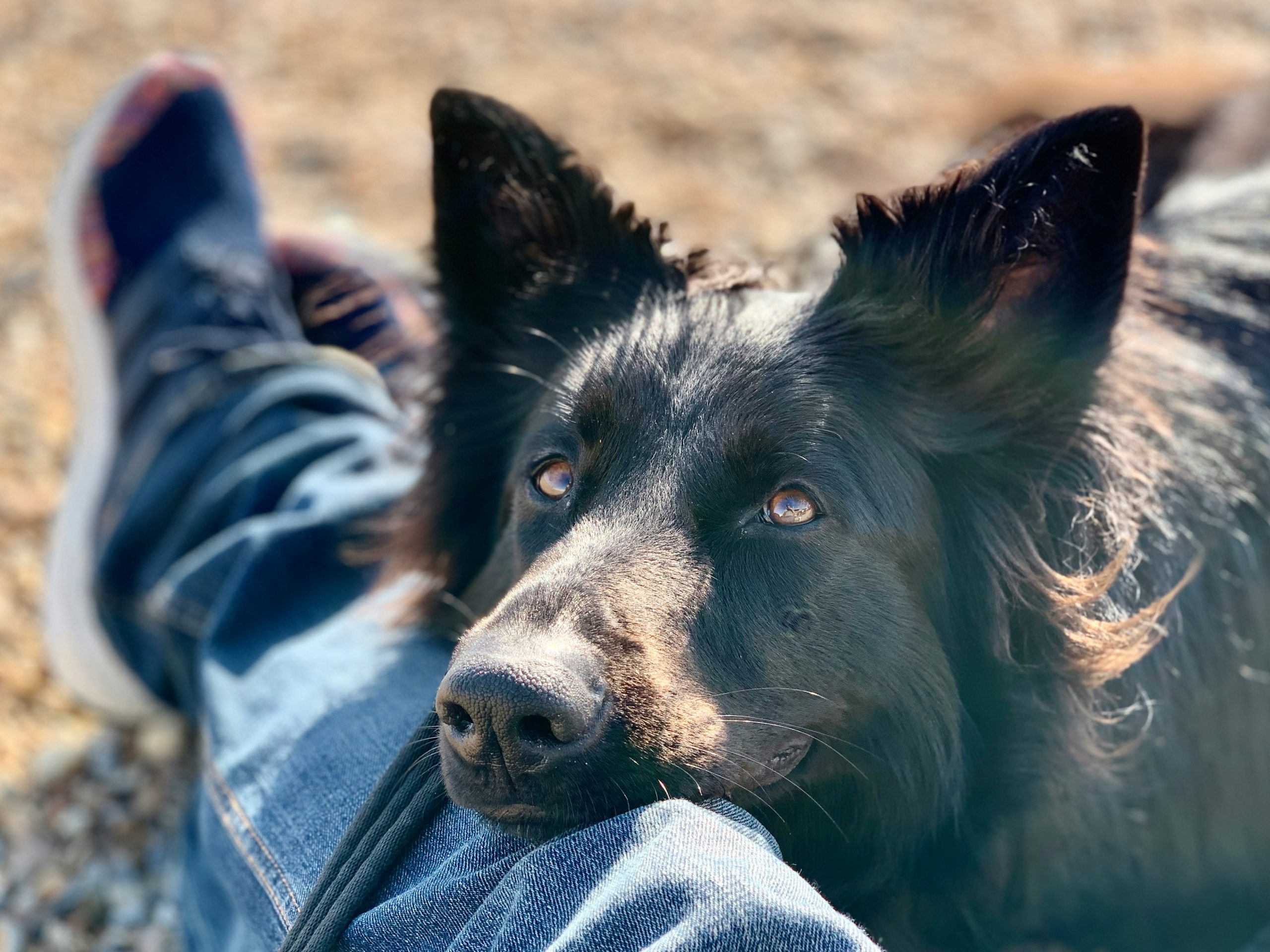
Ever wondered what your dog is trying to tell you? You’re not alone. Orlando dos Santos from Results Dog Training recently joined Doug to share his insights into dog behaviour and how we often misinterpret it.
“I often go to people’s homes and ask, ‘What’s your dog doing?’ They’ll say things like ‘He’s being stubborn’ but that’s not the full story.”
It Starts With Four F’s
Orlando uses a simple framework to help dog owners understand what’s really going on. He calls it the Four F’s:
1. Facts
Start by observing exactly what your dog is doing. “We need to identify observable facts. Is your dog jumping on people? Pulling on walks? That’s where we begin.”
2. Function
Why is the dog behaving this way? What is it getting from this action? “If a dog pulls on the lead, it might be over-friendly, what we call a ‘frustrated greeter’, or it might be anxious and trying to get distance.”
3. Future
What behaviour do you want to see instead? “I want my dog to walk calmly on the lead. That’s the goal.”
4. Fulfillment
How will it feel to reach that goal? “I won’t be embarrassed. I can enjoy my dog and take it anywhere.”
Once you understand these four points, you’re ready to train with purpose.
Then Come the Three P’s
Training takes planning. That’s where the Three P’s come in: Product, Purpose, and Process.
1. Product
What’s the final result you want? “I want my dog to walk beside me and come when called.”
2. Purpose
Why do you want this? “Good etiquette. I want to enjoy walks and not stress about my dog’s behaviour.”
3. Process
How do you achieve it? “Everyone wants the ‘how’ first. But we must understand the behaviour and our goal before training begins.”
Baby Steps Lead to Big Wins
Dog training isn’t instant, it’s a process. “Training is like a staircase. You can only take one step at a time.”
Start in low-distraction environments like your kitchen. Set a 30-day goal and train in short focused sessions. “Unless we’ve got a plan, the task feels too big. We try once, it doesn’t work, and we give up.”
The key? Celebrate every small success. Build confidence in both yourself and your dog.
Why Dogs Bark, Growl, or Pull
Sometimes, a dog pulling on a walk or growling when you say goodbye isn’t just being difficult. “Dogs are driven to seek pleasure and avoid pain. If they’re afraid, they’ll try to create distance.”
If your dog growls when you lean in to say goodnight, it could be discomfort with close contact. “Dogs give lots of signs before growling like stiffening or turning their body away.”
Orlando recommends the short video Stop the 77, which explains how 77% of dog bites to children come from the family pet and usually follow missed communication cues.
Final Thoughts
Dogs don’t speak English, but they do communicate clearly, if we know what to look for. So the next time your dog misbehaves, ask:
- What is my dog actually doing?
- Why is it doing that?
- What do I want to see instead?
- How will it feel when we get there?
With this approach, you can build a calmer, happier relationship with your dog.