
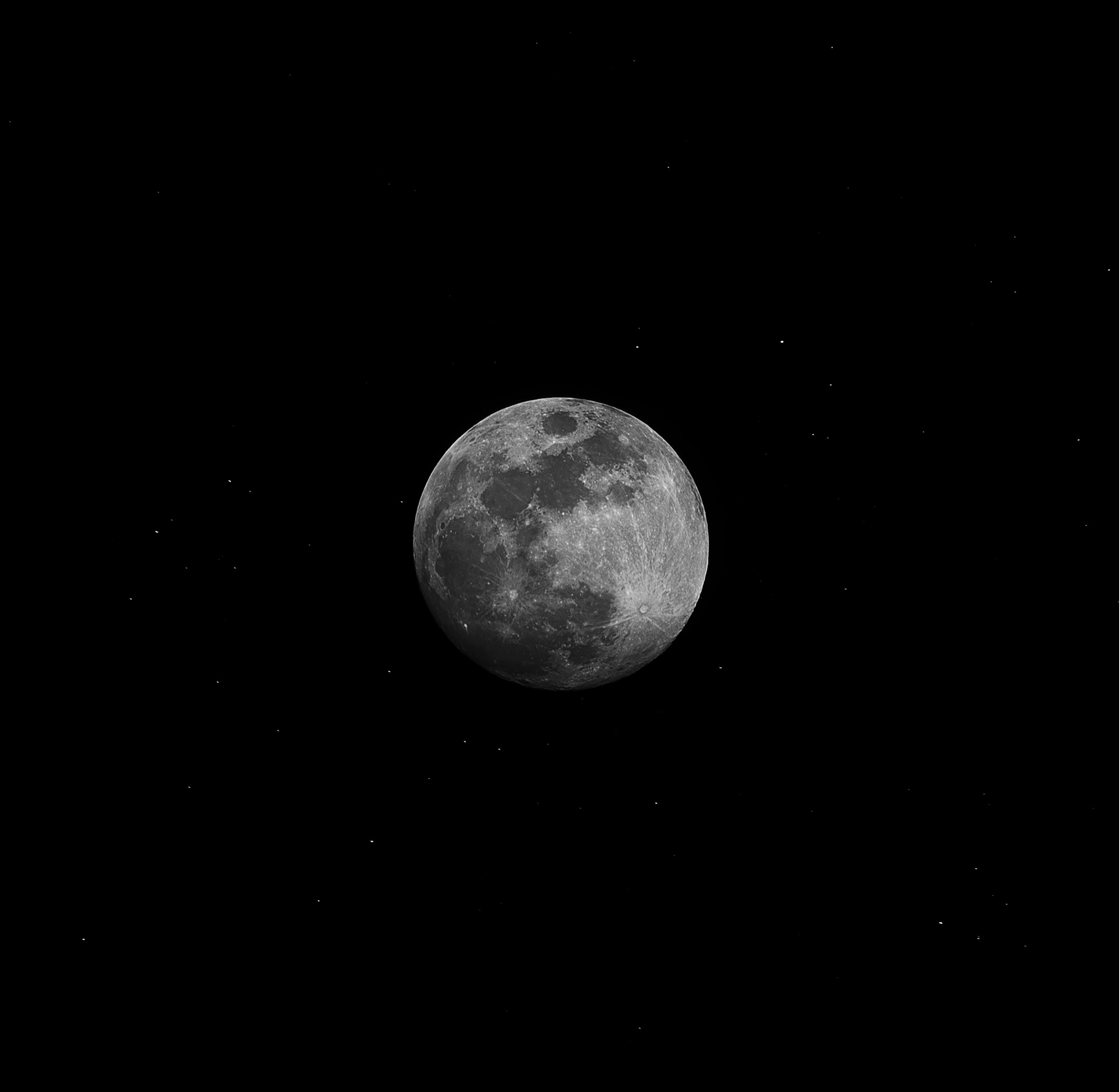
When you hear black moon, it sounds dramatic and almost apocalyptic. But as radio astronomer Dr. Laura Driessen explains, it’s not the end of the world. In fact, it’s a chance to see the stars more clearly.
What Exactly Is a Black Moon?
Dr. Driessen, from the University of Sydney, joined Bec and Asa to explain. She began by comparing it to a familiar phrase: “You’ve probably heard about blue moons before, especially the saying once in a blue moon,” she said.
A blue moon happens when there are two full moons in one month, or an extra full moon in a season. “A black moon is the same idea, except it’s a new moon instead of a full moon,” Dr. Driessen explained.
What Is a New Moon?
Many people get confused about new moons. Unlike a full moon, where the sun lights up the side we see, the new moon is dark. “The moon looks black because the far side is lit by the sun, not the side facing us,” Dr. Driessen said. In simple terms: during a new moon, the moon sits between Earth and the sun. We can’t see it at night.
So Can We See the Black Moon?
Not really. “The new moon is up during the day, rising at 6:30 a.m. and setting at 5:30 p.m.,” Dr. Driessen explained. That means the black moon itself is invisible. But that’s actually good news for stargazers. With no moonlight, the night sky appears brighter.
Perfect Conditions for Stargazing
The black moon happens on Saturday, August 23. While you won’t see the moon itself, the stars and planets will be stunning.
“This is the perfect time to stargaze,” Dr. Driessen said. “The dark emu will be overhead after sunset. Saturn is up all night, and Jupiter and Venus appear before dawn.”
Her advice: get away from city lights. Head for the hills to see the night sky in full detail.
A Modern Name for an Ancient Moon
Interestingly, the term black moon isn’t ancient.
“Blue moon, as we use it today, is less than a hundred years old. The idea of a black moon was only traced back to 2016,” Dr. Driessen revealed.
So while the name may be new, the moon itself hasn’t changed.
A Night to Look Up
You might not see the mysterious black moon, but you’ll see something better. Stars, planets, and even the celestial “emu” will be waiting overhead. As Dr. Driessen summed it up: “It just sounds really cool, right? But really, it’s all about the stars.”
Listen to the full conversation below.