

Susan Woodworth from Walk and Talk Psychology, joined Bec and Asa on Drive to talk about the ways in which parents can connect with their children.
The Circle of Security
A strong relationship with children isn’t built on just one conversation.
“It’s created through consistent small moments that you build with them,” said Susan.
Your bond is shaped by how prioritised your child feels in those moments. Susan explained this through something called the Circle of Security.
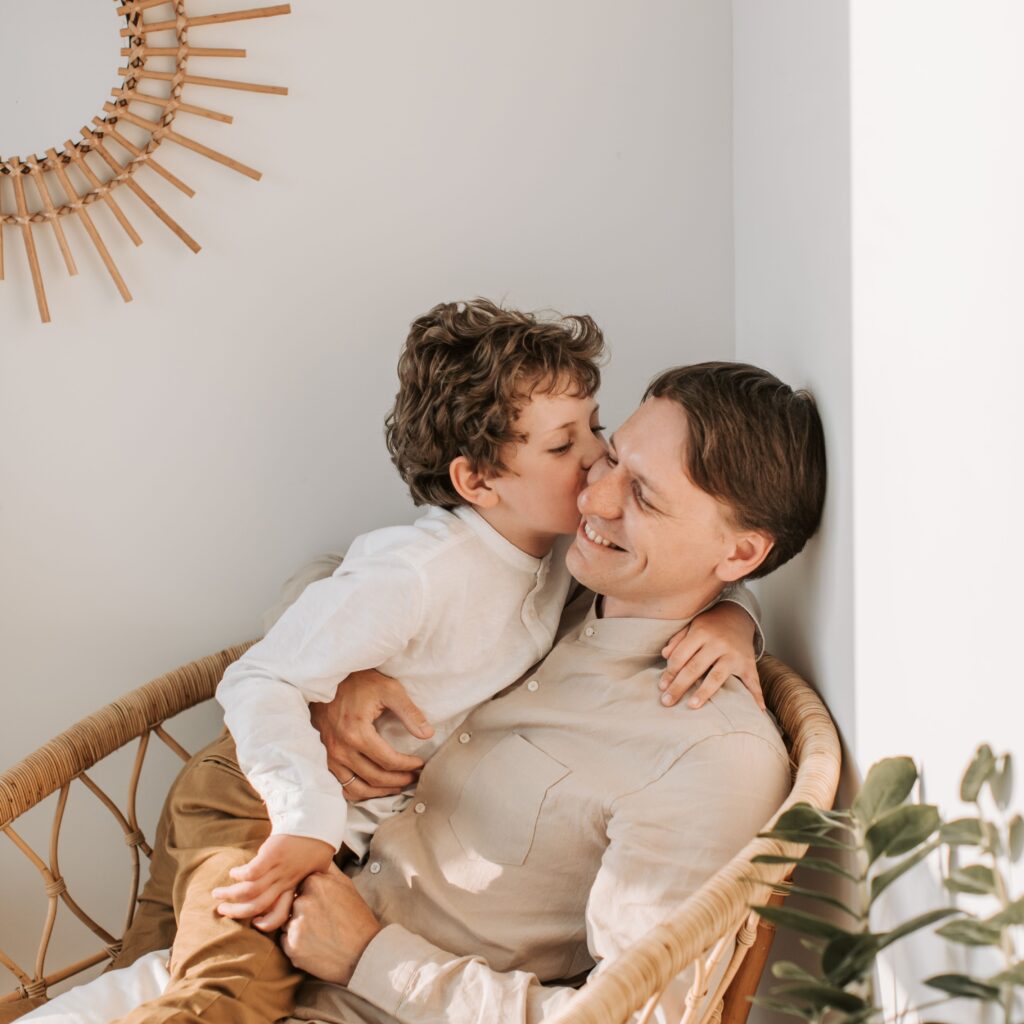
Delight in Me
“It’s a parenting framework, but one of the really core values in there is delight in me, which is like a core emotional need that represents a child’s need to see their value, their joy and their worth reflected in their caregiver’s eyes.”
Sometimes parents can feel overwhelmed by the responses of their children, or the ways that they are needed. We are given opportunities to meet them in those moments, so they don’t feel rejected by our response.
“Kids don’t need perfect parents. They just need engaged parents. And that’s you engaging with them.”

Let Them Drive
“You have to be able to jump into your kid’s world,” said Susan.
This means we have to shift from being the driver to the passenger in order to connect.
“Let them lead without judging them and really engage in what fascinates them. It’s not an automatic thing for anyone. It requires a conscious decision to put down all your adulting stuff and focus entirely on their frequency.”
She said this is done by literally getting on their level.
Come Down to Their Level
“You’ve got to let your kids know they are a priority, so put away your phone, get down to their level.”
Susan said when it comes to small kids, it is even more vital to be on your knees, looking them in the eyes at the same level. It lets them know that what you are saying is important.

10 Minutes
“Set aside 10 minutes. If you’re really busy, sometimes you’ve only got 10 minutes, but use that 10 minutes so that they know that they are the priority. Don’t get distracted by stuff during that time.”
By letting children direct the play and call the shots, we are highlighting their interests and getting insight into what areas of play excite them the most.
“That means, if you’re going to paint nails, they get to choose what colour they’re going to paint for you. Even if it’s lime green and hot pink,” said Susan.

Susan admitted it is hard for parents to relinquish control but it pulls focus away from routine and back onto connection.
“It’s not going to be as perfect as you can do it. It’s really hard to put that aside because getting on their frequency means you don’t get to choose. Building a fort together, you can’t say, oh, this would be a better way to build a fort because that way we’ll fall down.”
She encouraged parents to try it as an exercise in order to give their children a voice.
Get in the Game
Learning the games your children create is a very engaging way to connect.
“Don’t just watch them play whatever game they’re doing. Get in there. Have them teach you the rules. They’ll love to teach you the rules and explain their strategies.”
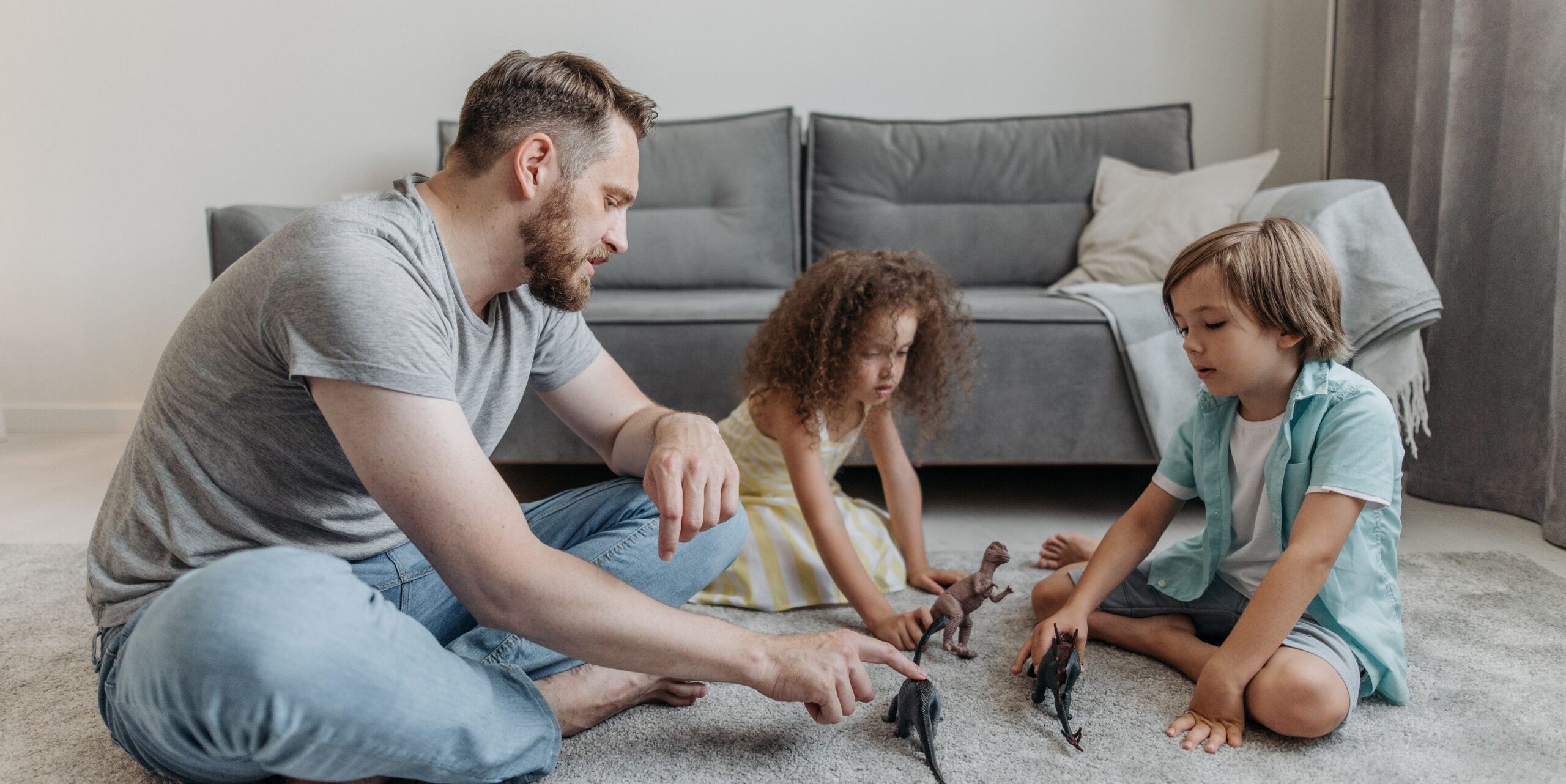
Susan said this can range from creations they’ve built to role play and made up languages.
“Do it together and don’t be afraid of looking foolish or making heaps of mistakes because they think that’s super funny too.”
When Times Are Tough
Finding regular windows of connection that break routines will ensure our kids come to us when it matters, said Susan.
“They’ll naturally stay close to you when the big things come, when the hard things come. I think that’s one of the really big benefits,” she said.
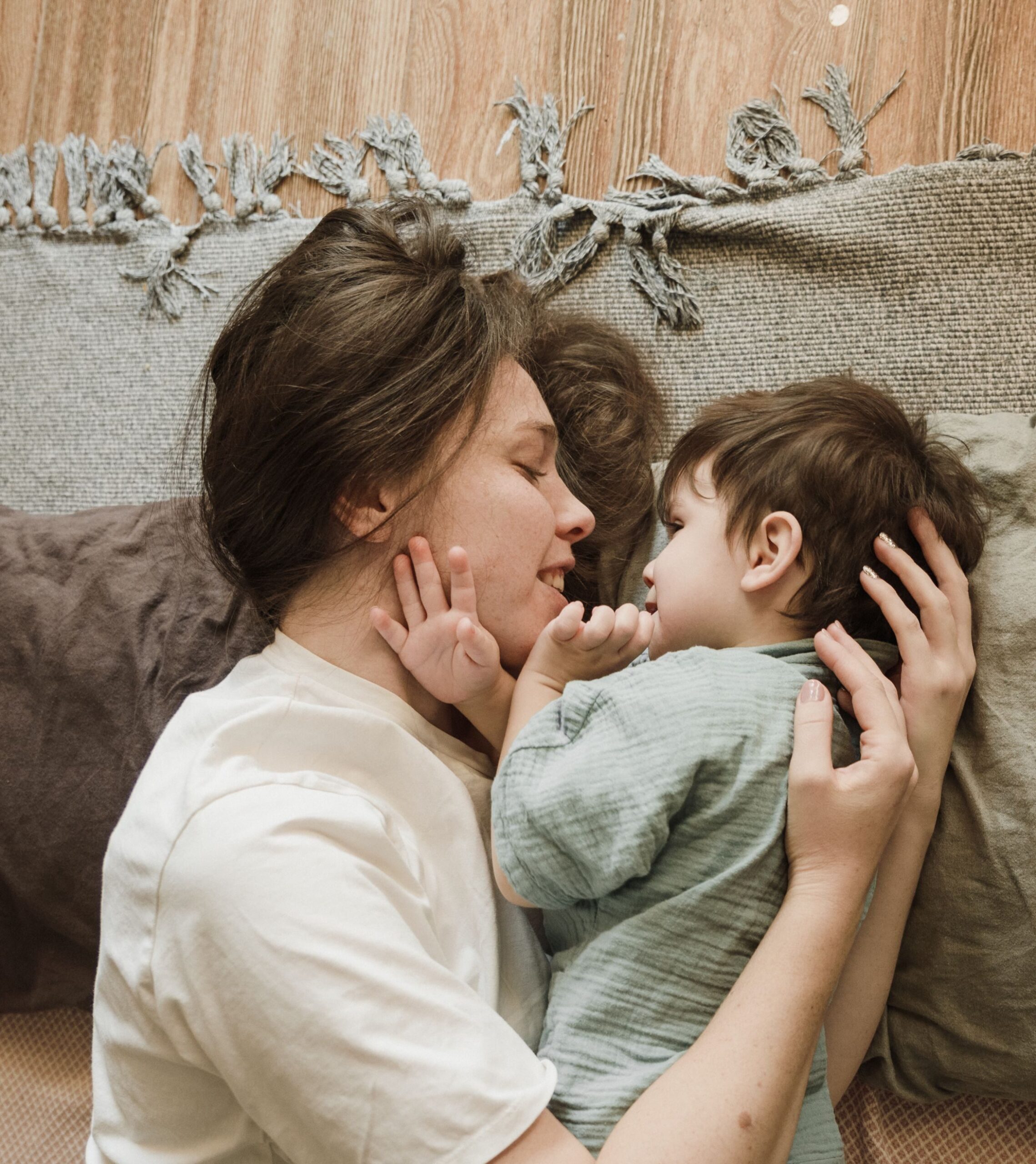
It will also translate to where they are at in their older years, when they gain independence, come to you less, but can still rely within the circle of security.
A Practical Step
“I think we could get down to our kids’ level and say, ‘Hey, what do you want to do? We’ve got 10 minutes now. What do you want to do?’ And just follow their lead. 10 minutes, let’s see if we can do it.
Check out the full chat with Susan Woodworth below.