
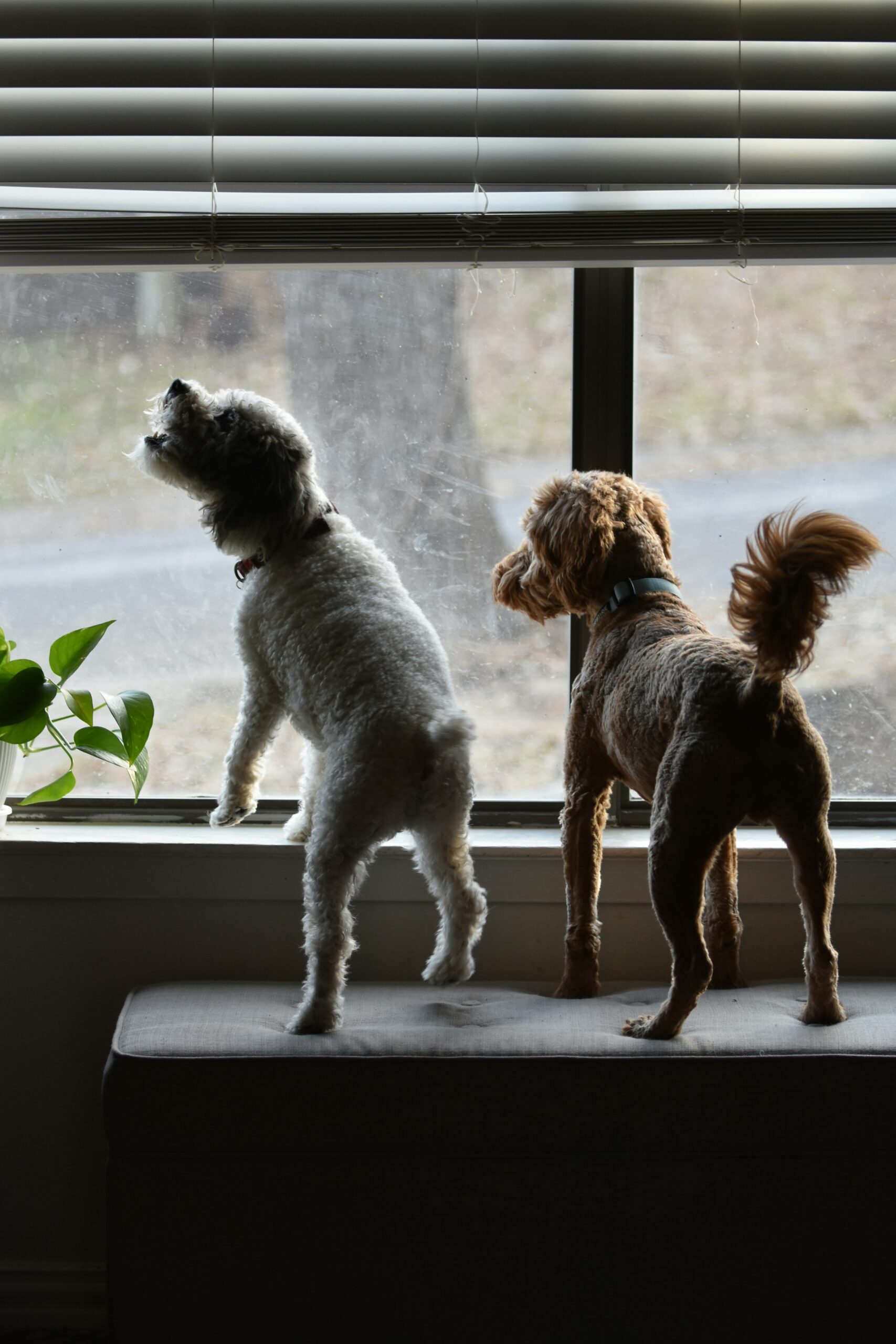
Child psychologist, Susan Woodworth, chatted with Bec and Asa on Drive about viewing anxiety as a guard dog.
Susan began with a story about her brother’s dog Axel, who came to visit her house recently.
“He was sitting at the front window and he would just bark at anything that came by. So, you know, the mailman coming to post letters, a little girl walking across the street, you know, people that look kind of dodgy walking past the house.”
Everything’s a Threat
Susan said there was no discretion about who he barked at and he would react enthusiastically every time.
“I thought, this dog thinks he’s the guard dog of our house, and if he doesn’t know what the thing is, everything’s a threat.”

Anxiety is a Guard Dog
Susan compared this story to people who struggle with anxiety.
“When you get anxious, you have like alarm bells going in your body. Your whole body gets triggered in this big fight or flight response and you get this adrenaline rush, your heart starts pumping, you get all sweaty, when you get anxious.”
She said anxious people have trouble thinking properly in these situations, much like a guard dog, protecting you from danger.
The Barking Brain
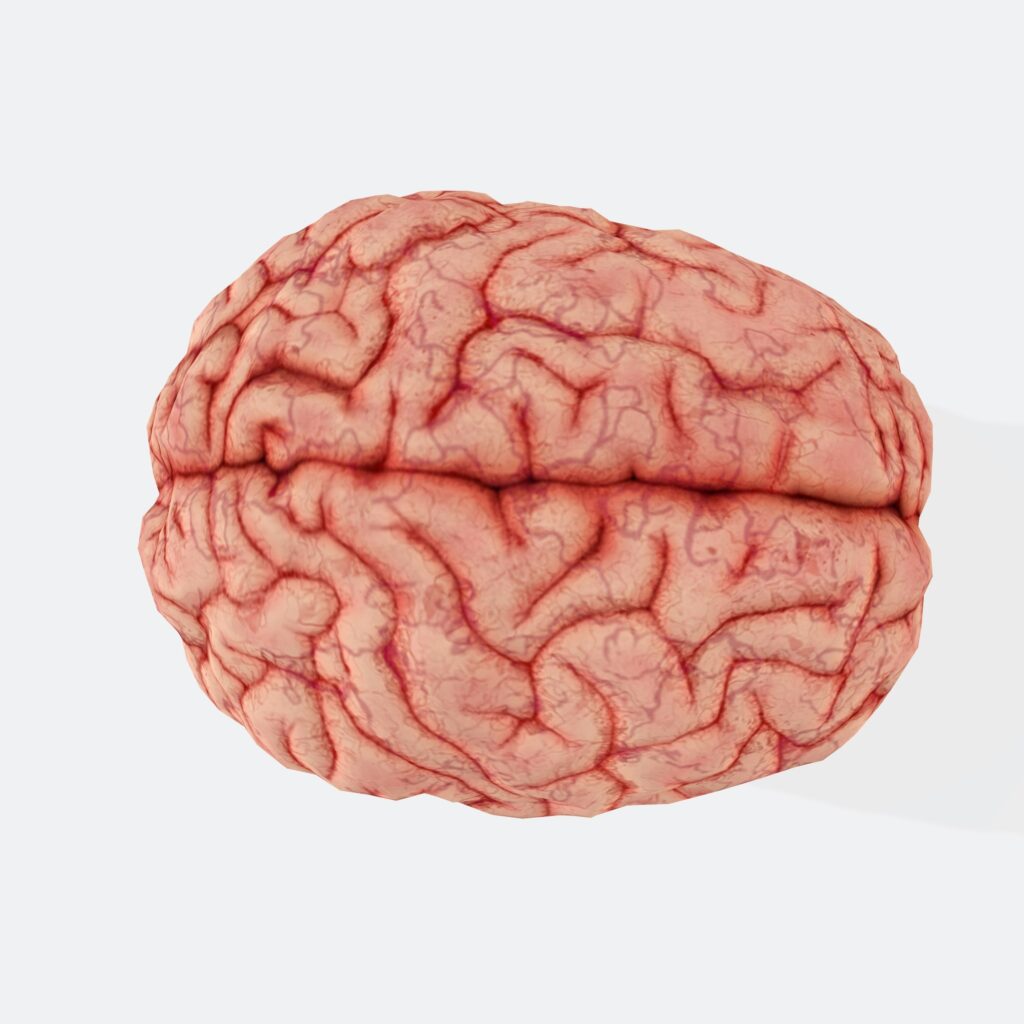
Susan explained what is happening to our brain when those feelings rise to the surface. She said that understanding the science behind it can be helpful in those moments where anxiety starts barking.
The Feeling Brain
There are two parts of your brain: Feeling and Thinking.
“You’ve got the feeling brain, which is like the guard dog. This is fast, it’s reactive, it’s always on alert, protecting you from danger. It helps you run away fast or fight.”

The Thinking Brain
“Then you’ve got your thinking brain, which is the logical part of your brain. It can pause, examine the situation, determine whether there is danger or threat. But this part switches off when the guard dog starts barking, like the anxiety comes. It goes away and you can’t think clearly anymore.”
The feeling brain can ‘bark’ at things that are completely safe but seem threatening.
“Things like public speaking,” said Susan. “It’s safe, probably, mostly safe, but it feels very, very scary. There are also some people that have guard dogs that are more alert.”

How to Train Your Guard Dog
“Training, it’s important,” said Susan. “It helps protect you from danger because you don’t have to run away from everything.”
Susan said that we can train our brains as though we would a real dog.
- Talk to it Kindly
“Say things like, ‘I know this is scary. Deep breath. You’ve got this.'”
2. Don’t Run Away From Danger
“You actually have to lean into it. So when you’re scared of stuff, if you run away from it, your anxiety is going to think that actually is a threat and you can’t do it.”
3. Lean in
Lean into the scary and confronting things and check it out to see if it is actually dangerous. Susan said this is the best way to avoid getting triggered.
“Think about training anxiety,” concluded Susan. “Your anxiety is here to protect you, so you don’t want to get rid of it.”
Susan said that guard dog is there to protect us. The feelings brain can be a tool with the right training. “It can help you feel safe and strong and ready to take on the world.”
Check out the full chat with Susan Woodworth below.