
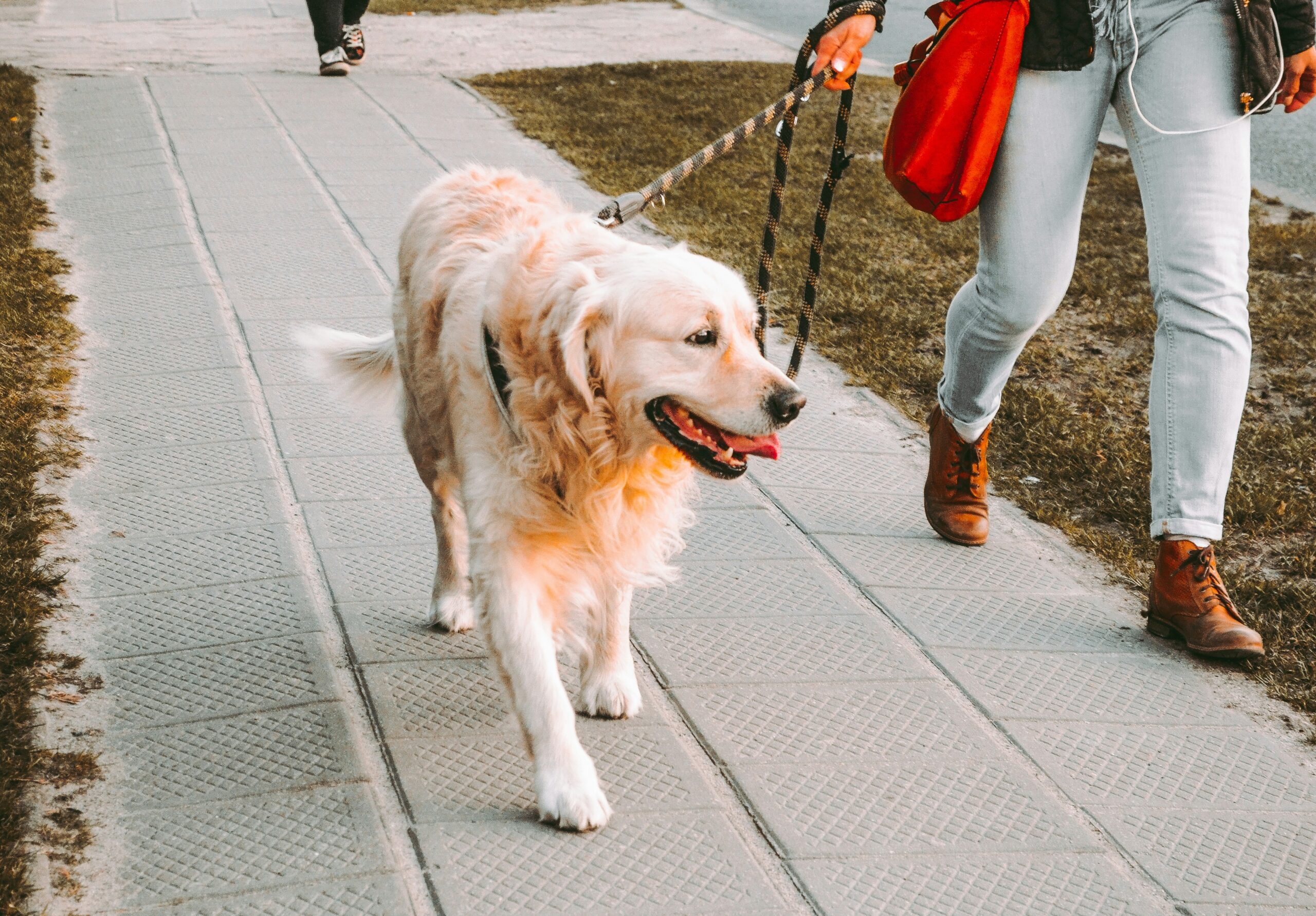
If you’ve ever found yourself being dragged down the street by your dog, shoulder aching and patience wearing thin, you’re not alone. It’s a common struggle, but as Orlando Dos Santos from Results Dog Training explains, it’s not just about obedience. It’s about understanding the deeper communication between you and your dog.
The hidden stress behind pulling
Orlando believes many of us experience something called pet stress when our behaviour and our pet’s don’t quite match up. When dogs pull on the lead, we often treat it as a nuisance but it’s really a symptom of a bigger issue.
“When dogs aren’t walked because of pulling, they get under stimulated,” Orlando says. “They miss out on their walk, their version of ‘social media’ sniffing trees, leaving their own post.”
Without that outlet, dogs soon look for another “job” digging, barking, or even destroying things at home. It becomes a cycle: pet stress leads to family stress, and in some cases, tough decisions about rehoming.
Why do dogs pull?
There are two main motivators: prey/play drive and fear/anxiety/trauma (FAT).
- In prey or play situations, dogs want to decrease distance they’re excited to reach a person, smell, or moving object.
- In fear or anxiety, they want to increase distance to feel safe.
Meanwhile, we’re often pulling in the opposite direction, creating tension that pushes dogs into what Orlando calls “the red zone.”
Imagine being trapped in an elevator full of screaming people, that’s how a fearful or overstimulated dog can feel on a tight lead.
Reading body language theirs and ours
Walking a dog isn’t purely mechanical. “We’ve made it about collars and leads,” Orlando says, “but there’s a lot more going on in how we and our dogs move.”
If a dog’s leash tightens around the neck, it can instantly trigger tension. Pressure on the throat activates stress responses, pulling them from the “green zone” (thinking, learning) into amber (anxious, tense) and eventually red (shut down, survival mode).
Certain harness types can make pulling worse:
- Back clips encourage sled‑dog behaviour they pull harder.
- Front clips can put strain on the shoulders.
- Two-point connectors put pressure on the chest and throat.
The most recent innovation, Orlando says, is a three-point side connector lead, which redirects from the ribcage instead. “It keeps both dog and handler relaxed,” he explains.
Rethinking how we hold the lead
Many owners instinctively tighten or yank the lead when a dog pulls, but that adds pain and sends stress chemicals through the line. Dogs can smell those stress cues and respond by shutting down.
Orlando suggests using a belt and carabiner system instead of holding the lead directly. This method removes pain from both handler and dog while keeping control. In one example, a 50‑kilo woman who couldn’t walk her 55‑kilo dog for three years managed to walk it comfortably after one session using this setup.
“When we take the pain off both sides,” Orlando notes, “we set up peace of mind for both owner and dog.”
Key takeaways for calmer walks
- Ask: what’s motivating your dog, excitement or concern?
- Learn if they want to get to something, or away from it.
- Keep tension minimal, a tight lead increases stress.
- Research how your equipment affects pressure points.
- Invest in a comfortable harness or side‑connector system.
- Remember: walking is not obedience training it’s connection.
- And most importantly let your dog sniff!
If you feel stuck, consider a few sessions with a force‑free dog trainer who can help build a calmer connection and remove pain from the process.
Walking your dog should feel peaceful, not painful. With the right tools, a calm mindset, and a bit of understanding, both you and your dog can enjoy stress‑free walks together.
Listen to Jason’s full conversation with Doug on Table Talk below.