
When a random detour on a European family holiday turns into the discovery of a lifetime, Mornings with Doug also had to take a detour away from Physio Mel’s usual topics of discussion on torn muscles and ligaments and share a story on The Lost Diggers Collection in Northern France, Vignacourt.
During WWI, local farmers Louis and Antoinette Thuillier took thousands of portraits of Aussie soldiers passing through the village.
Vignacourt
Mel began by unpacking what led them to France.
“Hubby’s got a winery in the Swan Valley and it currently goes under the name of Chapel Farm Estate.”

“One day, some lady turns up and starts having a chat with my hubby and goes, oh, you know, my brother and his wife happen to be over in Vignacourt in France and there’s a connection. Once we arrived in France, we decided to go to this place called Vignacourt.”
A French Town
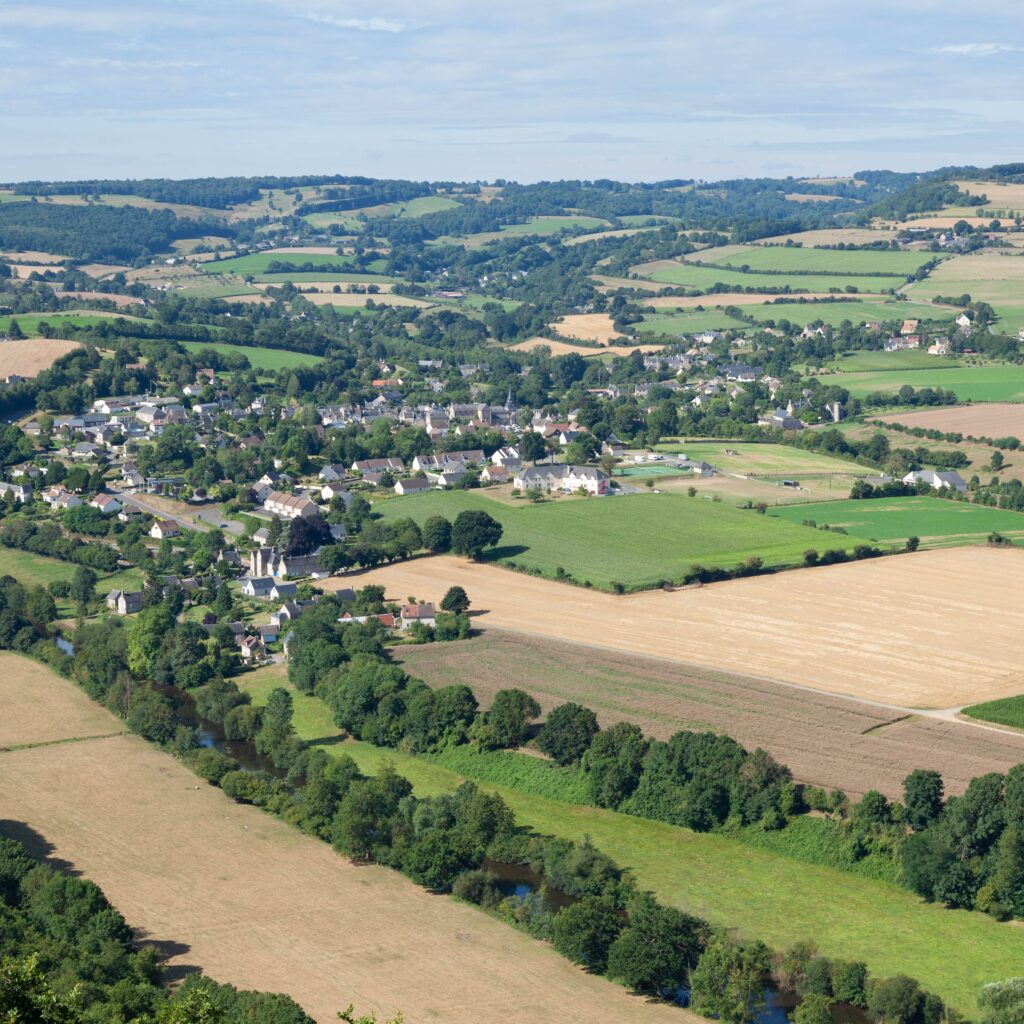
She explained it is a small town about 30 kilometres away from Villers-Bretonneux, where many Anzac soldiers fought and lost lives.
“Around 2010, there was a French historian, who had heard and found out about these photographic plates, these glass plates that had a certain type of emulsion on it. It’s how they used to take the photos.”
It wasn’t gaining much attention until an English newspaper decided to write an article on it.
Newsworthy
“Kerry Stokes who owned Channel 7 at the time, heard about this and wanted to know more,” said Mel.
“So, next thing you know, Channel 7 went over and thank God they actually decided to do a documentary as they actually went over.”
“They were speaking to Henriette Cronje, who was rather coy about the whole thing, but she obviously felt very safe and comfortable with this crew.She believed there to be more.”
Mel explained that the soldiers would come back off the front and receive showers and fresh uniforms and a man by the name of Louis Tullia set up a studio at his farm, with his wife, Antoinette.
“They would take photos for a meagre amount of money,” said Mel. “It is meant to be one of the greatest war finds for Australian history.”
Picture Plates
The photos look casual, but they are an important part of a bigger story.
“These soldiers have been washed and cleaned shaved after months of living in filth. They didn’t have their identity on their uniforms.”
“There are 4,000 of these photos that they found,” said Mel.
She explained that most plates had been destroyed towards the end of the war. They sold or repurposed the glass.
Louis and Antoinette knew that this was so important that they hid them.
House of Julia
“The museum is run by a lovely French lady, named Valerie, with some help from Donna and Michael. And Donna and Michael, who are teachers from Brisbane, are helping to look after the original house.”
Mel, then proceeded to tell a story, implicating Michael in a happy accident.
“I believe it was last year, Michael, don’t be angry at me, he was talking to someone and he was leaning against the wall in the attic where they originally found it. And as he was leaning, his hand slipped between the roof and one of the walls, next thing you know, he pulls out a plate. So there’s still possibly more that’s actually in this house.”
They have renamed the farmhouse, “House of Julia,” and Michael and Donna have managed to attain a 20-year lease to continue to do research, restore the condition and hopefully uncover more photos.
“Donna and Michael are looking after this place and hoping to open it up to Australia or anyone to come and relive the history and find your people. They’re an incredible couple.”
The experience moved Mel to tears. She was not expecting such a significant history lesson during her time in Europe.

A Piece of History
“I was absolutely moved and feeling tearful. I was going from this quite naïve situation to being confronted with this history. They have named towns after places like Sydney and Brisbane, out of respect.”
Mel and her husband arrived not long after Anzac Day, and they saw residents with koalas and kangaroos on their front porches, to pay their respects.
“Even talking now, I’ve got goosebumps. It’s the respect for us as a country, and for what we did and then going to these places, it’s just silence. When you go this great silence and impeccably cared for. It really, it makes me want to go back and understand more. That’s what it wants to do and be more connected.”
The 7 News Story is available on YouTube.
Check out the full chat with Physio Mel below.