
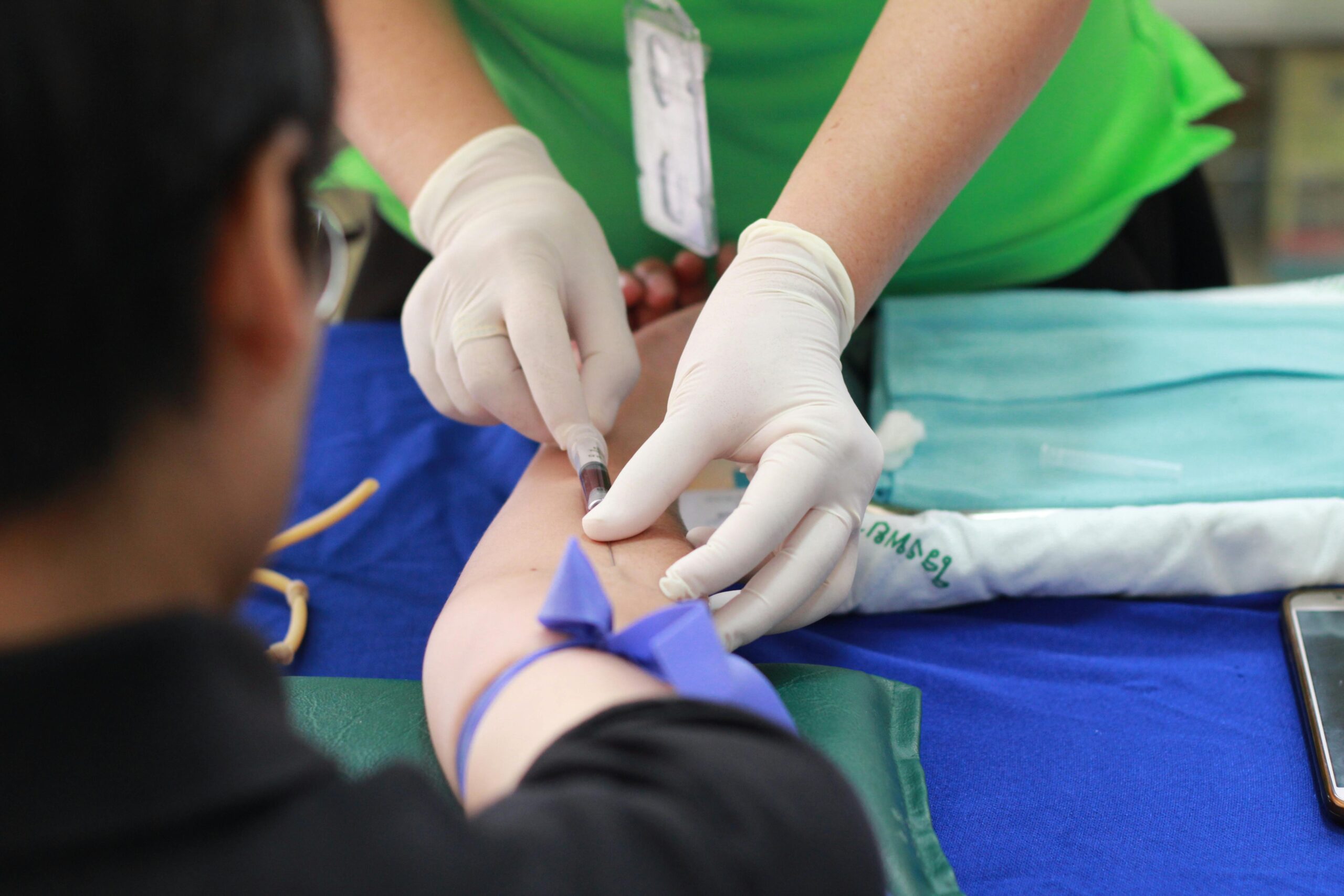
A groundbreaking new blood test could change the way doctors diagnose coeliac disease. Unlike current methods, it doesn’t require patients to eat gluten for weeks beforehand. Offering a simpler, less invasive path to diagnosis.
What Is Celiac Disease?
“Coeliac disease is an autoimmune condition and the most common autoimmune disease in Australia,” said Olivia Mascatelli, lead researcher at the Walter and Eliza Hall Institute of Medical Research. “It affects about 1 in 70 people, that’s nearly 400,000 Australians.”
But here’s the problem: Only 20% of those with coeliac disease know they have it.
Symptoms Can Be Misleading
Coeliac disease triggers an immune response to gluten, a protein found in wheat, rye, and barley.
While many associate it with gut symptoms like bloating, diarrhea, or constipation, Olivia said it goes far deeper.
“There are systemic symptoms too. I was diagnosed after years of iron deficiency,” she shared. “The damage in my gut stopped me from absorbing nutrients like iron.”
This broad range of symptoms makes coeliac disease hard to identify without proper testing.
The Problem with Current Testing
Currently, diagnosis begins with a blood test that looks for specific antibodies. If that’s positive, the patient needs a gastroscopy which is a procedure that involves sending a camera down the throat to check the small intestine for damage.
But here’s the catch.
“For both tests to be accurate, you have to eat gluten for 6–8 weeks,” Olivia explained. “That means eating the very thing that’s making you sick.”
It’s a major hurdle for people who’ve already gone gluten-free and feel unwell when they reintroduce it.
A New, Gentler Way to Test
Olivia and her team have been working on a blood test that skips the gluten reintroduction altogether.
“In our clinical trial, we discovered a marker called interleukin-2 (IL-2),” she said. “It spikes dramatically when people with coeliac disease are exposed to gluten.”
Instead of making patients eat gluten, researchers mix a small blood sample with gluten in a lab.
“It’s like a gluten challenge in a test tube,” Olivia said. “We let it sit for 24 hours and measure IL-2. A high response confirms celiac disease.”
How Accurate Is It?
“We tested it on over 180 people and found it had over 90% sensitivity and specificity,” said Olivia. “That’s comparable to existing diagnostic tools without needing a gastroscopy.”
The test even adapts to symptom severity. “The more symptomatic someone is, the higher their IL-2 response,” she added.
Early studies in adults are promising, and trials in children are now underway.
What Happens Next?
This test isn’t available yet but it’s on the fast track.
“We’re working with an Australian company to bring it into clinical practice within two years,” Olivia explained. “It’s easy to run in any pathology lab, so rollout should be smooth.”
The next steps include further validation around the world and within different age groups.
A Step Toward Better Understanding
Beyond simplifying diagnosis, this research helps shift the perception of coeliac disease.
“It’s not just a gut disease. It’s systemic and immune-driven,” said Olivia. “This test helps people understand that.”
And the possibilities don’t end with celiac.
Future Applications in Autoimmune Research
This same test method could help diagnose other autoimmune diseases.
“The concept is simple: take a blood sample, mix it with the suspected trigger, and measure the immune response,” Olivia explained.
For example, it could one day help diagnose conditions like type 1 diabetes or viral-related immune issues.
Final Thoughts
Although the test isn’t available to patients just yet, Olivia encourages people to stay informed.
“If you’ve had symptoms or concerns about celiac disease, talk to your GP,” she said. “And if you’re interested in participating in research, visit the Walter and Eliza Hall Institute’s website and look for the coeliac lab.”
This new test could soon change lives not just by making diagnosis easier, but by opening doors to better treatment and awareness.
Listen to Olivia’s full conversation with Doug on Table Talk.