

Media dietician, Jemma O’Hanlon joined Doug on Mornings to talk about the performance drink many athletes are turning to… and it may just be in your fridge.
Jemma began by noting all the different electrolyte supplements out there.
“There’s the typical Gatorades and Powerades that have been around for years and years.”
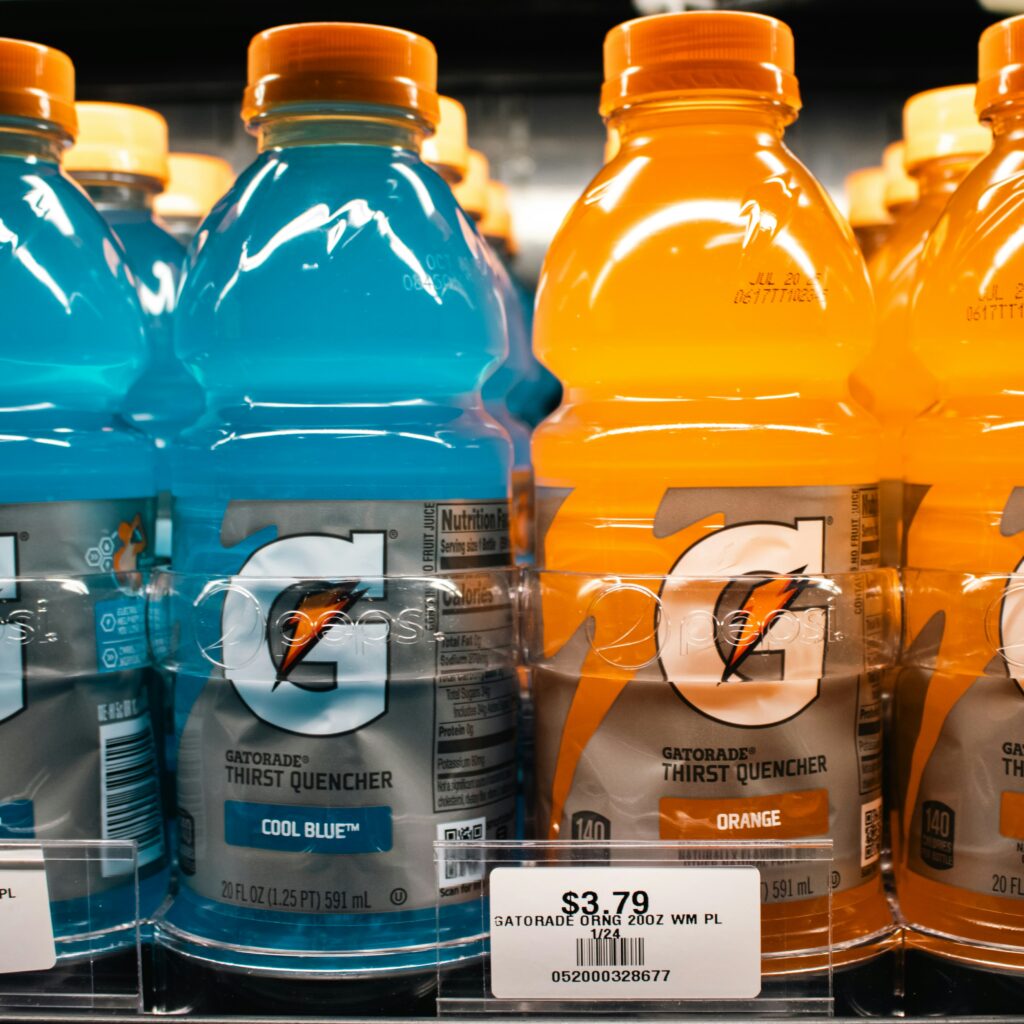
The Origin of Sports Drinks
“Originally, these drinks were developed for athletes and I think that’s the key thing. They’re for people who are doing exercise over an hour, endurance activity.”
Those who are planning to run for a marathon, and spending time in extreme heat would typically benefit from sports drink consumption as well.
Jemma said there has been an interesting shift over time.
“They’ve moved into the supermarkets, petrol stations and cafes even.”
She outlined why this is unnecessary for most people.

“Most people don’t need sports drinks, particularly if they’re doing exercise under an hour, which most of us do. They’re really just designed for athletes.”
Simply Milk
There are other drinks far healthier for people, such as milk, according to Jemma.
“A lot of us have milk in our fridge at home. It’s very nutritious. You know, it’s been linked with supporting growth and development for kids.”
Jemma continued with additional benefits, such as, reducing the risk of chronic disease, heart disease and obesity.
“I am a big fan of milk, just because it’s got so many nutrients, health benefits and of course it also has that protein in there and natural electrolytes which actually support recovery post exercise.”
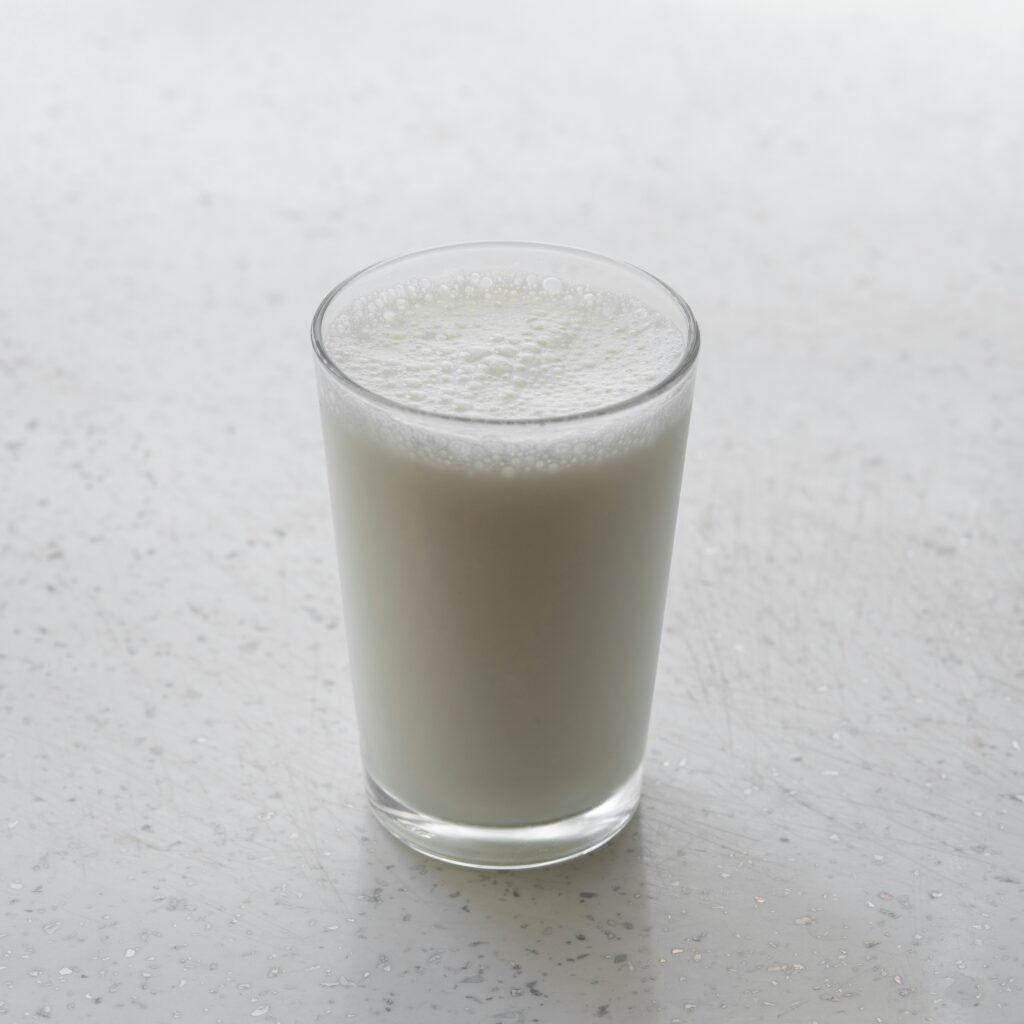
The Move From Milk
Jemma said that the main reasons we, as a society moved away from milk and onto sports drinks, is largely due to unhealthy advertising.
“We don’t see a lot of advertising for our beautiful whole foods. I think some people might be also a little bit scared of sugar.”
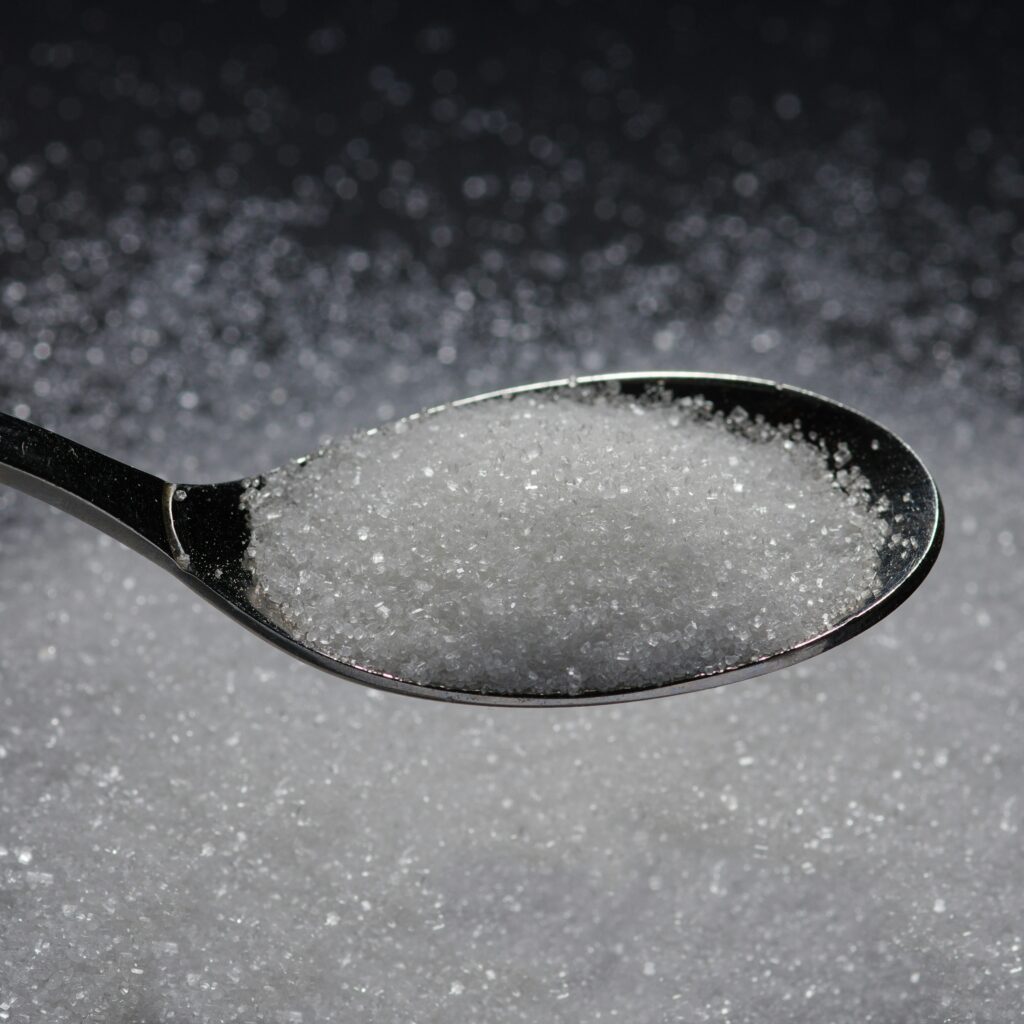
Scared of Sugar
She described the amount of sugar, put in a lot of flavoured milks, can have up to three teaspoons of added sugar per serve.
“This is not a huge amount but people are scared of the added sugar.”
People will also opt to have their sugar intake in a glass of orange juice, which does have natural sugar.
“Or even worse a can of soft drink instead which is far worse than something like milk, that has so many nutrients in there.”

Digestive Issues
One in six Australians are actually cutting out milk and dairy foods because they’re finding they may experience digestive symptoms like bloating, cramps and wind.
“So, they’re actually just cutting out dairy altogether and they might be going to plant-based alternatives.”
Jemma said, she would recommend people see a dietician before making a switch to plant-based milk.
“It’s always good to see an accredited practicing dietitian, to help understand those symptoms a bit more. Perhaps, choose an A1 protein-free milk or even with or without lactose, which may actually help to digest that milk far more easily than your standard milk.”
The Common Struggle
Jemma said that a disagreement with milk is very common. It is linked to gut health, and often lactose intolerance.
“That sort of a medical condition needs consultation from a doctor for the correct diagnosis.”
“It can also be related to protein sensitivity,” she continued. “Some people can tolerate small amounts of lactose, or cheese a lot better than milk. But sometimes, just a switch in the type of protein that you have can actually make a big difference to your digestive symptoms.”

See a GP
Jemma suggested those struggling with digestive symptoms go see a GP, as well as a dietician to receive tests and further information on lactose intolerance. She said the protein in milk is due to different herds and farmers.
“It could be as simple as switching from your standard milk to an A2 milk or A1 protein free milk. There’s certain farmers out there that actually have just A2 herds that are specially selected and bred that way. And there is some scientific evidence that the A1 protein can actually cause those digestive symptoms for some people.”
She said it is worth trialling and may cause trial and error in terms of what people can tolerate.
“I think it is good that you are still having those other of calcium like cheese and small amounts of yoghurt and things of that nature, because calcium is so important for our bone health as we age and all those other vital nutrients that are found in those dairy foods as well.”
Good Sugar
Jemma said that sugars are really important for athletes and anyone doing endurance exercise. In a sports drink there is an additional 9-10 teaspoons per serve.
“So it actually is important to have that little bit of added sugar for athletes because it’s going to help replenish their glycogen stores which are the stores in the muscles that our body has for energy.”

“If you’re an athlete, training hard, you need some stores of carbohydrates to fuel your body.”
She said athletes will not perform as well if they run out of those stores.
Protein is also important because it provides important recovery fuel post-exercise to restore muscles to their best quality.
“So again, it’s really important for athletes and the natural electrolytes in milk like sodium, potassium, calcium, magnesium to help with hydration.”

She reiterated that these factors are found naturally in milk and work beautifully together. There is additional research also coming out that links chocolate milk with improved endurance.
“Most adults need at least 2 1/2, up to 4 serves of dairy every day, which a serve being a cup of milk. So we do need these foods in our diet,” said Jemma.
Check out the full chat with Jemma O’Hanlon below.