
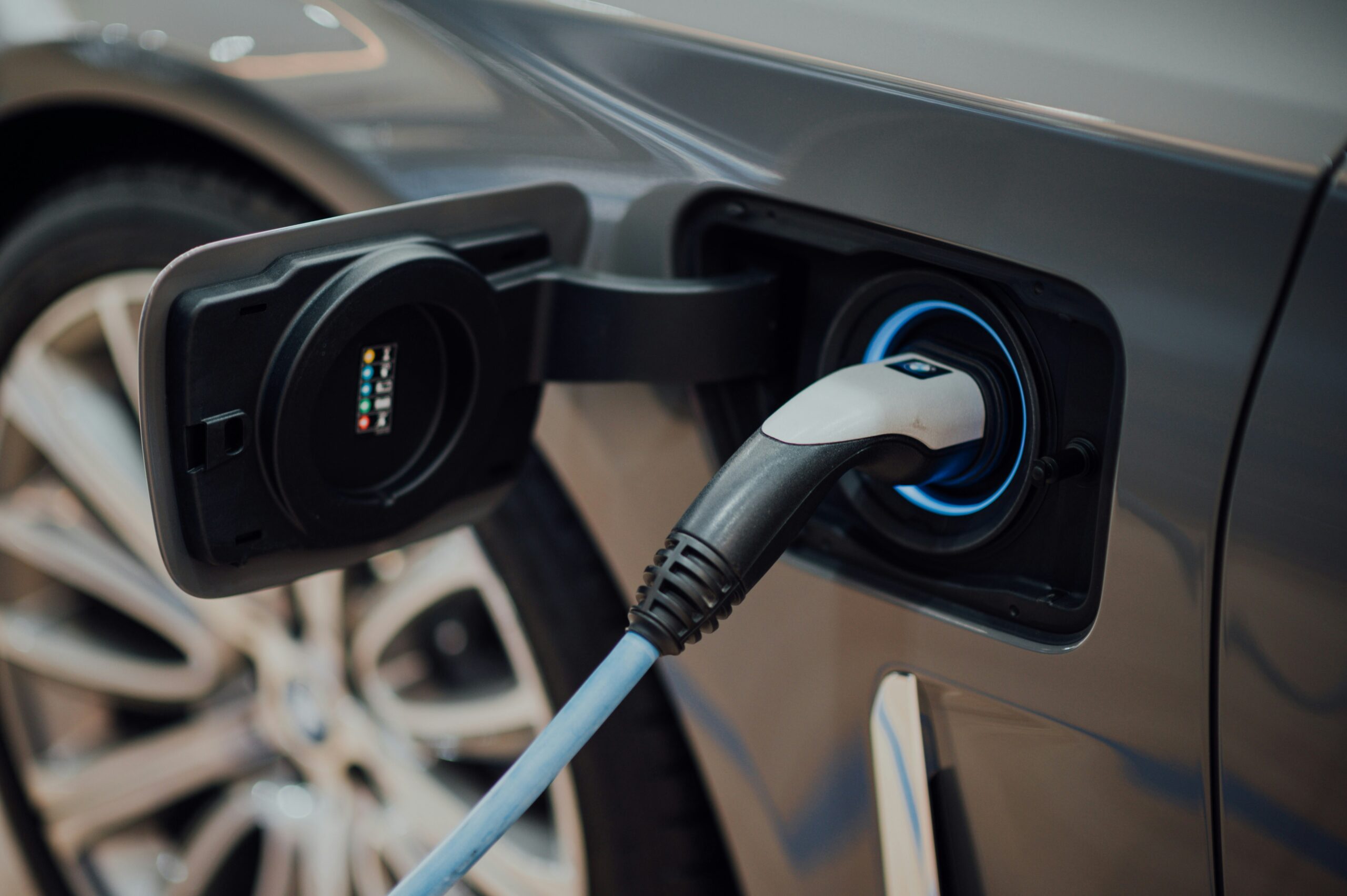
Doug was joined by Jason Featherby from Leeuwin Wealth to talk fuel prices and the increasing appeal of Electric Vehicles.
Strait of Hormuz
Jason said that due to the ongoing conflict in the Middle East, fuel prices are more up than down.
“When the war erupts, we tend to run for the hills a little bit with markets. The government’s saying there’s no issue with supply, but then hold crisis meetings. And so that is the definition of a mixed message.”

Jason briefly explained the Strait of Hormuz.
“Boats are struggling to get through, which means that the tankers can’t get and deliver Oil where it needs to go, which means we can’t turn the oil into fuel, which means or diesel, which means we don’t have enough.
Flow on Effects
Jason said that fuel stations are running out which means that the fuel shock will have flow on effects.
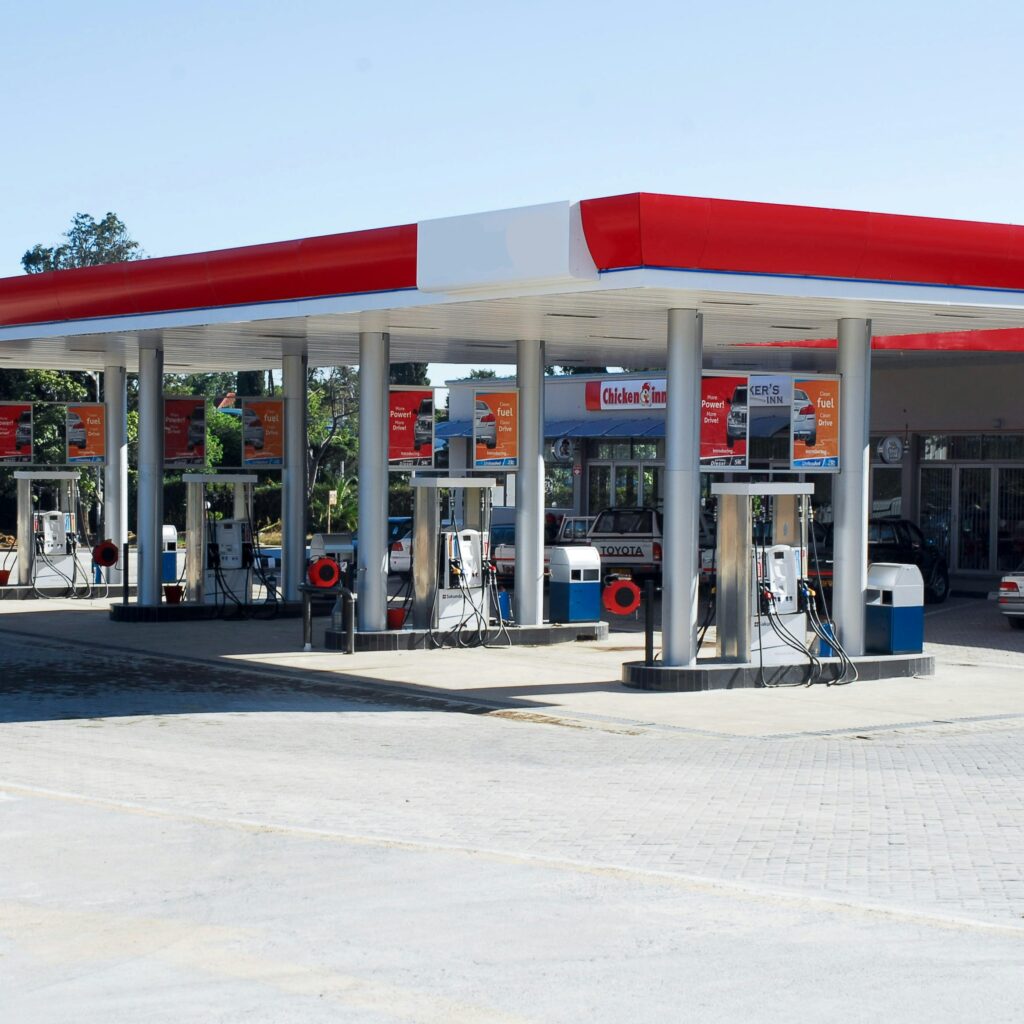
“We’re talking about short-term disruptions on fuel prices. And short-term can drag into longer term if we don’t get some sort of solution. And then ultimately, higher fuel costs, especially in Australia, because we transport everything.”
He said this will flow into groceries, transport on a general level, which will then flow into inflation. From here, it has potential to affect interest rates and mortgage repayments.

EV Benefits
Jason said the costs of getting an EV are positive overall.
“I did get an in-home charger installed,” said Jason.
“The tax benefits are extraordinarily good if you purchase an EV under the government scheme and keep it under the luxury car tax limit, which is a bit technical.”
Jason mentioned that second-hand market for EV’s is now increasing.
Triple the Need
Google Trends says searches for electric vehicles in March were almost three times higher than that in February.
“Car sales reports that EV searches have nearly tripled between February and March this year. Nearly an 80% jump in the first week of March alone.”
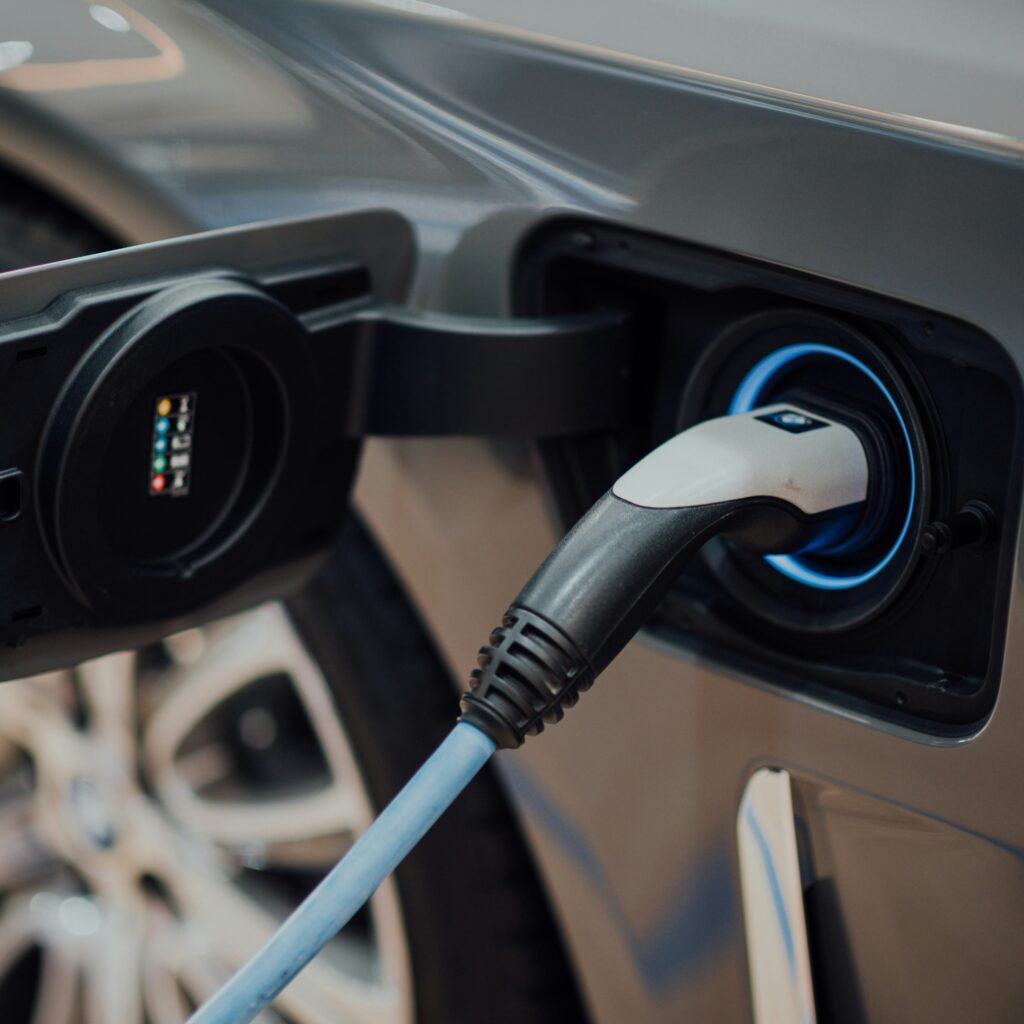
“BYD searches rose from 7,600 to nearly 17,000. just in that month alone. And EVs added to watch lists up 100%. So that means people, if you’re adding it to watch lists, you’re probably more than just curious about them,” added Jason.
Jason calculated that if someone with an Electric Vehicle has an at-home charging station and solar power on top of that, it could cost as low as $10 a week.
Tradie Surcharge
It is reaching the point where tradesmen are adding a surcharge to their invoices for fuel costs, as it isn’t an option for them to work from home.
“No argument from us because they’ve got to earn a living and margins aren’t huge.”
Jason said adjusting behaviours, will soften the 5% increase during inflation.

Rise in Public Transport
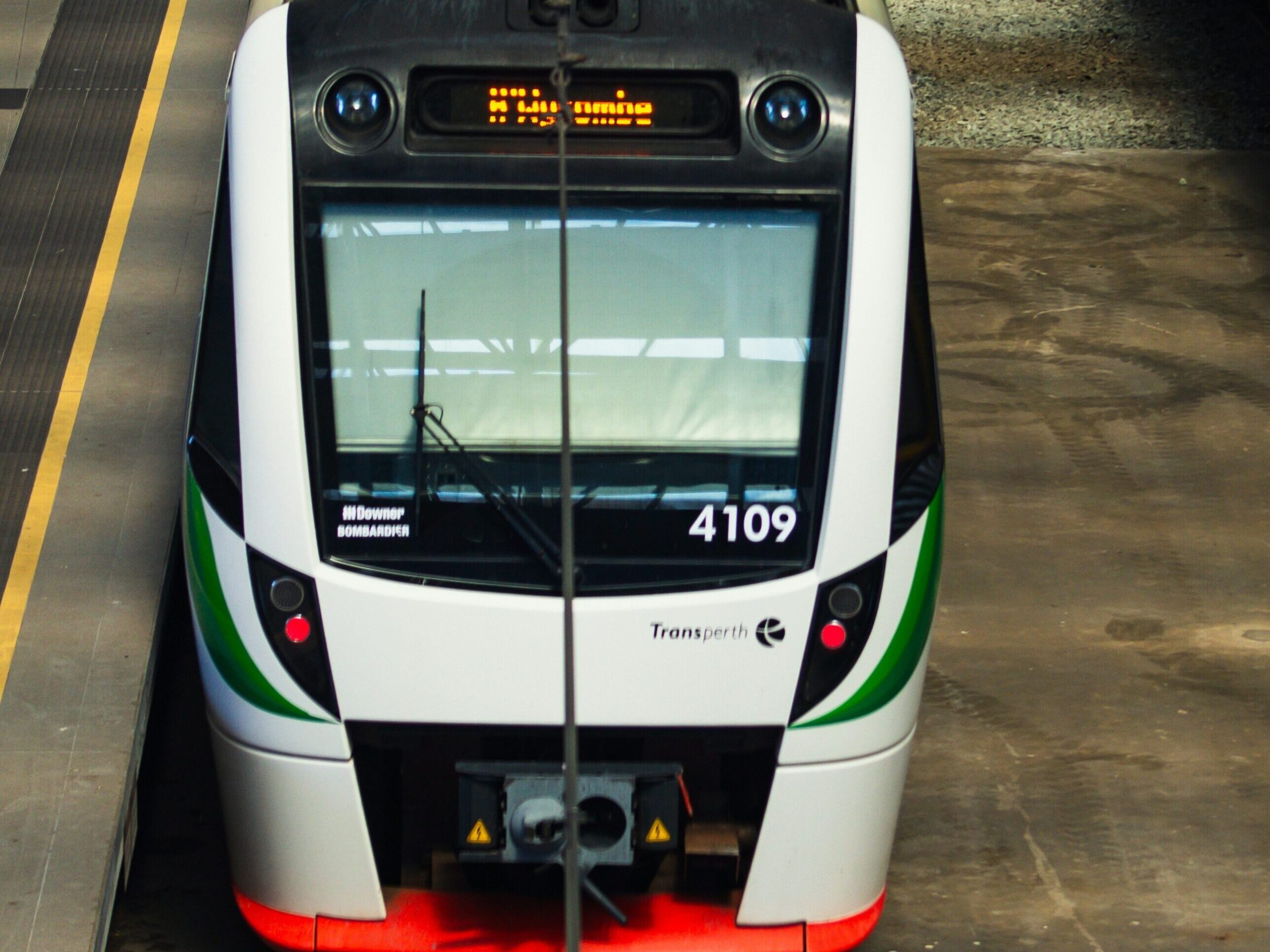
People are turning to public transport in the midst of fuel shock. Jason believed this is something that many people could utilise more.
“Public transport is also available and we’re not good at that either, but maybe we get used to that, like people in Sydney do or Melbourne, they use public transport all the time.”
“Over time, we’ve adjusted behaviours over certain things. So global crisis, that was a debt-driven crisis. And after that, we were a little bit more cautious about how much we borrowed, what sort of gearing levels we had. And then in COVID, we had, you were forced to work from home. And then now people love working from home. And so things like this do cause us to change our behaviour. So maybe Perth will finally embrace public transport like we haven’t done in the past and we’ll change our behaviour.”
Considering an EV?
Jason said it is important to shop around but the second-hand market is as good as it’s ever been.
“If you buy a two-year-old one, you’ve still got eight years warranty on your battery.
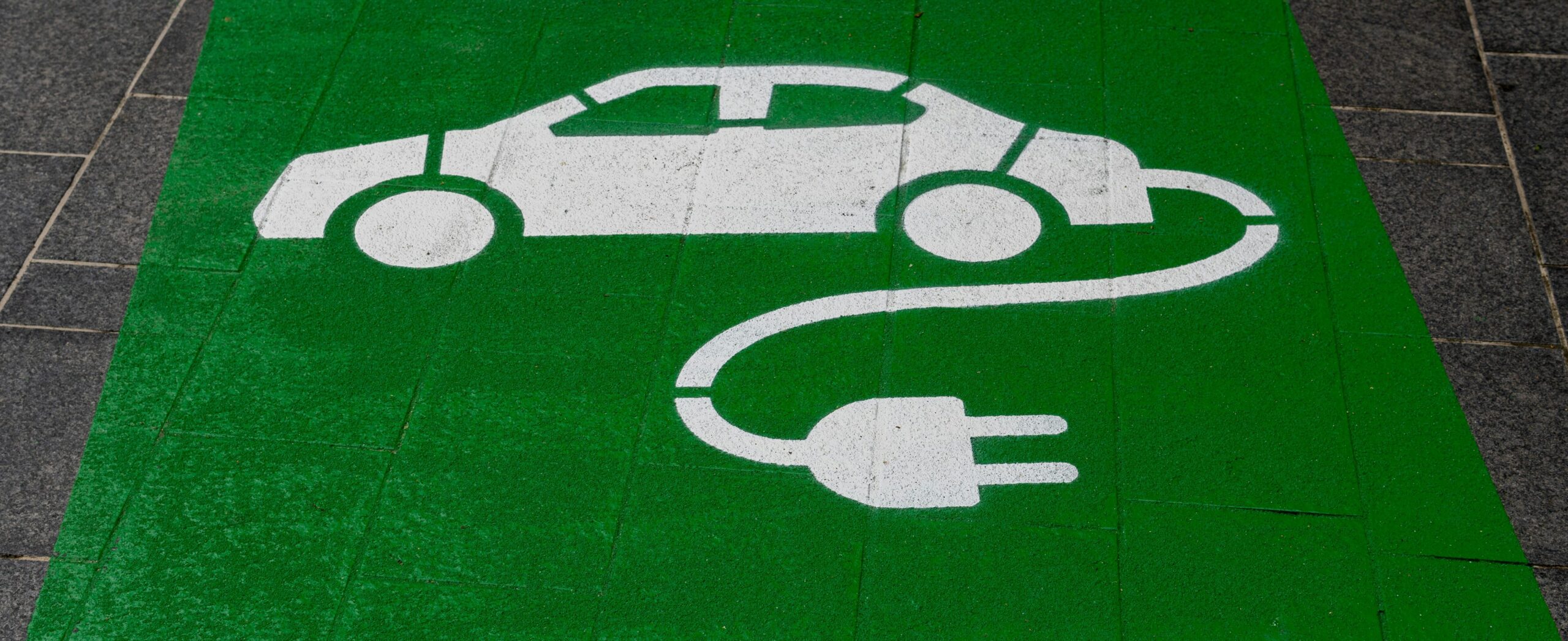
In terms of saving money, Jason said aside from the EV route, public transport, work from home and carpooling are the best options for saving money. People should also be encouraged to walk and bike where possible.
Check out the full chat with Jason Featherby below.