
When visitors come knocking, many dogs either bark excitedly, hide in fear, or jump all over your guests. Orlando Dos Santos from Results Dog Training joined Doug to break down why dogs behave this way and how we can help them feel safe, seen, and understood.
Not All Dogs Love Visitors
“Some dogs struggle with unfamiliar people simply because they’re unsure,” Orlando said. “It could be fear, past experiences, genetics, or a lack of socialisation.”
Just like people, dogs come with their own personalities. Some are extroverts, loving every new face. Others are more reserved, preferring peace and familiarity.
Why Breed Doesn’t Tell the Whole Story
While small fluffy dogs may get labelled as “yappy” and big dogs as “friendly,” Orlando warns against stereotyping.
“Even within a litter, dogs will vary,” he said. “Some of the softest breeds can be the most reactive, and vice versa.”
The key? Observe the dog in front of you, not the breed, not the stereotype.
The Three Types of People Your Dog Might Meet
Orlando recommends thinking in categories:
- People your dog needs to know – close family or regular visitors.
- People your dog doesn’t need to know – the postie or plumber.
- People in public – strangers who want to pat your dog during walks.
“Just like with a child, not everyone needs access to your dog,” he explained.
The Social Bubble Rule
Just as humans have personal space, so do dogs.
“There’s intimate space for cuddles, personal space for greetings, social space like a handshake, and public space,” Orlando said. “We often skip straight to intimate space and overwhelm the dog.”
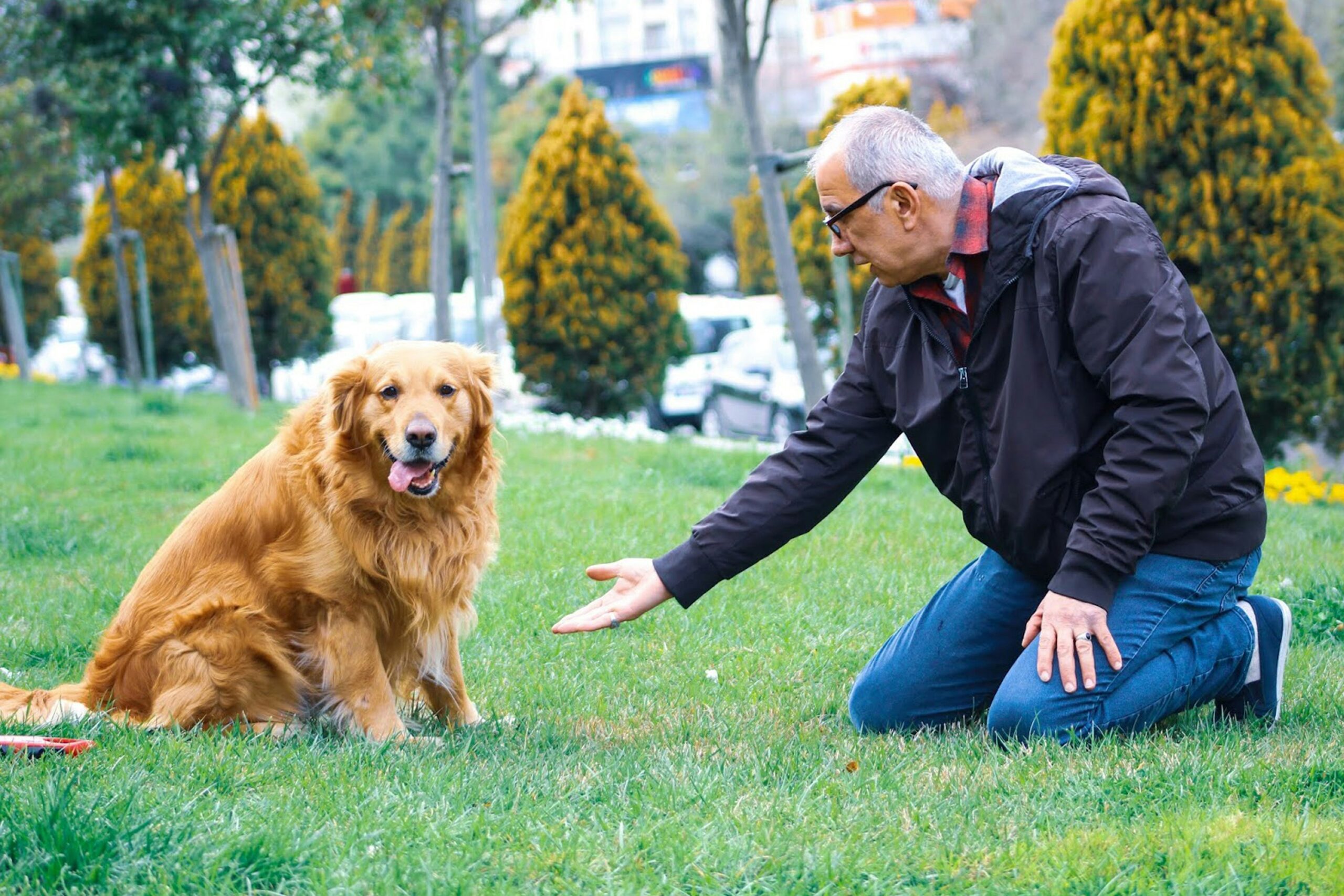
Instead, let your dog decide. “Let the dog approach. Don’t reach out.”
No, Your Dog Doesn’t Need to Be Petted
Contrary to popular belief, most dogs don’t want to be touched by strangers, especially not on the head.
“That’s behind their eyes. They can’t see what’s coming,” said Orlando. “If you must pet, go under the chin so they can see your hand.”
And never hold out your hand for a sniff, dogs already pick up your scent long before that.
Tail Wags Can Be Misleading
A wagging tail doesn’t always mean a happy dog.
“A stiff tail held high can actually signal aggression,” Orlando explained. “Tail position and body softness are key.”
Even the direction matters. “Wagging to the right means happy. To the left, it’s more uncertain.”
Teach Kids the Right Way to Pat
Children should always ask, “Can I pat your dog?”
If the answer is yes, Orlando advises, “Palm up, under the chin, just a couple of seconds, then walk away.”
And never leave kids and dogs unsupervised. “Even the gentlest dog can reach a threshold.”
Pro Tips for Managing Visitors
Orlando recommends these quick tips to reduce stress for everyone:
- Manage space – Avoid tight hallways or corners where a dog can feel trapped.
- Let dogs approach – Don’t force interaction.
- Use treats carefully – Toss them on the floor rather than feeding them by hand.
- Respect their signals – If a dog moves away, don’t follow.
Advocate for Your Dog
Orlando encourages pet owners to see themselves as their dog’s voice.
“We need to give them choice and control. Let them say, ‘I’m uncomfortable here.’ Because they don’t have any other way.”
Space = Safety
It’s simple. “Space, space, space,” Orlando emphasised. “Lovingly control the environment. Let the dog come to you.”
Because when we learn to respect our dogs’ boundaries, we create a safer, happier home for everyone.
Listen to the full conversation below.