
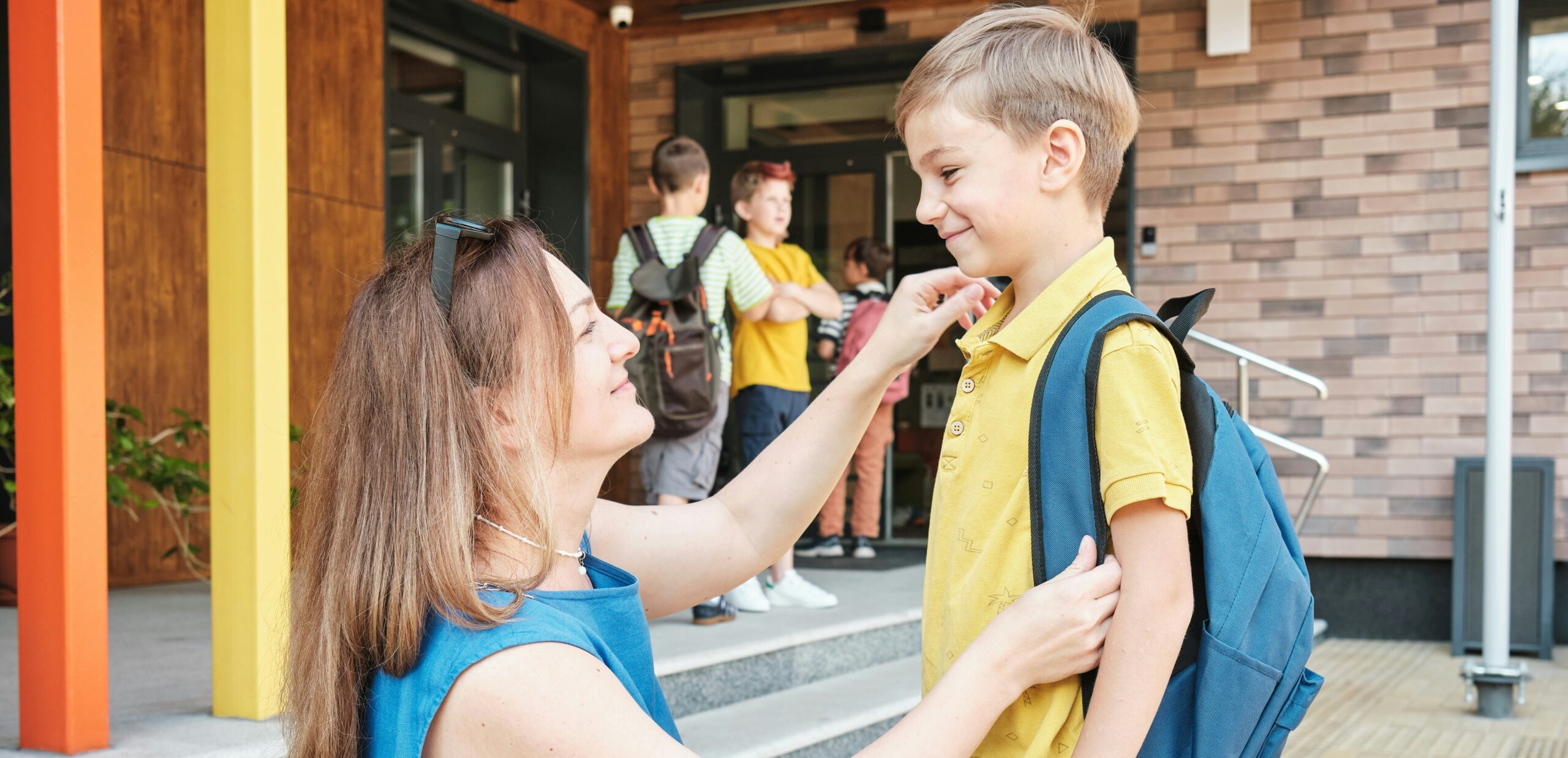
If you’ve ever asked your child, “How was your day?” and received a one-word answer in return, you’re not alone. Many parents find that after school conversations can feel frustratingly short – especially at the start of a new school year. This week on Mornings with Doug, Brett Ryan from Focus on the Family shared some helpful insights into why kids often clam up after school – and what parents can do to create more meaningful conversations.
Why kids don’t always want to talk straight away
Brett reminded parents to see things from a child’s perspective. After a full day of learning, socialising and self-control, many kids are simply tired, hungry, or have “used up all their words”. “You’ve got to remember,” Brett said, “they might just need a bit of downtime or space before they’re ready to talk.”
Younger children are also naturally more forward-focused than reflective – thinking about snacks, playtime, sport or what’s coming next, rather than revisiting the day that’s just been.
Pick the right moment
Instead of launching into questions the moment your child gets in the car, Brett encouraged parents to pick their moments. A snack, some downtime, or waiting until dinner can make a big difference. Dinner time, in particular, can be a powerful opportunity – especially when parents go first.
“Share your own highlights, lowlights, funny moments or challenges from the day,” Brett explained. “It role models how to talk about life, and invites kids to do the same.”
Model the behaviour you want to see
Kids may not always listen to what we say – but they’re constantly watching how we behave. “How we deal with stress, how we communicate, how we handle challenges – all of that teaches our kids,” Brett said. “Our actions speak louder than our words.”
Being calm, interested and present creates a safe environment for kids to open up in their own time.
Watch for changes
Sometimes silence is just part of growing up – especially during adolescence, when kids naturally seek independence. But Brett encouraged parents to stay attentive. If your child becomes unusually withdrawn or their behaviour shifts significantly, it may be worth gently checking in, or seeking insight from trusted adults like teachers, chaplains or counsellors.
The key, Brett said, is to remain a “student of your child” – noticing changes while continuing to nurture the relationship.
Ask better questions
Broad questions like “How was your day?” often shut conversations down. Instead, try more specific, open-ended prompts such as:
- What was something hard or surprising today?
- Did anything funny happen?
- Who did you spend time with at lunch?
- Is there anything I need to read or know about from school?
These questions invite stories rather than one-word answers, and let kids share at their own pace.
Try “parenting by stealth”
One of Brett’s favourite strategies is what he calls “parenting by stealth” – being nearby without interrogating. Sometimes the best conversations happen while driving, walking, or doing an activity side-by-side, rather than face-to-face.
“You’re doing life together,” Brett said. “And they open up of their own free will.”
Don’t underestimate one-on-one time
Finally, Brett shared a powerful tip: go on dates with your kids.
One-on-one time, even simple, low-cost activities, helps children feel seen and valued. It strengthens connection, reduces sibling rivalry, and creates natural space for conversation.
“Those moments really stick with kids,” Brett said. “And they remember them for life.”
Parenting conversations don’t have to be forced. With patience, presence and a genuine interest in your child’s world, those one-word answers can slowly grow into deeper, more meaningful connection.
Check out the full chat with Brett below.