
Every parent wants motivated kids. But forcing, bribing or nagging rarely works for long. According to, Natalie Nicholls, Founder of PLECS Learning, motivation isn’t about pressure, it’s about how the brain develops and what children need at each age.
“So many parents ask why their child won’t practise sport or music,” she says. “But motivation doesn’t come from pushing.”
Instead, it grows from three key ingredients: connection, control and competence.
Connection Comes First
Motivation starts with emotional connection. Children need to feel seen, valued and in sync with their parent. “It starts with our parent attunement,” Natalie explains. “Am I on their wavelength right now?”
If parents become demanding, connection breaks. When connection breaks, motivation disappears. Even in classrooms, teachers must connect before they can teach.
“As adults, our brains have developed. It’s our job to step back and connect first if we want our kids to do anything.”
Give Them Control (Without Losing Structure)
Children are more motivated when they feel they have a say. But that doesn’t mean giving them full freedom. It means offering choices within boundaries.
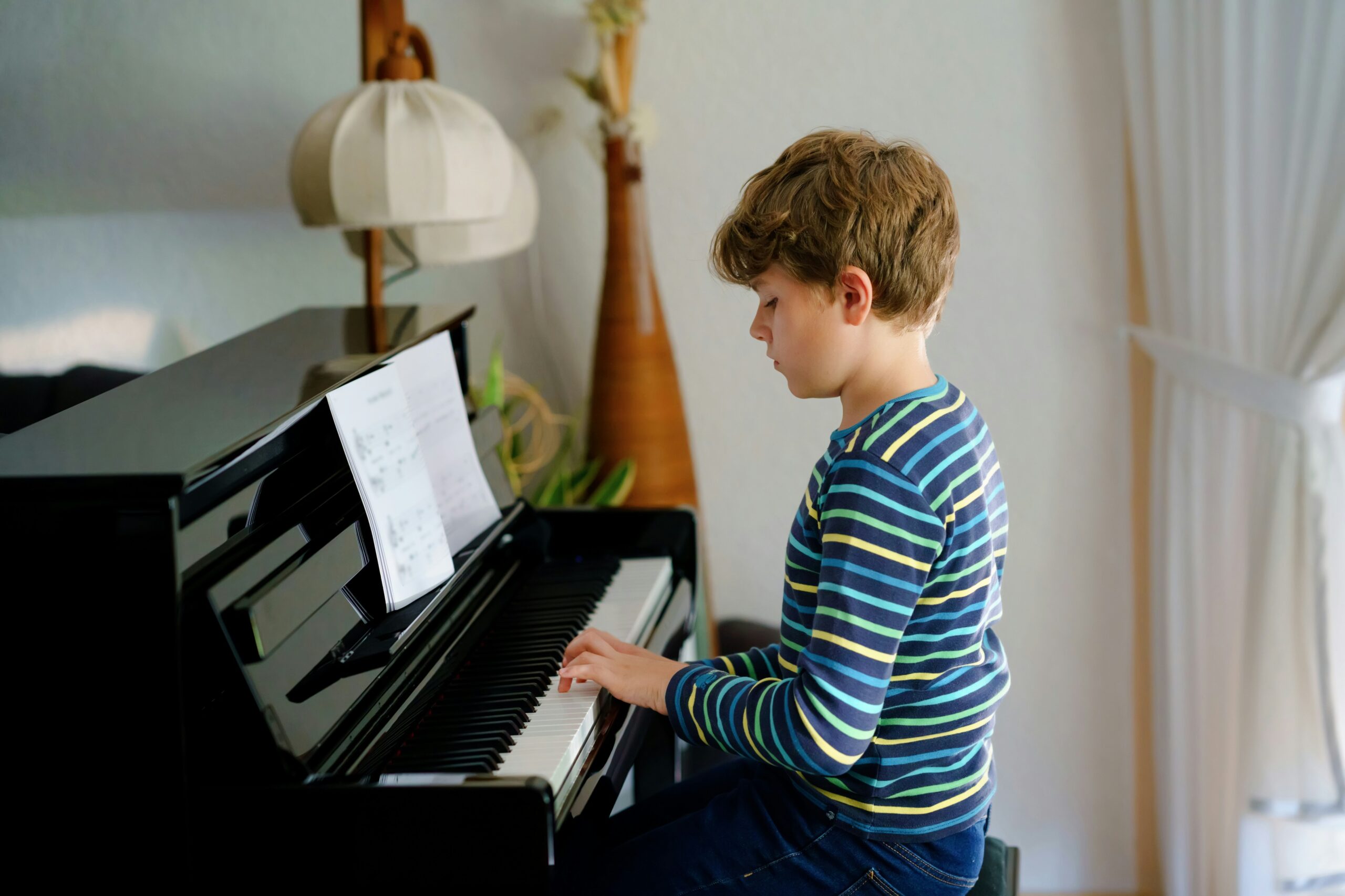
Instead of saying, “Do your piano practice now,” try: “Would you like to practise before dinner or after dinner?”
“You’re still getting the job done,” Natalie says, “but you’re giving the child control. When we take control away, kids either rebel or shut down.”
Pushing, threatening, or bribing shifts their mindset from “I want to” to “I have to,” and “have to” is fear-based. Fear kills motivation.
Let Them Fail—But Coach from the Sidelines
The third ingredient is competence. Children must feel capable. But they only grow capable by trying, failing and trying again, with support.
“We need to allow our kids to fail,” Natalie says. “Not leaving them alone, but being the coach on the sideline.”
Some parents rescue too quickly. Others back off completely. The sweet spot is guiding while letting them take ownership.
Simple tasks build competence: packing their own bag, choosing practice time or ticking off a checklist. Then, use specific praise to reinforce progress. “Once they start to do it, they feel competent. And that builds internal motivation.”
Different Ages, Different Brains
We can’t expect the same motivation from a six-year-old and a teenager. Young children are wired for play. Teens develop identity and self-awareness, which leads to self-driven motivation.
“As they get older, self-determination starts to develop,” says Natalie. “But we must match our expectations to their brain stage.”
The Big Picture
When children feel connected, in control and competent they are far more likely to motivate themselves.
“It takes time,” Natalie says. “We might fail at this as parents. But we pick ourselves up and try again just like we want our kids to.”
And that’s how to build motivation in children not through pressure, but through partnership.
Listen to Natalie’s full conversation with Doug on Table Talk below.