
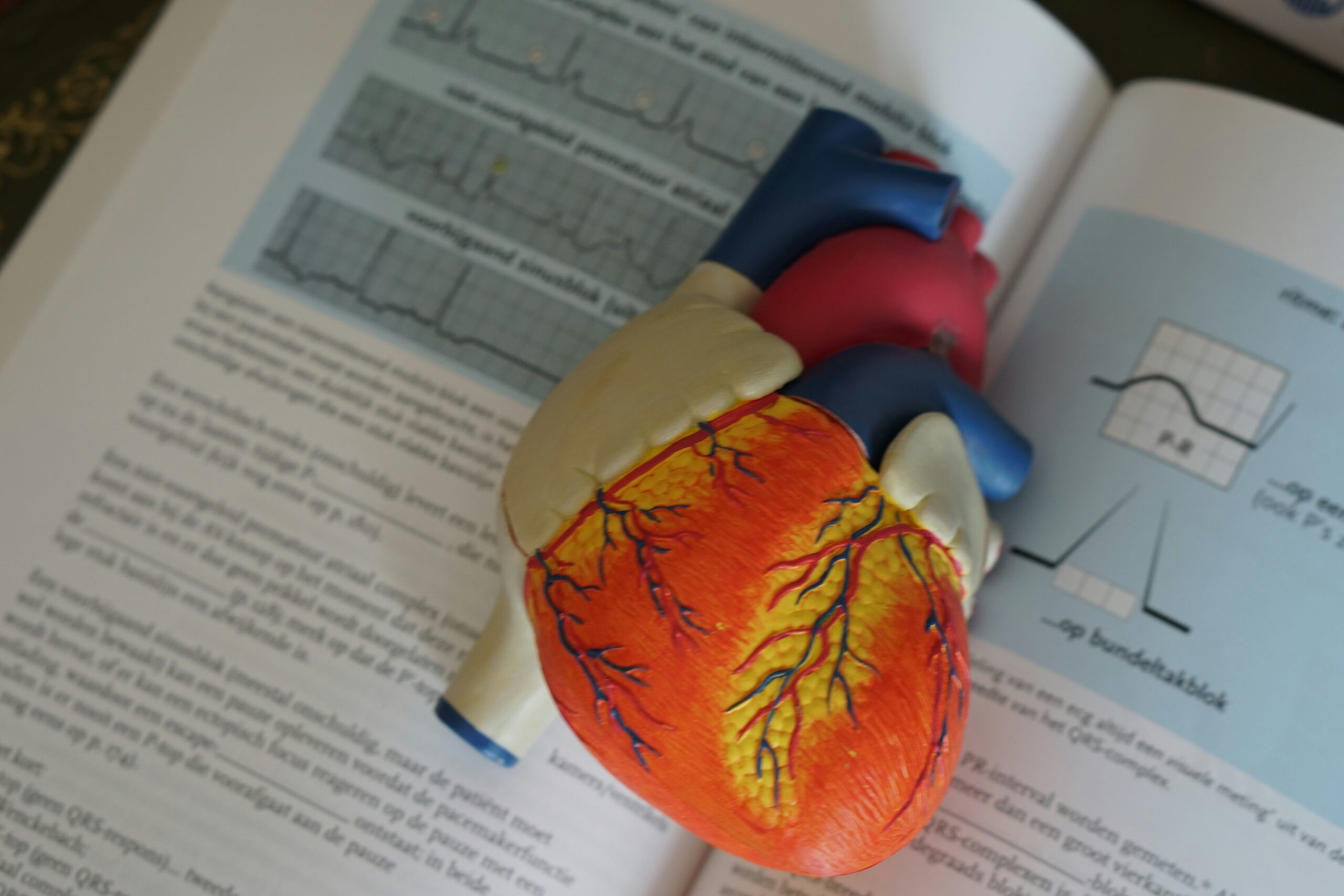
Heart failure isn’t what most people think. Professor David Playford joined Doug on Table Talk to explain, “It doesn’t mean the heart has stopped. It means it’s not working as well as it should.”
Shockingly, over 500,000 Australians live with heart failure. Each year, another 67,000 are diagnosed. “It’s actually really quite common,” says Prof. Playford.
Despite these numbers, heart failure remains under-recognised.
What Is Heart Failure?
Heart failure occurs when the heart can’t pump blood efficiently. This can happen for various reasons, including previous heart attacks, high blood pressure, or other medical conditions.
“The heart isn’t meeting the body’s demands,” says Prof. Playford. “It’s not necessarily a heart attack, though a heart attack can lead to it.”
Breathlessness: A Warning Sign
One major early symptom? Breathlessness.
“If you get out of breath walking up a slight incline or doing everyday tasks, that’s not normal,” he warns. “Don’t assume it’s just age, weight, or asthma. Get it checked.”
Even mild symptoms can indicate a problem. People often slow down gradually, adjusting to their limitations without realising something is wrong.
Who Is Most at Risk?
Several co-morbidities can increase your risk:
- Diabetes
- High blood pressure
- Kidney disease
- A history of heart conditions
Prof. Playford says, “People with more than one of these issues are particularly prone to heart failure.”
Age matters too. “Three-quarters of all heart failure cases occur in people over 65,” he says. “But younger people with risk factors can still be affected.”
How Do You Test for It?
Fortunately, testing is simple and non-invasive.
- BNP blood test – “It shows how well your heart is coping,” says Prof. Playford. The good news? It’s now covered by Medicare.
- Echocardiogram (ultrasound) – “This safe, painless test gives most of the information we need for diagnosis.”
From there, your doctor may run further tests to pinpoint the cause and tailor treatment.
Treatment Offers Real Hope
“This isn’t a death sentence,” says Prof. Playford. “Treatment is very good.”
There are now several effective medications and management plans available. Many patients go on to live long, healthy lives with the right support.
“We’ve seen amazing outcomes when heart failure is diagnosed early and treated properly,” he adds.
Under-Recognised Groups
Some groups are more likely to be missed in diagnosis or treatment:
- Women: Often present with different symptoms and are underrepresented in clinical trials. “Breathlessness is the number one symptom in women,” says Prof. Playford.
- Aboriginal and Torres Strait Islander people: Face higher rates of contributing conditions like diabetes and high blood pressure.
When to Talk to Your Doctor
“If you have risk factors or a family history of heart disease, talk to your GP,” encourages Prof. Playford. Early detection makes all the difference.
You can also learn more at Heart For Heart, an Australian website providing helpful resources and patient guidelines.
Key takeaway? Don’t ignore the signs. Ask your doctor. Heart failure can be treated, but only if it’s caught.