

Every family seems to have that one “cure-all” that was handed down through generations. Which ones actually work? Dr. Stuart from Village Medical Practice joined Doug to uncover medical myths and facts.
Dr. Stuart said there are so many old wives tales out there, it can be fun to speculate what might be the cure, but he came prepared to bust the myths.

Fact or Myth?
“The reality is most of them aren’t true. Most of them don’t work. But people still try them because, look, it doesn’t cost you anything, right?”
“If you’ve got a viral infection, you’re going to get better… usually within a couple of days. But when you’re feeling really rough, you’ll pile into the chicken soup, take a load of garlic then you start to feel better.”
He said, these things gain their merit every time we are unwell, which creates a bias that they aided in the healing process.
“There’s that confirmation bias that we get, potentially we’re doing better because of rather than in spite of.”
Fact – Cod Liver Oil
“There is an element of truth to this,” said Dr. Stuart. “It is pretty good for the joints.”
This is not universally accepted, nor is it a cure, but he said there is reason to believe cod liver oil helps.

Myth – Chicken Soup
“Although chicken soup isn’t going to kill any viruses, warm steam in particular and warm things in your mouth will actually help to loosen mucus and it’ll keep you hydrated. Salt can actually soothe a sore throat and some studies have suggested that it may have some mild anti-inflammatory properties.”
He said it also adds an element of care, there is comfort in soup which makes us feel better.
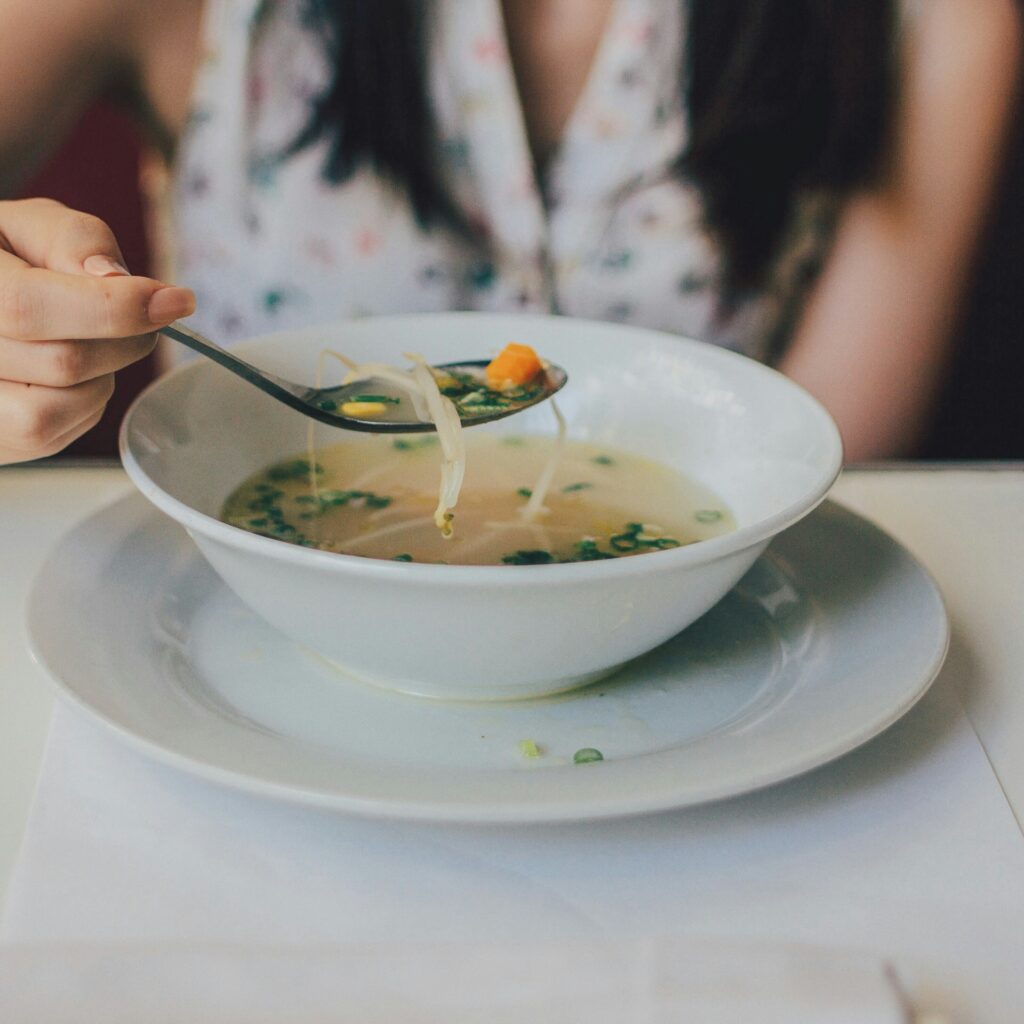
“Grandma wasn’t probably curing the cold, but she was certainly making the journey a lot more comfortable when she made that chicken soup for you, which is arguably where that comes from.”
Myth – Feed a Cold, Starve a Fever
Dr. Stuart said this cliche is absolute nonsense.

“That’s rubbish. Absolute nonsense. I always say to patients, if you’re hungry, eat. If you’re not hungry, don’t eat. You can go three weeks without food, but you can’t go three days without water.”
He said particularly in children, the most important thing is staying hydrated.
“One of the most common causes of a headache is dehydration,” he stressed.
Myth – Wet Hair Outside Causes Colds
According to Dr. Stuart, this is also untrue.
“Totally false. Viruses cause colds, not cold weather itself.”
He said that containing viruses indoors during winter is actually how viruses spread.
“So almost exclusively, no, that’s not true. And certainly not the wet hair. There is a modicum of truth that flows through a lot of these.”

Cold Environments
The truth of this myth is that some viruses thrive better in a colder nose, rather than a warmer nose.
“If you’re outside a lot and it is quite chilly, there is the possibility that viruses can proliferate just that little bit more. But in essence, we think it’s actually because people congregate more together in winter. So people tend to be closer together. Therefore, these things spread much more easily.”
Science vs Solace
As he mentioned before, Dr. Stuart said most of these myths have been perpetuated because of the level of comfort it brings us, along with a sense of agency that we are taking something to help us heal.


“When we’re feeling rubbish, we’ll have a spoonful of honey, or we’ll make sure we rug up and hide under a blanket and rest,” he said.
Actually, what we are doing is keeping ourselves occupied until we get better on our own.
“It just gives you that sense of you’re doing something positive. It’s also the same reason why I think a lot of people perpetuate the myth that they need antibiotics in any scenario.”
Myth – Antibiotics for Every Illness
Dr. Stuart continues to have this conversation with a lot of his patients regarding microbial stewardship.
“In order to try and prevent antibiotic resistance, we have to be very careful in how we give out antibiotics. And it is something we’re getting better at, but still, we do still give out a lot of antibiotics and oftentimes it’s not appropriate.”
He said that due to the level of demand from patients who know their GP well, doctors give out what they call a delayed prescription.

“If we give out a prescription for an antibiotic, but we say, look, I think you’re going to get better in a day or two, so hang on to this prescription so if you feel like you’re getting worse, get it started.”
Unfortunately it is another case of people keeping themselves busy to try and rush the process of healing. Most of the time, antibiotics will give people diarrhea before it does anything to help.
Fact – Honey
“So honey actually does work. It’s one of the very few that’s actually quite good, one of the best evidence-supported home remedies, and it can definitely reduce things like a nighttime cough.”
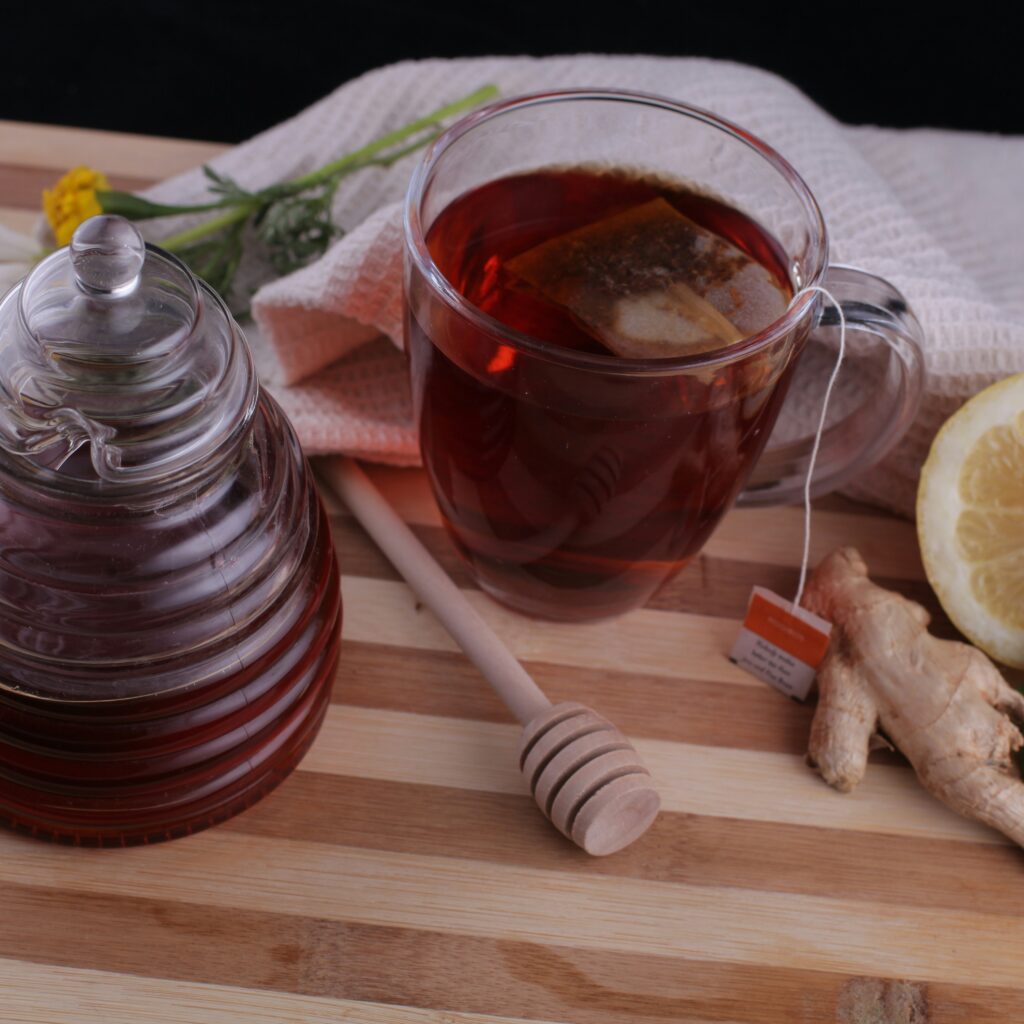
He said a spoonful of honey is ideal for children over the age of 1.
“Don’t give it to kids under 12 months, there’s other reasons for that. But certainly from 12 months onwards, there’s definitely some evidence that it can be helpful in certain situations, particularly coughing.”
Apple Cider Vinegar, Lemon and Garlic
Apple cider and lemon are not proven. Warm water can once again aid with comfort. The greatest benefits of adding honey to any of those things is added sweetness.
Myth – Vapour Rubs
“Definitely not. There’s just zero evidence. It helps with breathing if you rub it on your chest. It makes it feel easier because of the menthol smell.”
He referred to it as excessive and ‘gilding the lily.’
Myth – Dim Light for Eyesight
“It can actually cause eye strain, which can make it very slightly annoying, but it’s only a temporary discomfort,” he said.
He added that it doesn’t permanently damage anything.
“You have different receptors in your eyes, the rods and the cones, for different lights and levels. Your eyes are actually pretty good at handling that.”

Bee Stings
“Yeah, I don’t know what you’re rubbing on your bee stings, but just stay away from the bees. The bees are good for making the honey, not so much with the stings. So stay away from bees. Leave them alone, let them do the thing. They’ll create honey. You can then take that if you’ve got a cough, but it’s not going to help for much else.”
Keep The Caring
As his sign off, Dr. Stuart said it is most important to keep caring about yourself.
“When you’re sick, you rest, you stay hydrated, eat simple, nourishing foods like chicken soup, that’s completely fine. Let people look after you and give your body time to recover.”
He added that grandma’s greatest medicine probably wasn’t what was in the cupboard, but that she slowed you down and tucked you in.

“It’s unusual in this day and age,” he said, “We don’t slow down enough. What really helps is resting, hydrating and eating something nourishing. Allow your body to use as much energy as it can to get you back to fully functioning.”
Check out the full chat with Doug and Dr. Stuart below.