
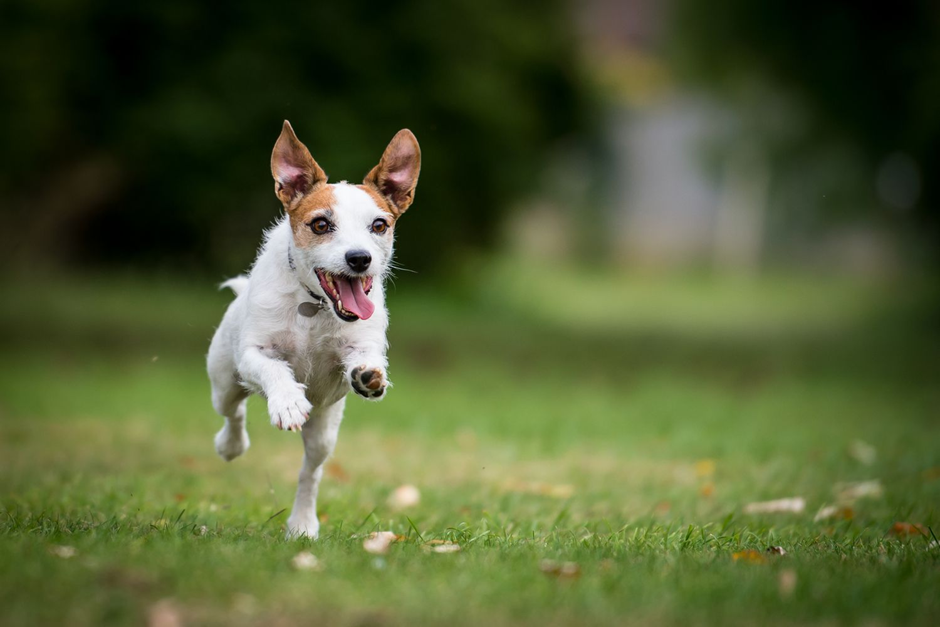
Recall. All dog owners struggle with it at one point. When you let your dog off the lead and you are about to head home, but they don’t come when you call… and you end up chasing them around the park. So, what is it that causes such a bad connection between owner and pet? Is it us or them? Orlando Dos Santos, from Results Dog Training, tells us all about how to overcome this common issue.
As he puts it, dogs are installed with “ancient software running on old hardware”. They have to chase; they have to smell and follow their nose! And when they do, it gives them an adrenaline spike. The bigger the smell or the distraction, the less likely your dog is to respond. But there is hope, with the right number of treats, rewards and fun, you can get good recall on any dog.
What mistakes are we making?
Just remember the three S’s
Shouting – it’s like shouting at a kid, the more you shout, the more they think they’re trouble. It is the exact same with dogs, the more you shout, the more they think they are in trouble.
Standing Still – Dogs are very good at reading body language, shouting and arching over them gives the idea that they are in trouble, so they won’ t come back.
Scolding – When your dog does come back, scolding at them just makes the situation worse, because there is no point in coming back if you are just going to get yelled at more.
How do you get proper recall?
It’s simple, the opposite of the three S’s.
Breaking Away – When you call out in a happy voice, your dog is more likely to look up and break away from the distraction.
Anchor – there is two parts to this step. 1 is movement, moving in the opposite direction to the dog is vital. Then, we provide a verbal sound too, like ‘bup-bup-bup-bup-bup’. This creates a visual and verbal cue for the dog to come towards you. It is important to remember that the dog doesn’t come to you for the treat, but because of the anchor.
Treat – Finally, once they come to you, they get a reward. We have to offer something better than the distraction and more than the distance. It is essential in this part to know the motivator for our dog, whether it be treats or tug of war. The longer the distance, the better the reward must be. It’s all about value, is the cost of all these distractions worth the value of what you are rewarding the dog with.
Remember, if you do any of the three S’s during this process, then it could put your effort to waste.
Does age matter?
Yes, it does. You can start recall at any age, even the day you get them, but when your dog reaches 6-8 months, their brain reaches a stage where it goes “under construction” in Orlando’s words.
They might forget all of their past training due to the brain rewiring itself. But there is still hope! If you practice your recall with the smaller things, like when they are just across the kitchen, and reward them for when they look up, say ‘Yes’ then give them a treat. As time goes on, you can increase the distance until finally, you have recall on your dog.
So, the next time you are struggling at the park, remember these steps to help you get back home on time.
Listen to Orlando’s full conversation with Tim on Table Talk below.