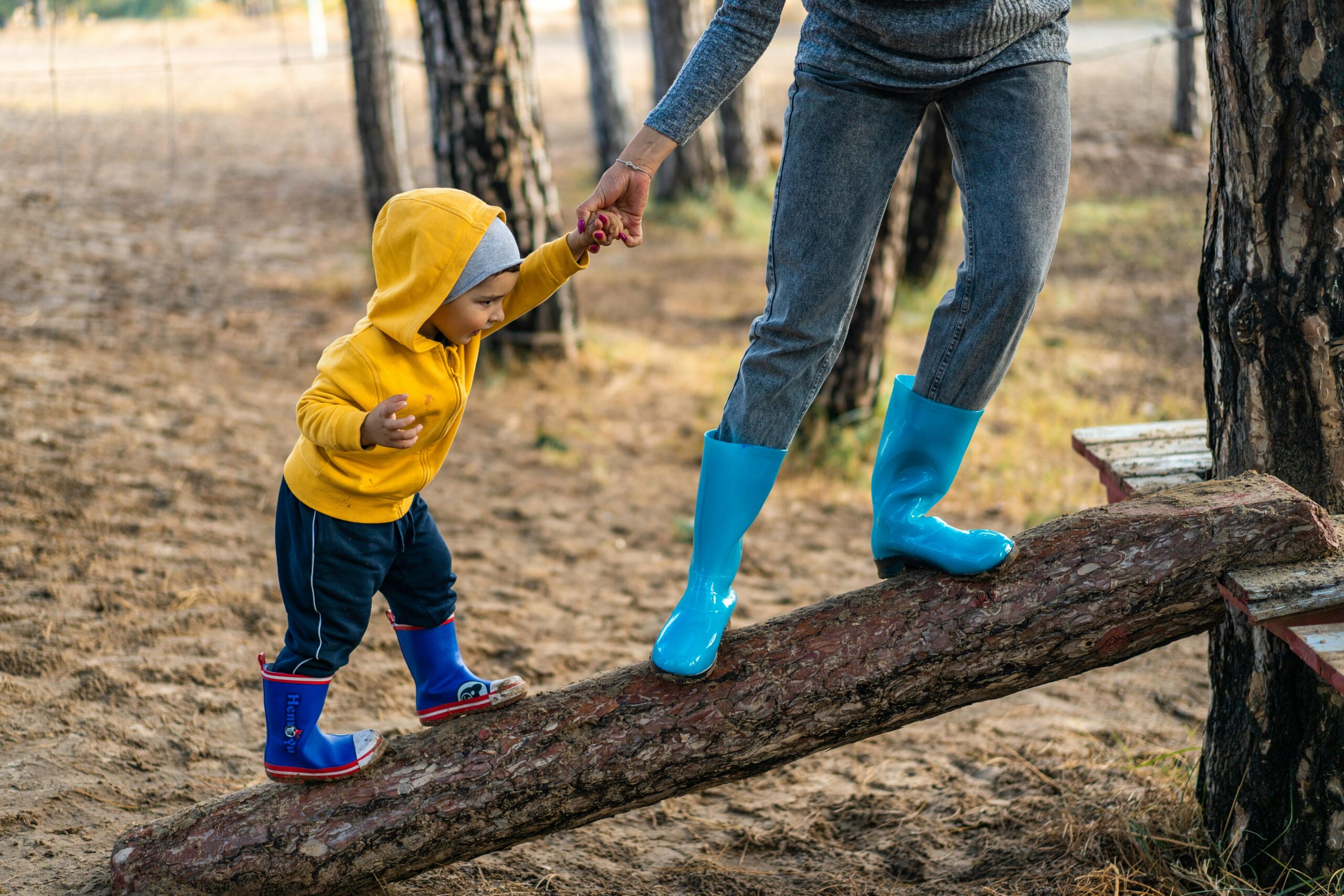
When kids face challenges, self-belief makes all the difference. Natalie Nicholls, founder of PLECS Learning, recently joined Table Talk with Doug to share how parents can help children grow in confidence.
“Self-belief is simply our ability to believe we can do something,” Natalie explained. “In psychology, it’s called self-efficacy, but self-belief is easier to understand.”
Natalie outlined a four-part framework parents can use to strengthen their child’s confidence.
1. Practice Creates Success
Children need to experience success before they believe in themselves. “Mastery is about practice, practice, and more practice,” Natalie said.
She encouraged parents to make learning relevant. Whether it’s counting pasta pieces at dinner or using multiplication in the shops, real-life examples help kids connect concepts.
If the work is too hard, frustration replaces learning. “How can a child succeed if they don’t have the foundations in place?” she asked. Parents can step in, slow down, and make sure their kids achieve small wins.
2. Seeing Someone Like Me Succeed
Kids are inspired when they see someone at their level achieve. “If they can do it, maybe I can too,” Natalie explained.
This could be a younger sibling riding a bike or a classmate solving a maths problem. Parents can also share their own struggles and successes. “It helps children see that learning is possible, even if it takes time and effort,” she said.
3. Encouragement From People Who Believe in Me
The words we speak over children matter deeply. “The two most important voices in a child’s life are their parents,” Natalie shared.
Generic praise like “you’re smart” doesn’t work as well as specific encouragement. Instead, say things like: “I saw how hard you worked on that problem, and it paid off.”
Consistency matters too. Children overhear side conversations, so parents should ensure their private words match their encouragement. And when mistakes happen, repair is always possible through honesty and reassurance.
4. Feeling Calm and Capable
Children learn best when they feel safe and calm. “We need to feel regulated before we can tackle challenges,” Natalie explained.
Parents play a key role in creating that safe environment. Sometimes this means pausing before tackling homework, offering a hug, or practising deep breathing together.
Natalie reminded parents not to dismiss emotions. “Life is full of ups and downs. Our role is to coach kids through their feelings so they can face challenges with confidence.”
Helping Kids Believe in Themselves
Building self-belief doesn’t happen overnight. It takes patience, repetition, and encouragement. But the payoff is worth it.
“When kids believe in themselves, they’re better able to overcome problems, resist peer pressure, and succeed at school,” Natalie said.
Parents don’t need to be perfect. They just need to be present, supportive, and willing to walk alongside their children as they grow.