
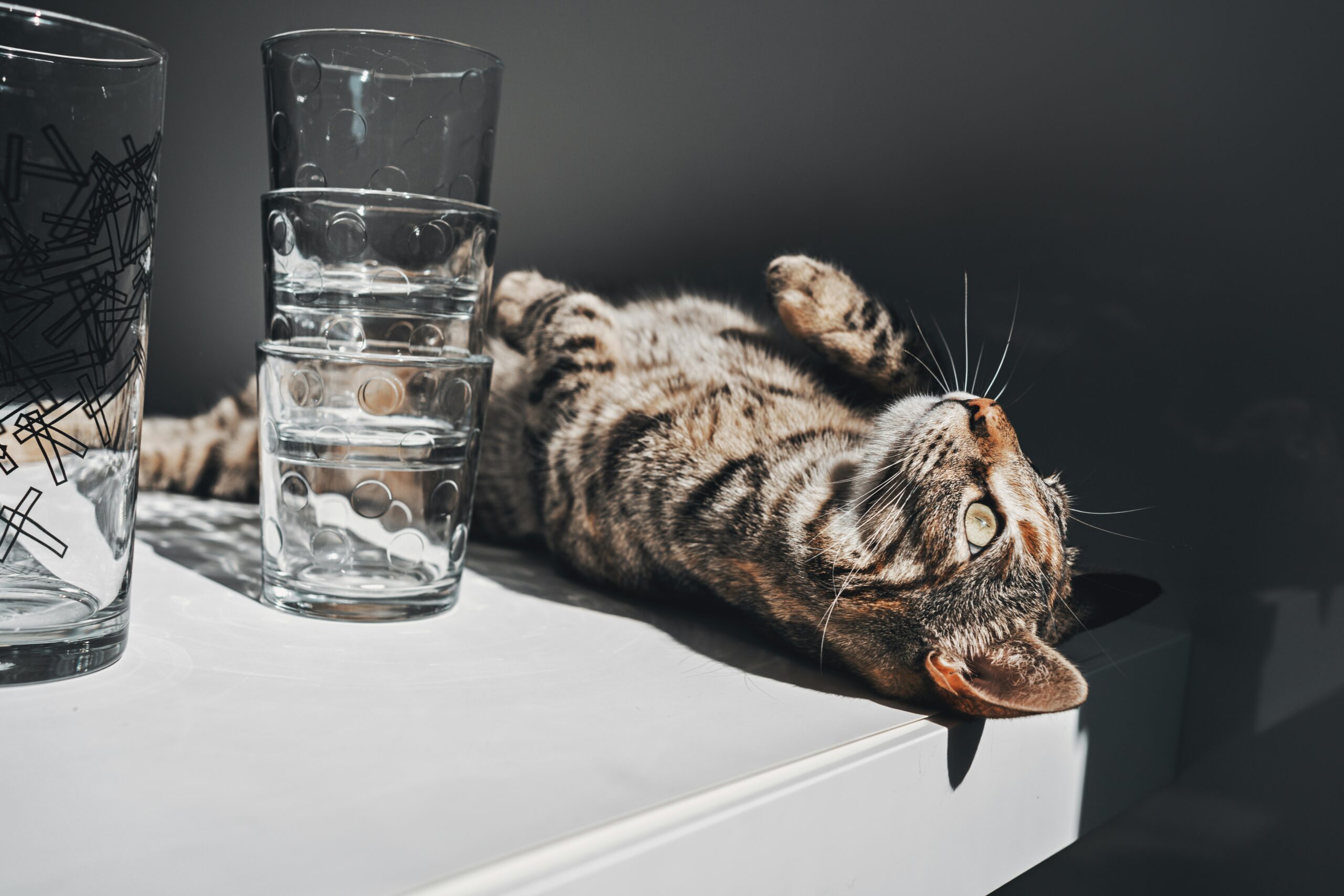
Animal expert and veterinarian, Dr. Fre Hurly, joined Bec on Drive to talk about cats and the mysterious reasons why they knock things over.
She began by acknowledging how annoying it is as a habit and yet vital to their natural born hunting instincts.
“Cats are born hunters, so they have hunting instinct and they’re also very curious. They can test things by batting at them to see what happens.”
This results in things falling off ledges and table edges.
Is it Intentional?
Science would indicate that boredom is one of the reasons they look for this sort of stimulation,
“They need enough play time and environmental enrichment every day. By knocking over things, they create their own thing and engaging activity to play with.

She said that curiousity plays a big part because swatting allows them to observe and see the cause and effect of something.
Dr. Fre admitted that oftentimes it is on purpose, but the reasons of why they do it can vary.
Investigation
“It is not because they don’t like us. Cats love us,” she said.
“I don’t think that it’s payback time for something. It is part of their behaviour. They will investigate things. They love investigating, for example, a glass of water.”
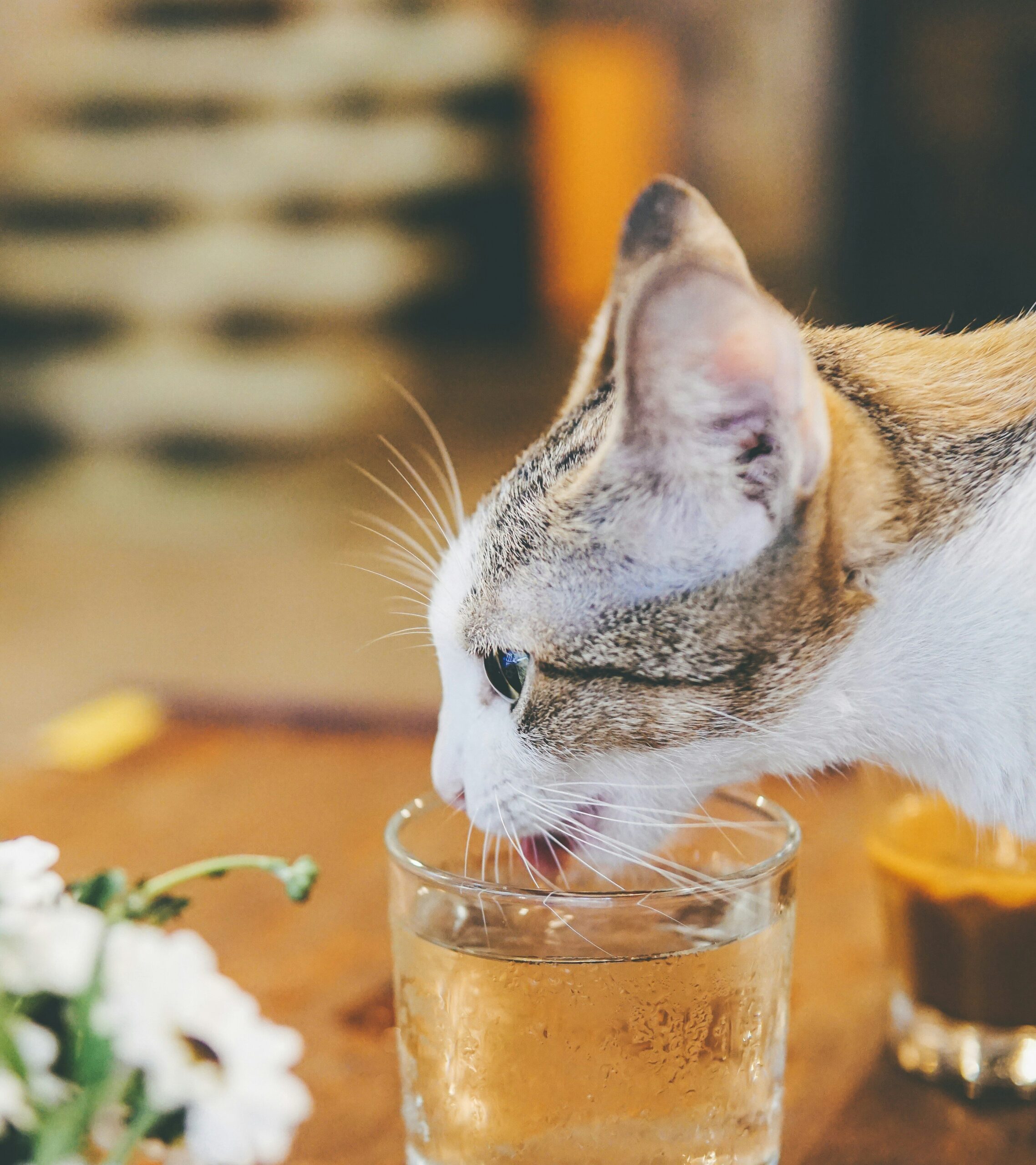
She explained that cats are fascinated by moving water and their reflection in it.
“They will dab their paw in it and the next thing you know, it’s on the ground.”
It is also a good way to get an owner’s attention.
“These cats are a little mischievous. Pushing an object toward the edge of a table ensures you will get attention, even if it’s negative.”
Large Cats Also Engage in Play
We also see this behaviour in animals in the same family.

“I don’t think they’re sitting on my ledge in my kitchen, but… Just kidding. They will actually naturally swat and bat and poured objects on the ground, for example, to see if something is alive.”
She said it is for play and to look for hidden food.
Prevention
The first thing Dr. Fre said can prevent this behaviour, is remove items from countertops and edges.
“If you can ignore the behaviour, that’s always better, but that is difficult, if something is going to break.”
She said increasing play time is vital, as is increasing the environment with enrichment.
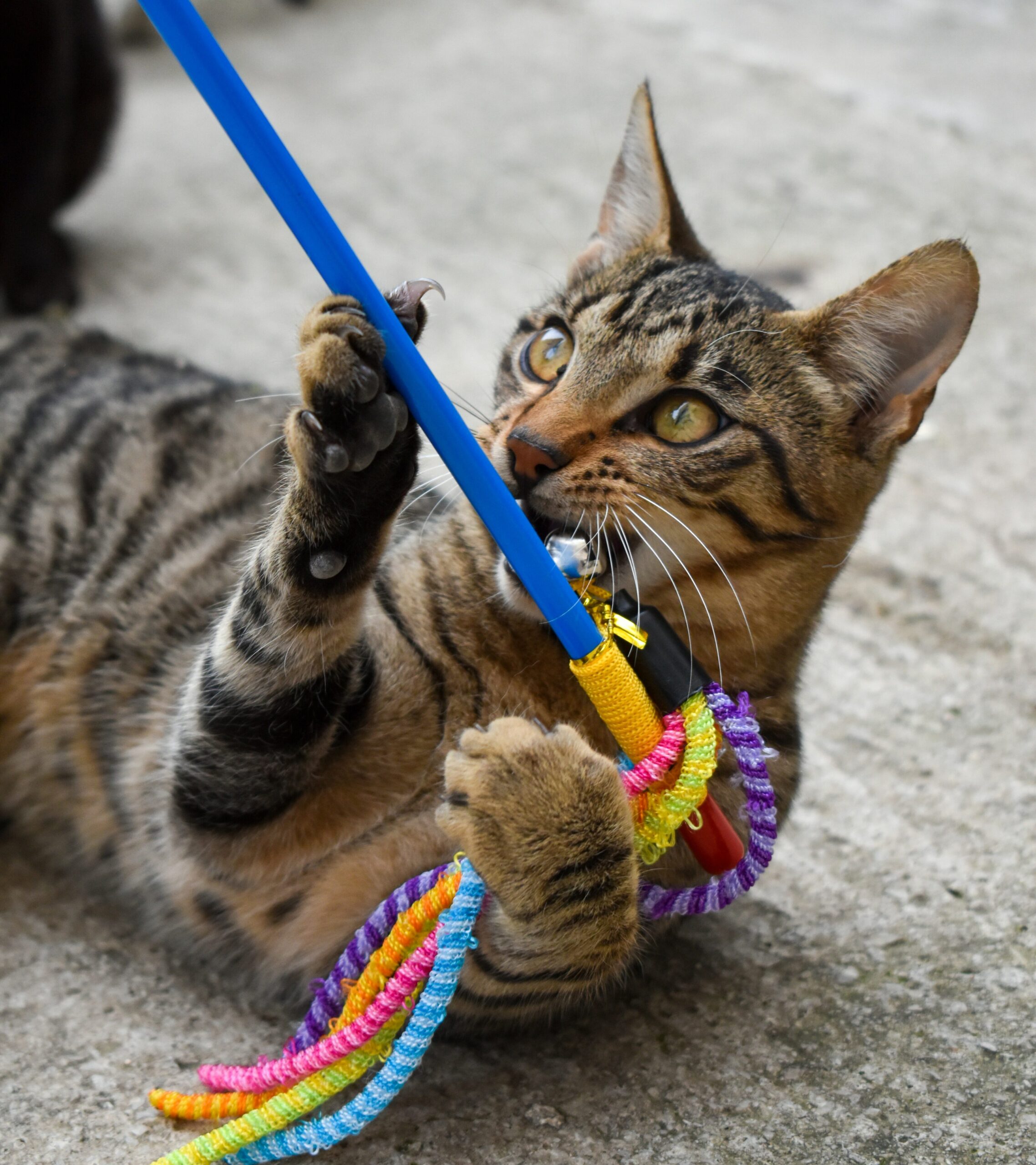
“Use objects they can investigate, or wands with fake animals so they can use predatory behaviour.”
Dr. Fre said that by increasing mental and physical stimulation, it aims to decrease boredom and the hunt for breakable things.
Check out the full chat with Dr. Fre Hurly below.