

Doctor of Psychology and Mindset Coach, Dr. Marny Lishman joined Doug on Mornings to talk about music and its ability to heal a broken heart.
Dr. Marny has just released a book, Only You: The Unexpected Gift of Being Alone.
In her book, she touched on the power of reminiscing, healing and heartbreak.

Self-Care Talk
Dr. Marny’s work involves her walking her clients through stress management or something challenging they are going through.
“Self-talk is an important part of that,” she said.
She has also help clients through stress management, by suggesting a combination of exercise, time in nature and listening to music.
“I think we all know what it feels like when we’re either angry or frustrated or had a really bad day and we get in the car and we turn on the radio to put the volume up and really have a good pelting out of the music.”
Relaxation
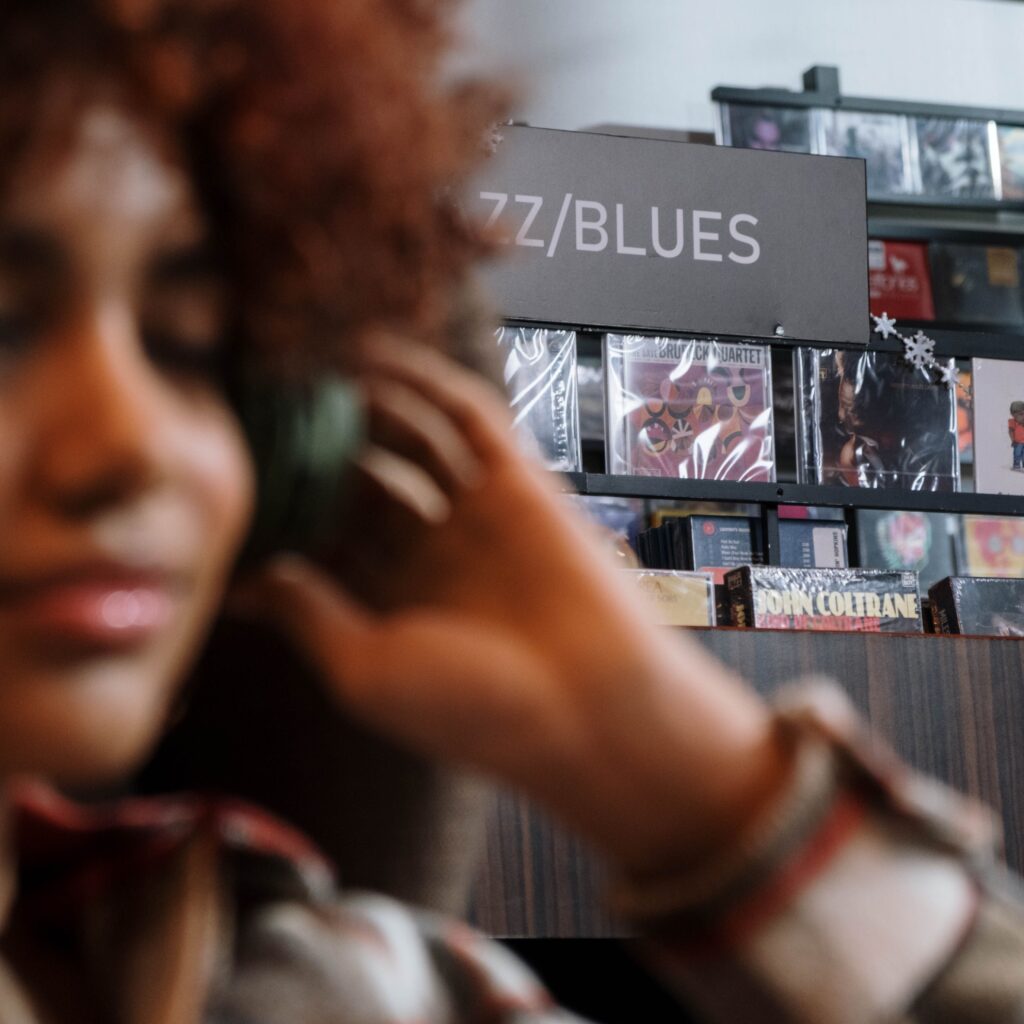
“A lot of research actually shows that music does have healing qualities about it. Whether people are going through something tough or even if it’s related to kind of pain relief, so physical pain relief. They say listening to music actually soothes us and calms us.”
She said not only does it release stress and stir up emotion when we are singing aloud but it reaffirms how we feel, because many of these lyrics are written from a place of vulnerability.
“Let’s face it, a lot of the most beautiful songs that we’ve ever that have ever been written are usually come from a place of loneliness and heartbreak and I think when we’re listening to the lyrics it validates how we’re feeling and it actually, it shows us that we’re not the only one that goes through something like that.”
Mirroring
Dr. Marny observed the beauty of a songwriter we’ve never met being able to mirror an experience that we are going through in the present.
“That kind of feeling of support and validation and empathy is actually really calming for us.”

Declaration of Lyrics
She said declaring lyrics can have cathartic results.
“It’s almost like the hero’s journey of any story that we’ve read growing up is that, you know, people are going to rise past this and get through it and there’s healing after hope. Pelting out those tunes is us saying, ‘I’ll get through this. I’m stronger than I think I am,’ which is something that we need, to get out of that pit of despair.”
Giants of Nostalgia
Dr. Marny said that she feels most nostalgic listening to artists like Joe Cocker, most known for his song, Up Where We Belong.

Bands of Heartbreak
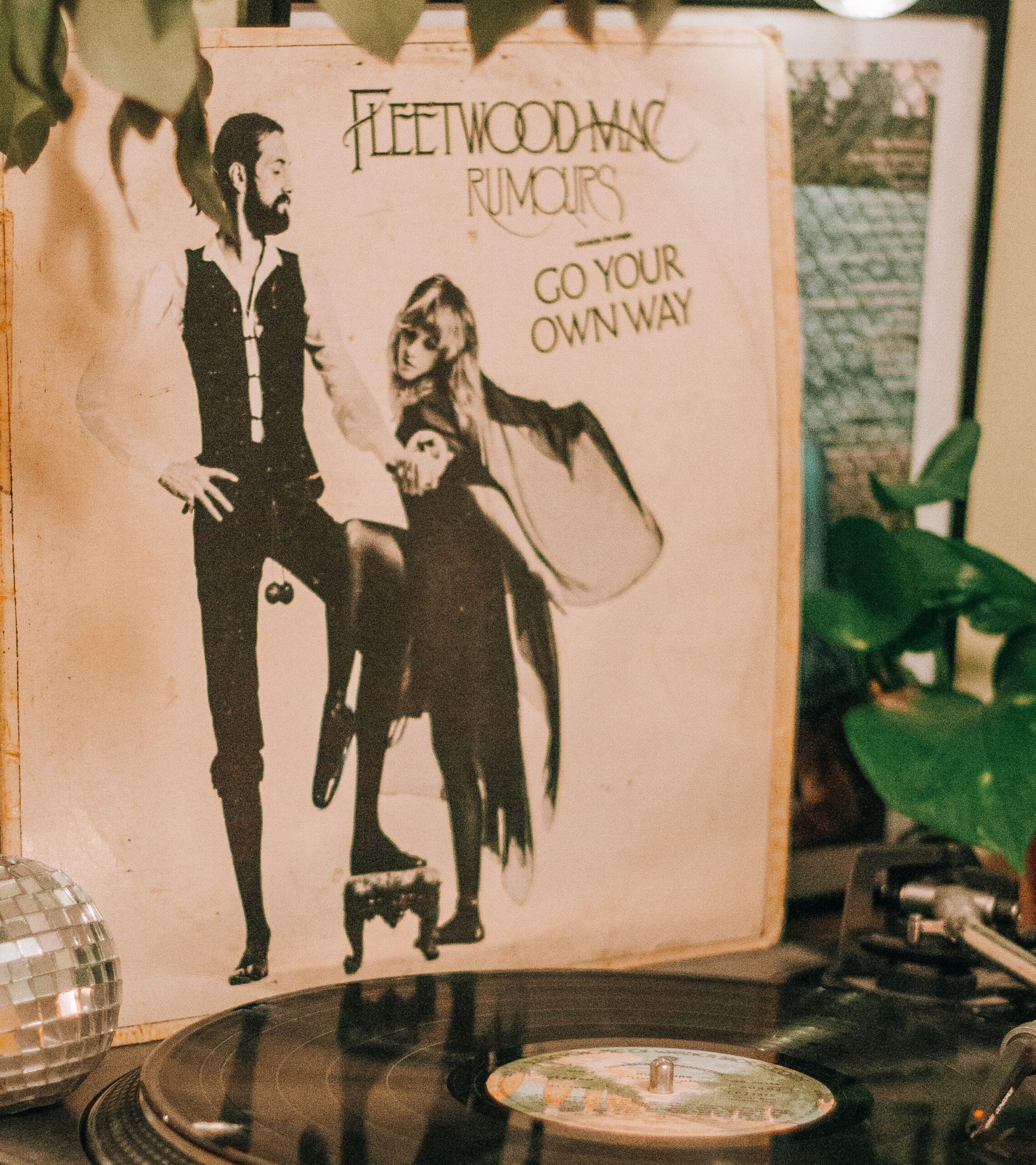
She also referenced Phil Collins and Fleetwood Mac, making note that Fleetwood Mac had breakup songs inspired by heartbreak within the band.
“There were a lot of love songs but there were some hate songs thrown in there as well on their journey with the band. So I think the Fleetwood Mac albums have a range of different experiences and emotions that we can pull out at any time to play.”
The Music of Our Past
Nostalgia covers a myriad of senses.
“It could be a smell, or a kind of a sight, photographs, but a lot of it is about, you know, what you’re listening to.”
Dr. Marny said she encourages her clients to get out the old albums, CDs and cassette tapes, and to listen to the music of our formative years.
“Music from our young adulthood and teenage years will tend to evoke emotions that in the present moment that you felt back then,” she said.
“I say to people all the time, listen to those that music of the past and listen to it now, remember who you are and bring parts of you back now, which is going to be helpful for you.”
One Artist, One Concrete Message
It is possible to be driven by one artist’s narrative, according to Dr. Marny.
“We probably need to ask lots of Swifties out there, don’t we? Because I think there’s some people out there that will listen and she’s a great example of the lyrics of all the heartbreaks that she’s gone through. She just pens it, she writes these poems and they become beautiful songs.”

The frequency in which we listen to artists can give us a more concentrated experience. Dr. Marny argued that this adds to catharsis and helps us process.
“Sometimes there is a confirmation bias. You end up listening to the same stuff. Because there’s so many other artists out there or songs that you’re probably not listening to where that’s gonna be really helpful for you. So I think the variety is so good,” she added.
“We never know what we’re going to get when we turn the radio on because might hear something that resonates and challenges the way we think.”

Listen More
She encouraged us to listen to more of the music that helps us work through our experience.
“Turn off your other devices and just spend more time in the present moment with yourself. Create that spare time to listen, because it’s so good for your brain, and for processing those emotions.”
Check out the full chat with Dr. Marny Lishman below.