
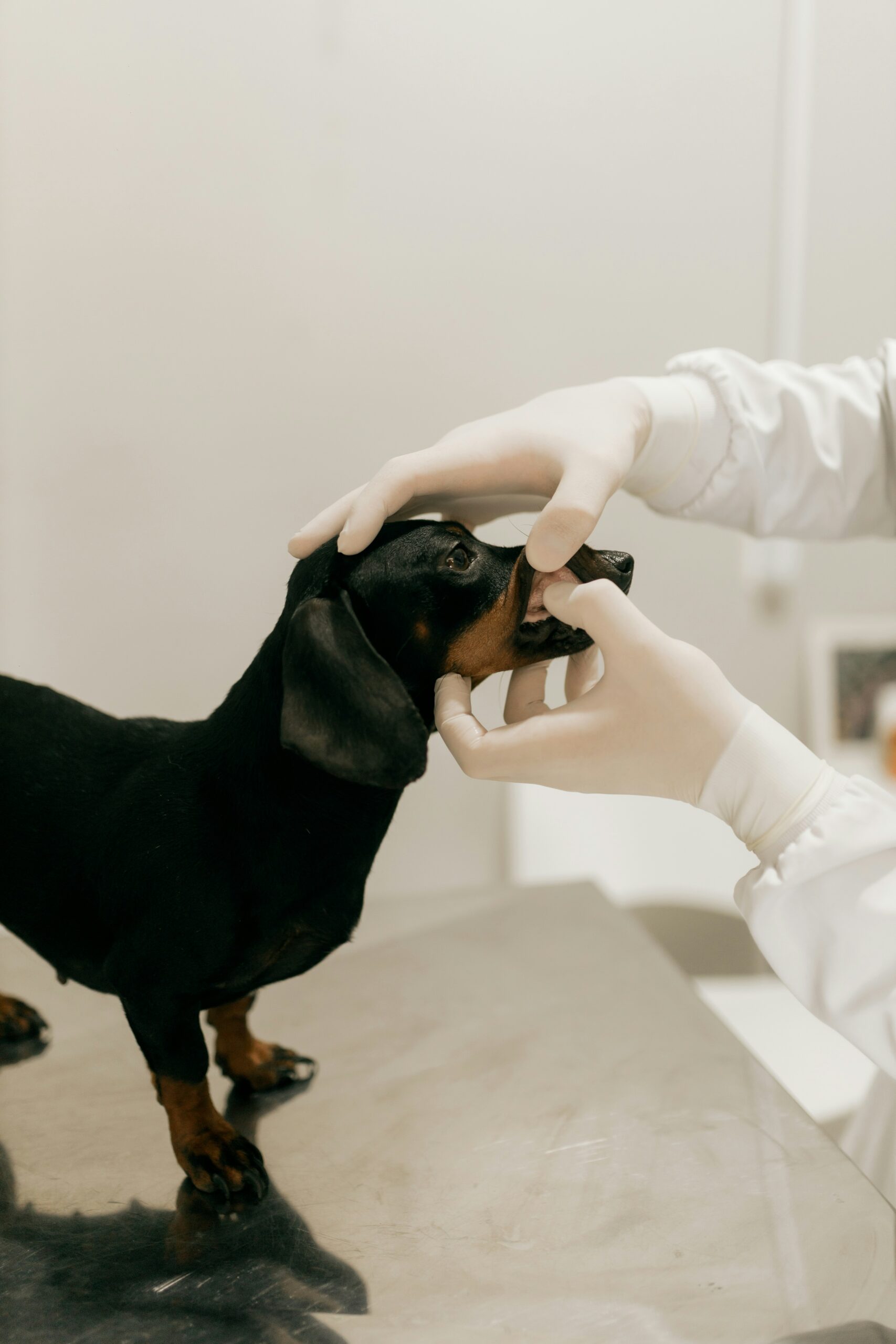
Bec and Asa on Drive chatted to Dr. Innis Cloete from Kingsway Vet Centre about dental hygiene in animals.
Bec was prompted to ask him about a hyena that received a gold-coloured crown.
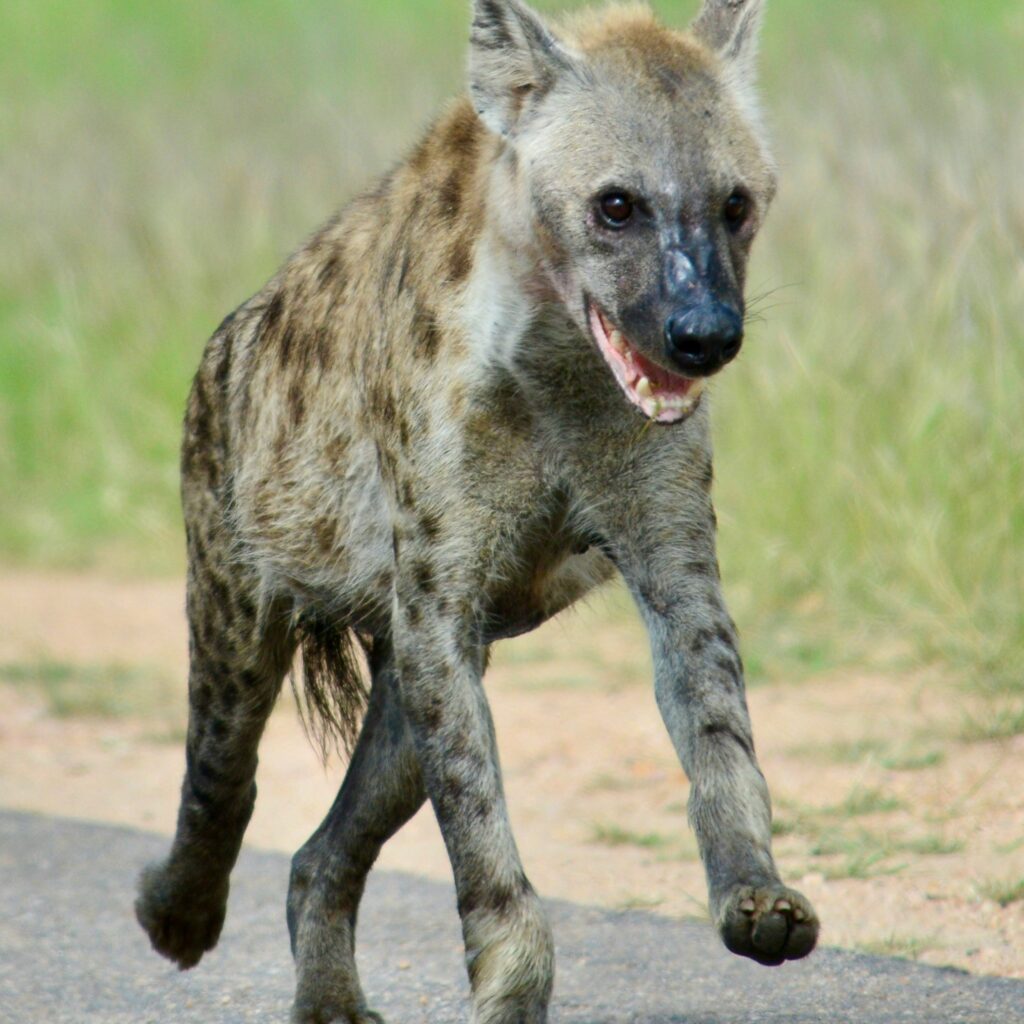
A Golden Chance
“One must remember they are wild animals. They’re not going to have pureed food and given soft food for the rest of its life,” said Dr. Innis.
“This animal needs to survive, it’s really important that they try and save that tooth as best as they possibly can.”
Dental Care
This began the discussion of dental care and how it must be a top priority for pet owners. Innes said that great teeth contribute to the emotional and mental health of these animals.
“I really enjoy is seeing a dog or a cat coming in with really, really terrible teeth. And after a bit of work, these guys are, not just physically, but emotionally, mentally as well.”
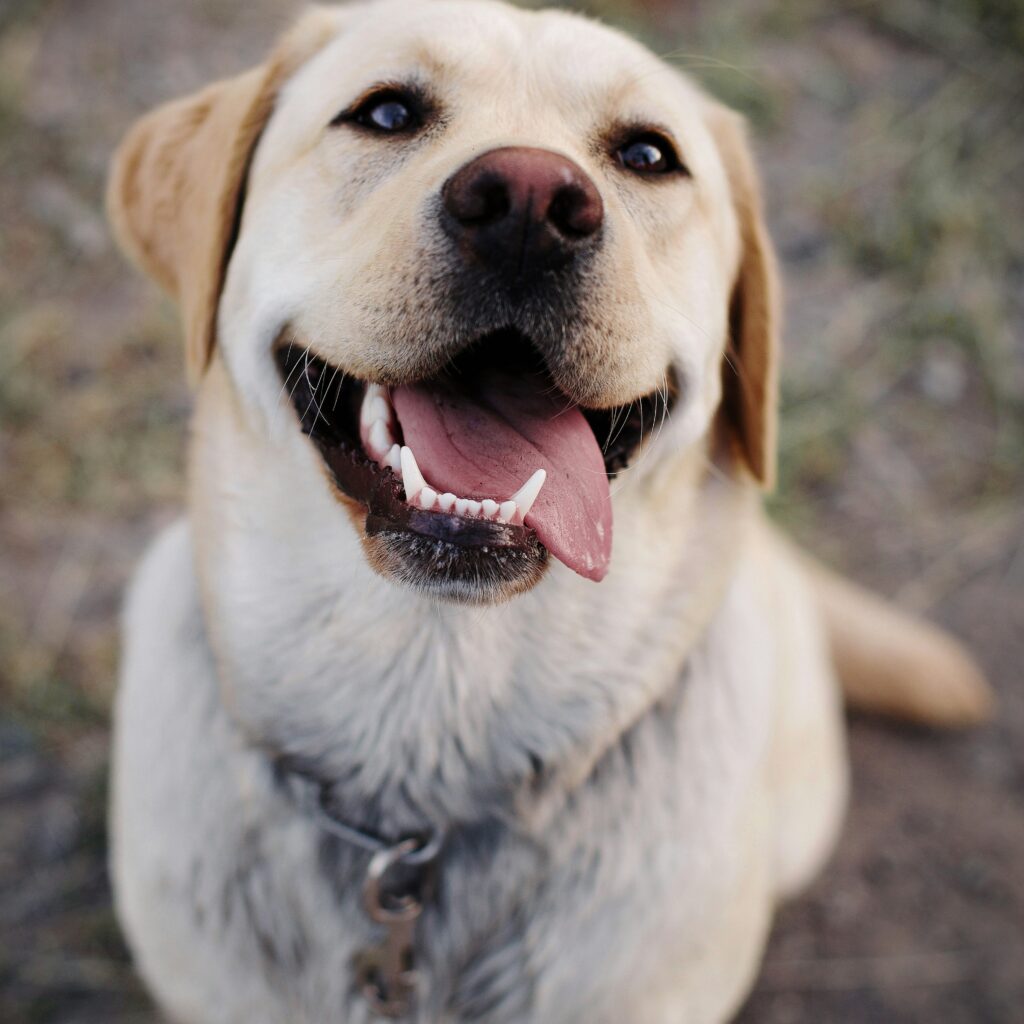
“Dental care is absolutely crucial, and we regard that as one of the top priorities for new pet owners. And we already start talking to owners about dental care at six weeks of age.”
The Effects of Bad Teeth
Innes outlined the downsides to bad teeth, beyond what is on the surface. He said that infections of the heart can be directly linked to poor dental health.
“There’s a lot of bacteria that grows on these teeth and the tartar. These dogs swallow these bacteria all the time. The immune system is challenged chronically to deal with this infection, this chronic infection, and long-term it can have an effect on the heart and the kidneys.”
Loss of Appetite
It is a misconception that a dog is not in pain if he or she is still eating.
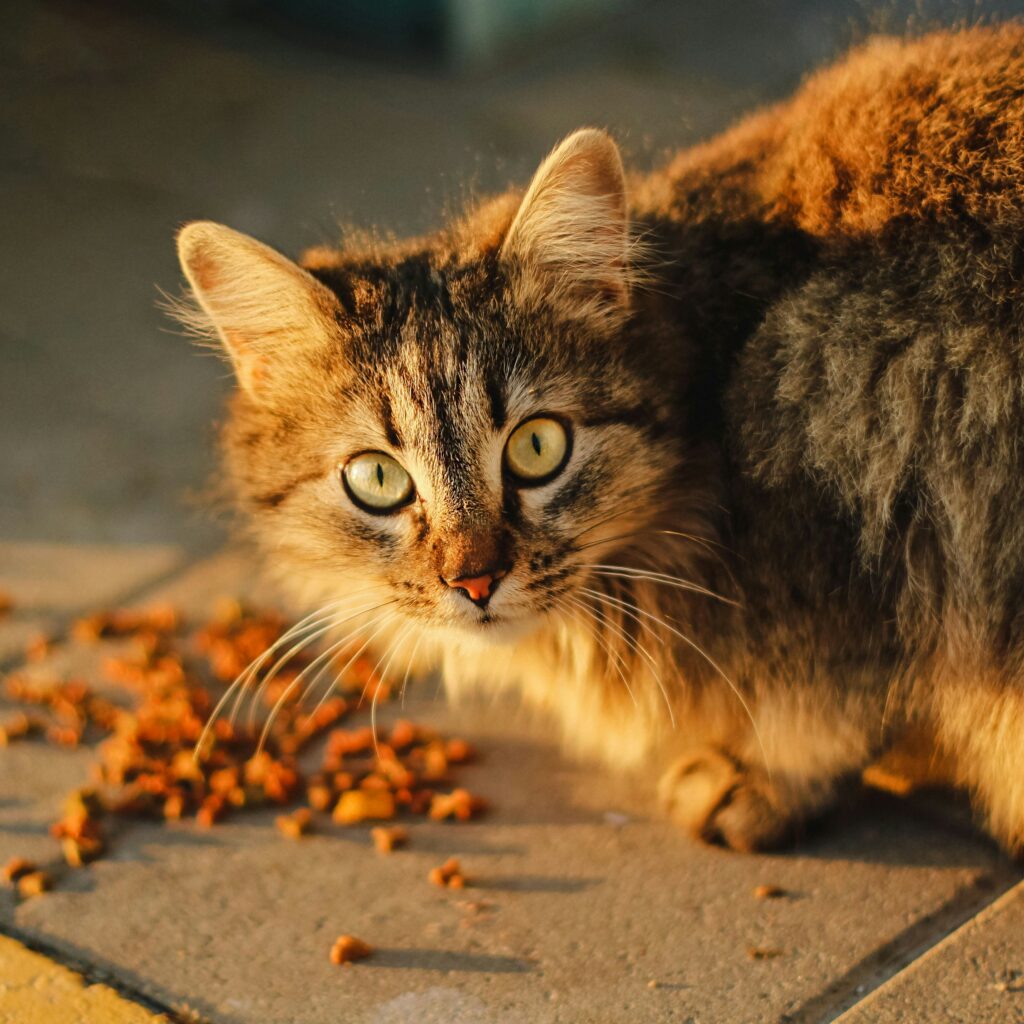
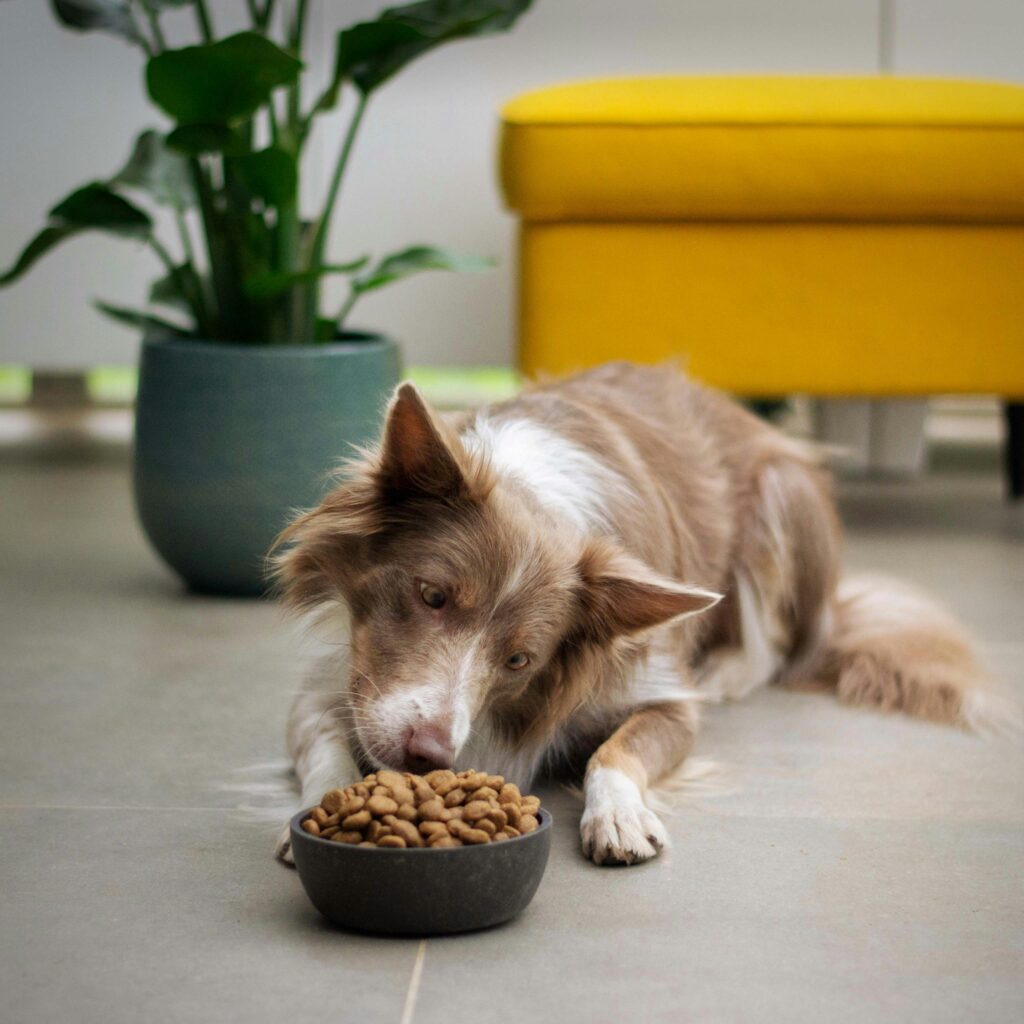
“Dogs and cats will eat until they virtually cannot eat anymore. They are creatures of instinct, survival. They have to keep eating to keep themselves going, to keep the pecking order in the pack and to be moving with the pack.”
Quitting
Eating patterns are not the first thing owners should be looking for. Dr. Innes introduced a term called ‘Quitting’.
“Quitting is where they start eating, then they either drop their head to one side and then chew on that side, or the food starts falling out of their mouth.”
He said that although it is normal behaviour for a pet to drop food and play with it, this can also be a sign that they are in pain and need to have their teeth looked at.

Bad Breath
Another common sign is bad breath, according to Dr. Innes.
“That can happen in fairly mild cases of gum disease and bad teeth.”
If animals have stopped eating hard food, or eating slower then started losing weight with signs of lethargy, the checkup is long overdue.
Daily Brushing
The number one prevention is brushing a dog’s teeth every day.
“At least once a day, it is desperately important. When our puppies get to that six-month mark, I take out a finger brush, I show owners how to brush their dog’s teeth and their cat’s teeth as well. It is number one, two, and three to prevent tartar and bad dental disease.”
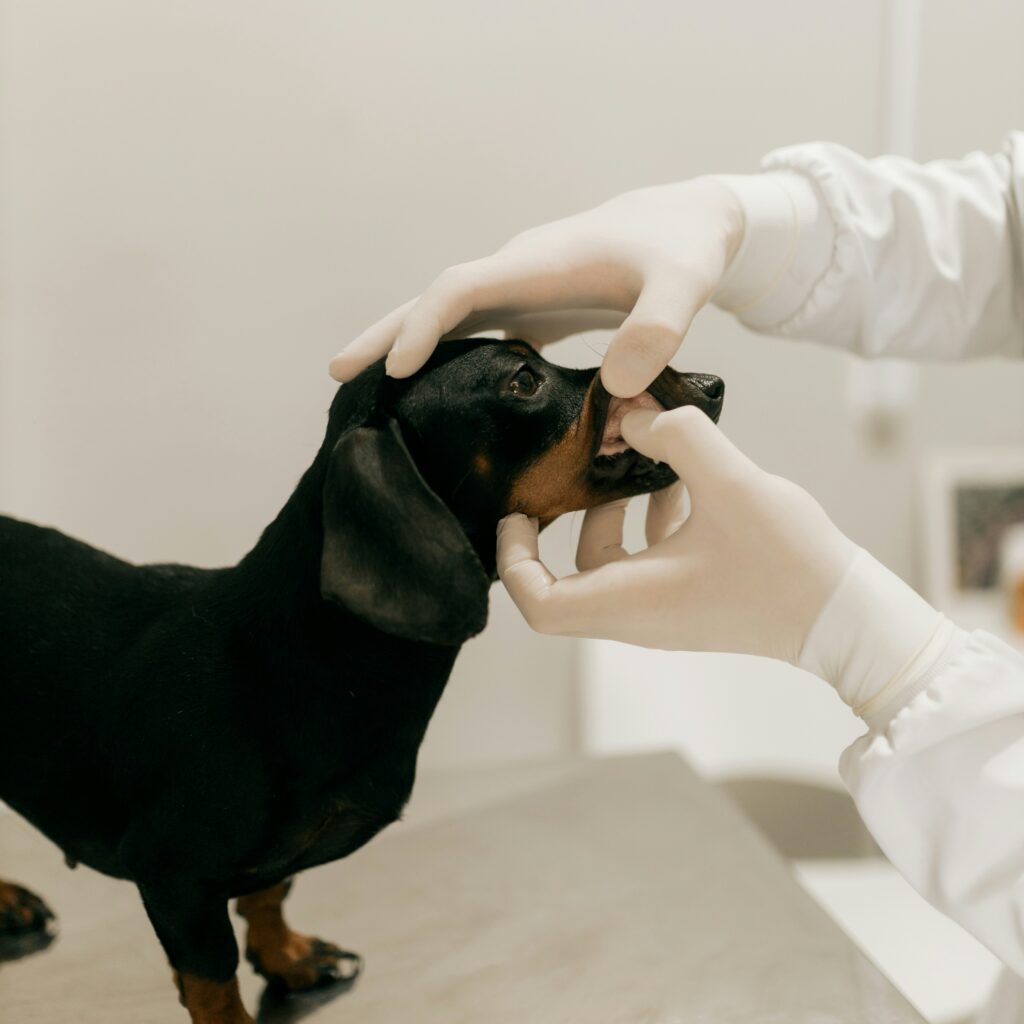
Dr. Innes encouraged pet owners to get their pets seen at the first sign of bad breath, and to keep consistent with brushing.
Check out the full chat with Dr. Innes Cloete below.