

Youth advocate and motivational speaker, Jason Blyth spoke with Doug about anxiety and what we can do to stop catastrophizing situations.

Anxiety vs Catastrophizing
Jason opened with the key differences between anxiety and catastrophizing, characterised in early descriptors.
“The distinction is really that anxiety is the feeling, while catastrophizing is the thought pattern that really intensifies that.”
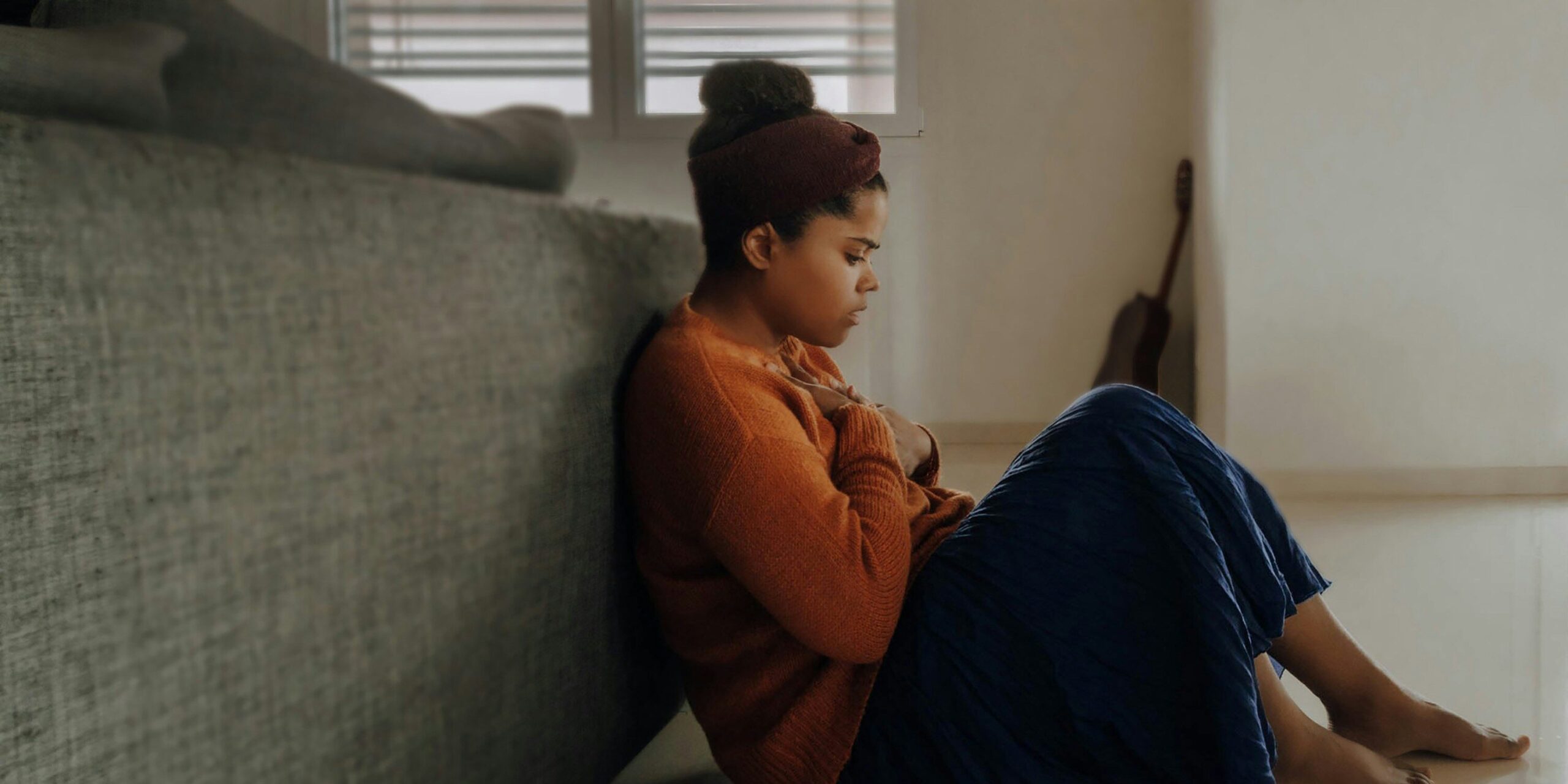
He detailed an ongoing revelation of his own. It brought him to notice uncommon thought processes, normalised in modern society.
“It was only probably about 10 years ago that I realised the way I was living wasn’t normal. Catastrophizing showed up for me was in some really normal everyday activities that I just couldn’t do anymore.”
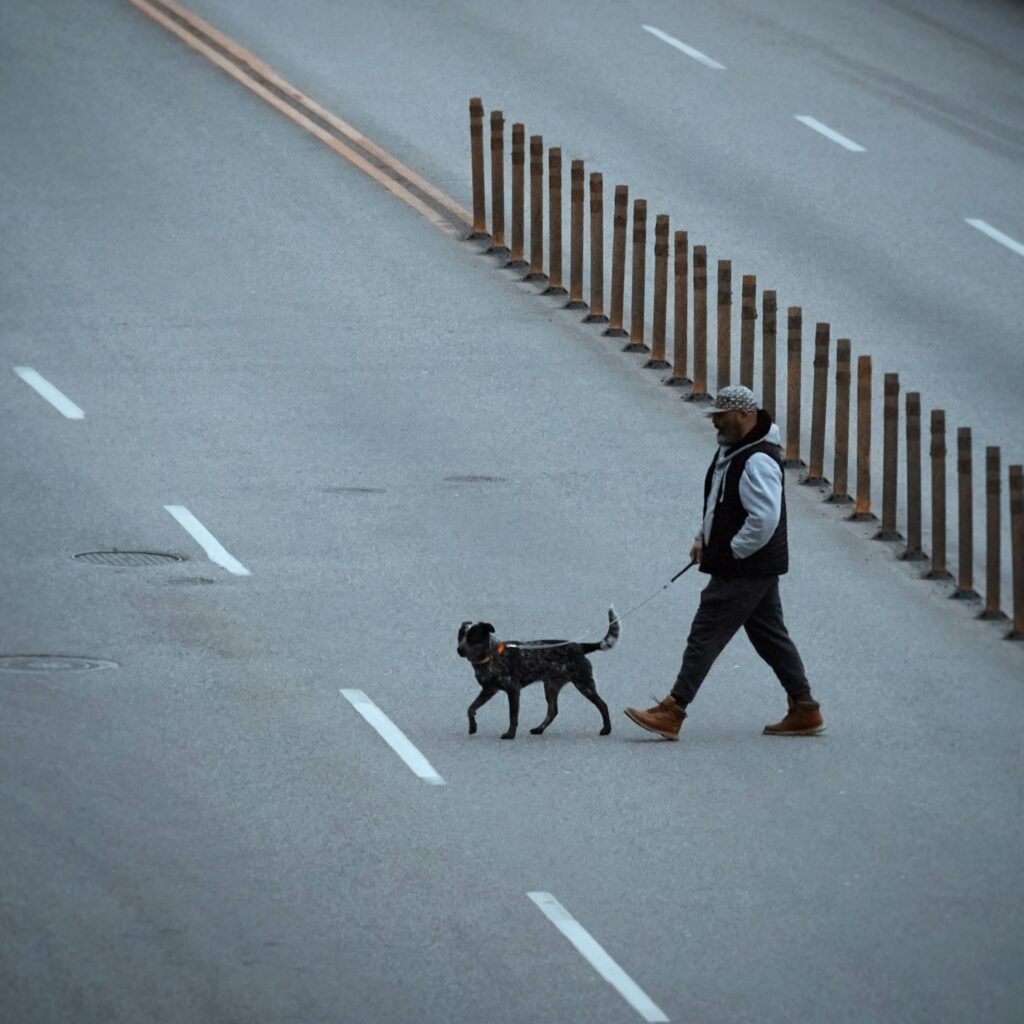
Jason feared mowing the lawn over the risk that a stone would hit him in the eye and blind him.
“I couldn’t walk my dog because I thought that a car would veer off the road and crush us both.”
Feeling Unsafe
These feelings of uncertainty were rooted in an unsafe childhood.
“It was previous experiences of life that became a protective mechanism.”
Jason noted that we can be quick to attribute anxiety and racing thoughts to our enemy.

“Whereas our body is just telling us that it’s something that it’s trying to protect us from. The adrenaline can rush up with sweaty hands and racing heart – these are signs that we feel unsafe. They’re not actually the enemy. The adrenaline there is a fight or flight response. And it’s there to warn us that we might be feeling unsafe, but there’s things that we can certainly do.”
There are calming practices we can put in place to think rationally and logically about whether or not we are actually in danger.
Jason was once hyper-vigilant about looking for threats because he was experiencing trauma from his childhood.
“It was always in the way people looked at me or just even in the nuance of the voice, the tone that they used when they spoke. And I had to get really good at being able to think about whether or not what I was experiencing logically and rationally, as I said before, the word was a threat to me or not.”
Catch Thoughts Early
He found catching thoughts at the onset to be highly effective in downgrading their threat.
“Catch those thoughts early on before they spiral and actually become something that ruins our day or makes us think just abnormal, wild thoughts.”
He credited the safe people around him in helping to rationalise and recalibrate his internal compass.

How to Address Those Feelings
Along with catching the thoughts early, Jason said being active in the participation of our journey is a great way to battle anxiety.
“Anxiety isn’t one of those things that just stays at the same level,” he said, “It always gets more intense if we avoid it, if we decide to run away from it and kick the bucket further down the road. It comes back with more ferocity and it’s much harder and the journey becomes more of a battle.”

Jason decided to start an active campaign of doing things that would safely challenge areas of anxiety.’
“I actively started doing things that made me feel uncomfortable, but in a very safe way and with people around me that could help me navigate that as well. And I was very conscious about thinking beforehand about what it was that I feared the most.”
He then used practices of reflection to compare his catastrophic thoughts against his lived experience.
“I think this is a vital and necessary part of the journey is to keep pushing outside of the box, so it doesn’t keep closing in on us,” said Jason.
How to Practically Deal
Prayer is a powerful tool in dealing with difficult conversations and summoning courage.

“One of the things that I speak about a bit is we can often pray for things like patience or courage or strength. But then we don’t often see how it turns up in our life. And God doesn’t just flick a magic wand and make us more patient. He’ll provide us with opportunities in life to practice patience. And we can pray for strength, but we might have to carry some things in life, some heavy things to become stronger. And if we need to be courageous, well, life will often present us with opportunities to practice being courageous.”
He highlighted God’s ability to allow growth in areas that we pray for, instead of providing what we see as a solution.
“Part of my own journey was reclaiming my voice after a difficult childhood. I made a decision to get involved in public speaking, which terrified me, but I knew it was going to be a necessary part in reclaiming my voice.”

Jason also credited a healthy fitness regime.
“We should treat our bodies and ourselves with the respect that we absolutely deserve. These are practical things that of course we can do to start taking back control of our lives.”
The Journey of Releasing Control
Jason posed the question: What can we control?
“We spend a lot of time trying to control a lot of things that if we know and we can appreciate and we can actively and logically understand that we don’t have any control over a circumstance, well, why stress over it?”

He continued by saying, there’s a lot that we can’t control about this, but we can always control our attitude and the way that we respond and our perspective on the journey.
God’s Pattern For Us
“Fear and anxiety is never anything that I think is designed to break us. The pattern of life, and I think God’s pattern for us, is that we have to go through hard things to grow. Growth doesn’t just happen because we have an easy life. And this is the pattern that’s been used all throughout time, through every great story, through the Bible itself, with all of the great, amazing people of faith. And if we’re being challenged and tested, it’s because God is trying to work on us to grow us into something that can be of great service to humanity.”
He concluded by encouraging those in the thick of anxiety to become a hero on the journey.

“The hero’s journey was always about the hero being able to gain the experiential wisdom through the hardship to then go on to become the teacher to help guide others through and to navigate through the difficulties of life.”
Check out the full chat below.