

Doug was joined by Natalie Nicholls from PLECS Learning to discuss working with an ADHD brain, instead of against it.
Checklists and Charts
Natalie said that it begins with checklists and charts for young people who want to stay on track. She has found that parents will come back to her with questions such as:
“My child loves it at first, then forgets about it. How do I keep them interested in it?”
Focus on the Brain First
“One thing that’s really important for us to understand is that the brain craves three things to release the dopamine.” Natalie said, it craves novelty, urgency and visual progress.
The typical ADHD brain has a lower dopamine baseline. If we increase novelty, urgency and visual progress, it will increase our dopamine. Natalie argued that drop off from an initial dopamine release will cause a lack of motivation – because those three factors are not being addressed.

Dopamine
Dopamine is released as part of our reward system. Our bodies need it to function, according to Natalie.
“When you do something quite exciting, something novel, you get a higher level of dopamine release, and so therefore it feels good.”
She listed the natural ways to increase dopamine.
The Command Centre
Natalie said that with novelty, comes dopamine, but it fades with predictability. The brain sees it as low reward. Starting a task is like a command centre for the brain, which needs something appealing in order to start a task.
“We then need to be able to maintain the continued focus of using something like that checklist. Again, if there’s no novelty, we’re going to decrease, our excitement fades, low dopamine.”
Delayed Gratification
Natalie said that this is essential for our executive functioning. When it comes to delayed gratification, it is much more neurologically challenging for an ADHD brain to wait for the reward.
Instant Response
“I had a young person that I used to work with who was ADHD, they got instant reward from playing video games. They could play the video game for like 24 hours straight, but couldn’t function in other ways.”

She focused her research on addiction and how things like video games and TV can be appealing for those seeking immediate gratification because so many images are being released at the same time.
“We start to learn subconsciously that it gives me a good feeling… and then it becomes a habit. So, if we’re going back to something like the checklist, where we might get really excited over it, we need to have those 3 core things being our novelty, our visual progress, and our urgency for the same things that we would get for.”

Movement
“Movement is also a natural release of dopamine. We see a lot of kids running around and enjoying movement and enjoying sports.” Natalie said this is a highly effective way to release dopamine naturally.
“We have become a society that are wanting that high level of dopamine release. The brain then learns, because we are adapting to those environments. We are, in turn, providing those same environments for our children.”
Top Tips
Natalie offered these top tips for children, conditioned to those environments, in order to assist them in staying engaged.
1. Small, Short Steps
“So only maximum of three because it’s less of an overload for the brain and it’s more able to be accomplished,” said Natalie.

2. Immediate Ticks
“Ticking off immediately as opposed to straight after we’ve done all three creates more urgency,” she said.
3. Visual Progress
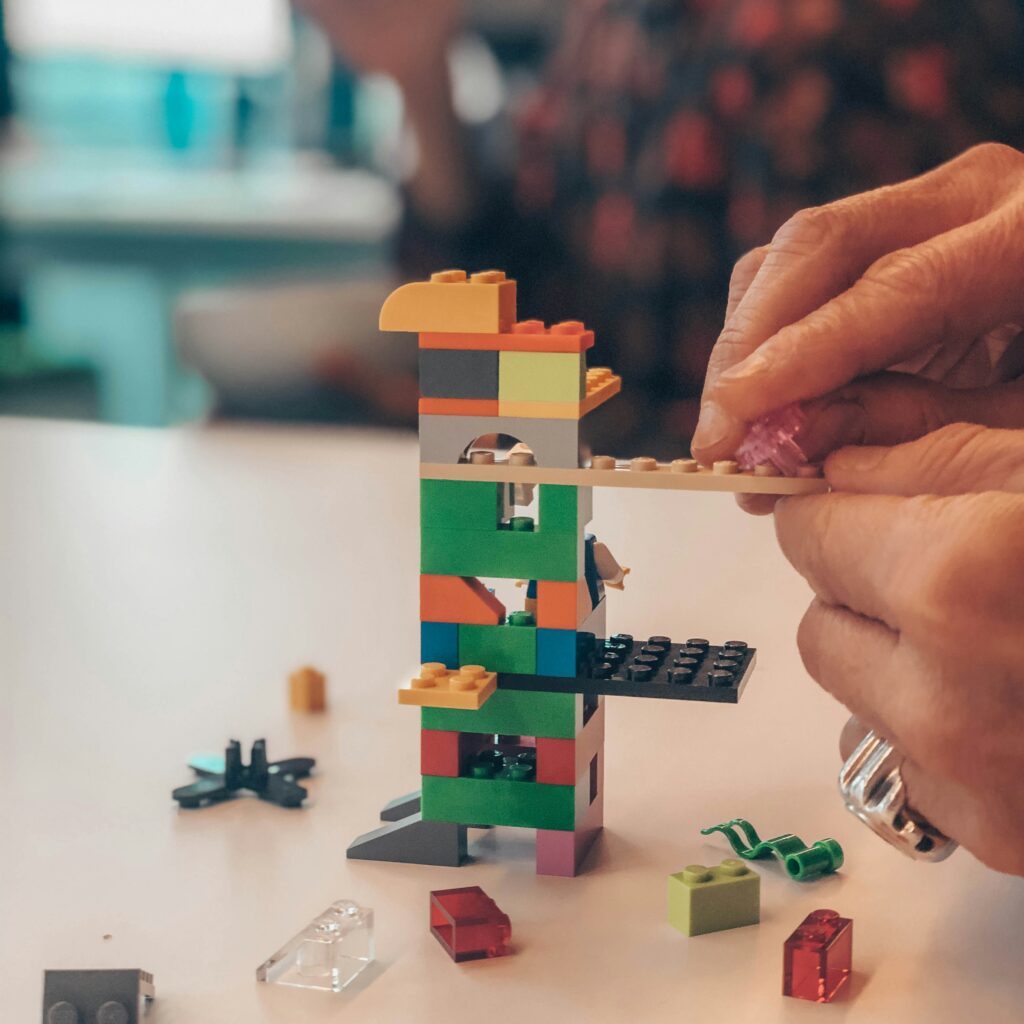
Natalie said that showing progress through something visual like a bar chart, coloured square or lego tower, builds momentum and encourages children to keep going.
4. Novelty
“So how do we change? Because the routine needs to keep the same, but the way you present it can change.”
“It’s the same things they need to do, but change the way the reward system’s there, because that will then promote the dopamine and the novelty that it really needs.”

5. Urgency
“Urgency triggers the dopamine and gamification. If you create a wall, you can get things done in 5 minutes.”
She said this creates fun within the activity and they are more likely to complete a task and stay consistent with their goals.
Check out the full chat with Natalie Nicholls below.