

It was a fascinating Science Section on Sonshine with Bec and Asa. Science Explainer, Rachel Rayner, discussed the ever-growing demand for QR codes and a tiny new invention!
Microscopic Memory Storage
QR codes appear to be everywhere. Restaurant menus, parking metres. It turns out that scientists have now created the world’s tiniest QR code. It is so small, it’s invisible to the human eye.
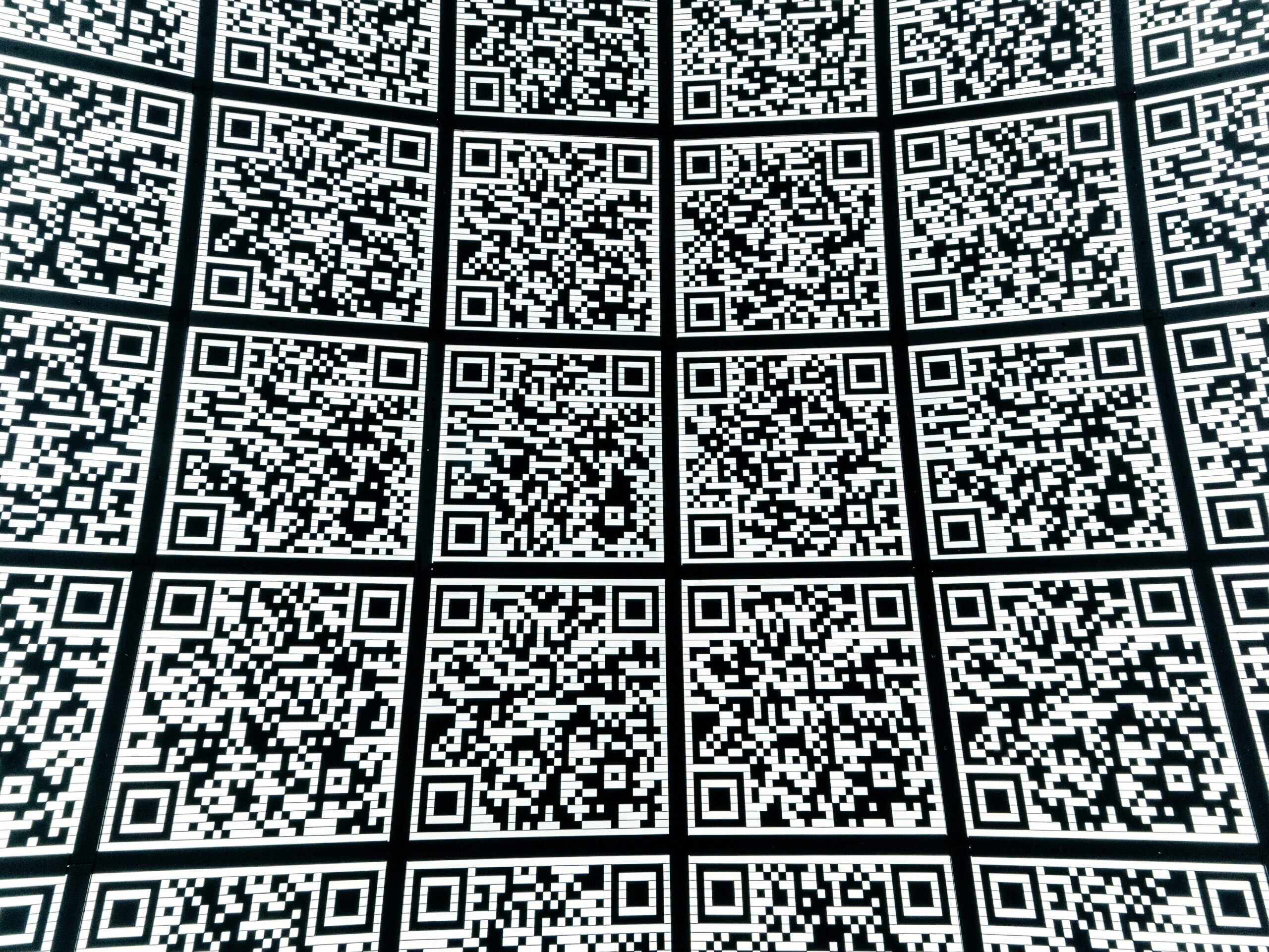
“This is so tiny. It’s smaller than wavelengths of light. So you can’t even see it with light,” said Rachel.
Quick Response
QR stands for Quick Response, and scientists are in the process of testing its usefulness, but not as we use it in our every day life.
“It is a QR code,” said Rachel. “It is readable, but only if you blow it up in a scanning electron microscope. So it’s about 49 nanometers across, which is tiny… we’re talking way smaller than the width of a human hair.”

Small Science
“It’s really just a challenge. It’s a challenge of how small we can make something,” she said.
“Part of this research is for looking into how small we can make code information.”
Scientists are looking into getting coding information from something like a hard drive, to be the size of a pinhead.
“Is that possible?” Rachel posed, “Making a QR code was just a test of writing something that small that can be readable in some way.”

Phones and Photos
These same QR codes should have the ability to blow up with a microscope so people can read it with their phone cameras.
Rachel said that this idea would be used for things such as photo storage.
“All your photos would be saved and you could have way more photos,” she said.
“So like your hard drive, you think about how big it is now, you can have it the same size, but it would be storing 100 times more information than what it does now. So for us digital hoarders, this is a great thing,” said Rachel.

Electrons Explained
Rachel concluded by saying, “We think of microscopes and the way we see the world, it’s through light. It’s the way light is interacting with our eyeballs, with our retinas. But light has a finite distance.”
She compared micrometres to nanometres.
“Using electrons, and the way electrons behave in different circumstances can mean that they can get an image of this instead of using light.”
Check out the full chat with Science Explainer, Rachel Rayner, below.