

Dr. Bruce Robinson joined Bec and Asa on Drive to talk about the impact of the Bondi Beach Massacre.
He began by observing the hate that can spread from a tragedy like the shooting at Bondi Beach.
“I want to talk about how to eradicate hate, which sounds a bit noble. The thing about the Bondi massacre is that it was a father and a son.”
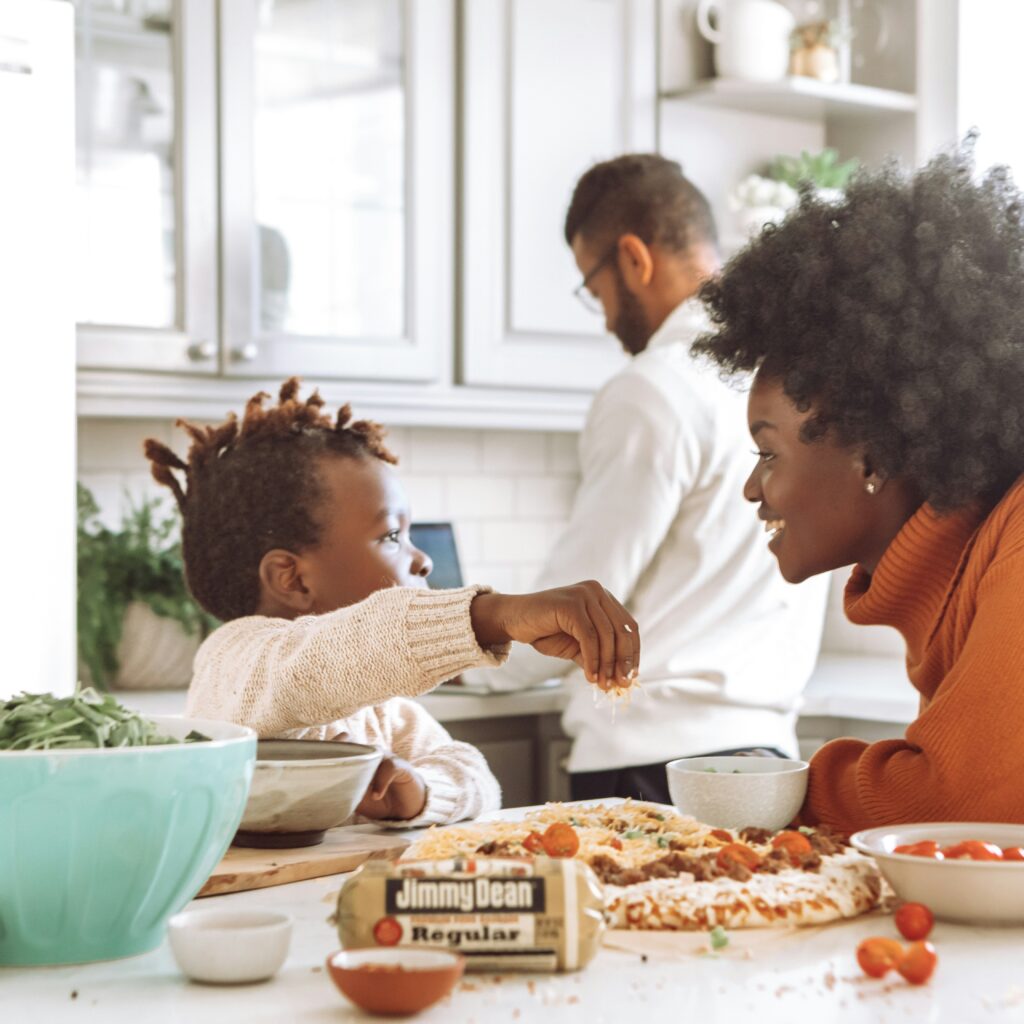
He expanded by saying that these conversations start at the kitchen table. Bruce said there is power in family values and how things are discussed at home.

“The most powerful force to prevent hate beyond any shadow of a doubt in all the studies is not government legislation, as important as that is, nor is it the school. It is the kitchen table.”
He said the development of hate in society today comes down to two things:

Ignorance
“One is, people don’t realise they’re speaking hate. They generalise that a certain group is evil rather than individuals. You know, they generalise, use words like evil. They are evil. That group of people is evil or lazy or this or that. And without knowing it, the kids are absorbing a general view of an identity, somebody, some skin color or way of being, religion or whatever.”
Vulnerability
Bruce said it is profoundly impactful if someone is fragile.
“The second thing is that the kids are very vulnerable to hate if they don’t feel loved and special themselves. Or to say it the other way around, a child that feels worthwhile and loved is less likely to be impacted by judgmental words or bullying and all that sort of stuff.

“In The Fathering Project, we say, ‘If you don’t give your kids a sense of deep love and worth, they are like a glass jar and everything’s a hammer’. Whereas if you make the kids feel worthwhile and special and loved and cherished, it’s like a brick. The hammer’s not going to break it.”
The Fathering Project
Bruce believed that many fathers are unaware of their influence and they underestimate their power over conversations at home.
“One of the things we learned early on in The Fathering Project was the power of a father to influence the kids. So they assume, correctly, that mums are good at this, good at parenting. This is why it’s not a mothering project. They’re really good at it already, even though they think they’re not.”

The Theory of Optionality
Bruce called it the theory of optionality.
“Mum loves me, she nurtures me, she worries about me. I’ve got her hook, line and sinker. But dad is optional. He does or doesn’t pay attention to me. He could do a runner. They are very aware of what their dad says.”
He said this can impact children both positively and negatively because the words of a father can imprint.

Bruce said that rather than reacting to events such as the Bondi Beach massacre, with responses of disgust, based on your own ideas, ask your children how it makes them feel, first.
“You should say to them, What do you think? How did you feel about it?”
“Don’t generalise about any particular group, but ask kids how they feel about it and role model an openness of kindness and empathy and understanding. And this is the core of Christianity, grace. It doesn’t mean you agree with the other person, it just means you treat them with kindness and understanding without compromising your principles.”
He said that if kids can learn grace and empathy, they will not grow up with a hateful mentality.
Check out the full chat with Dr. Bruce Robinson below.