
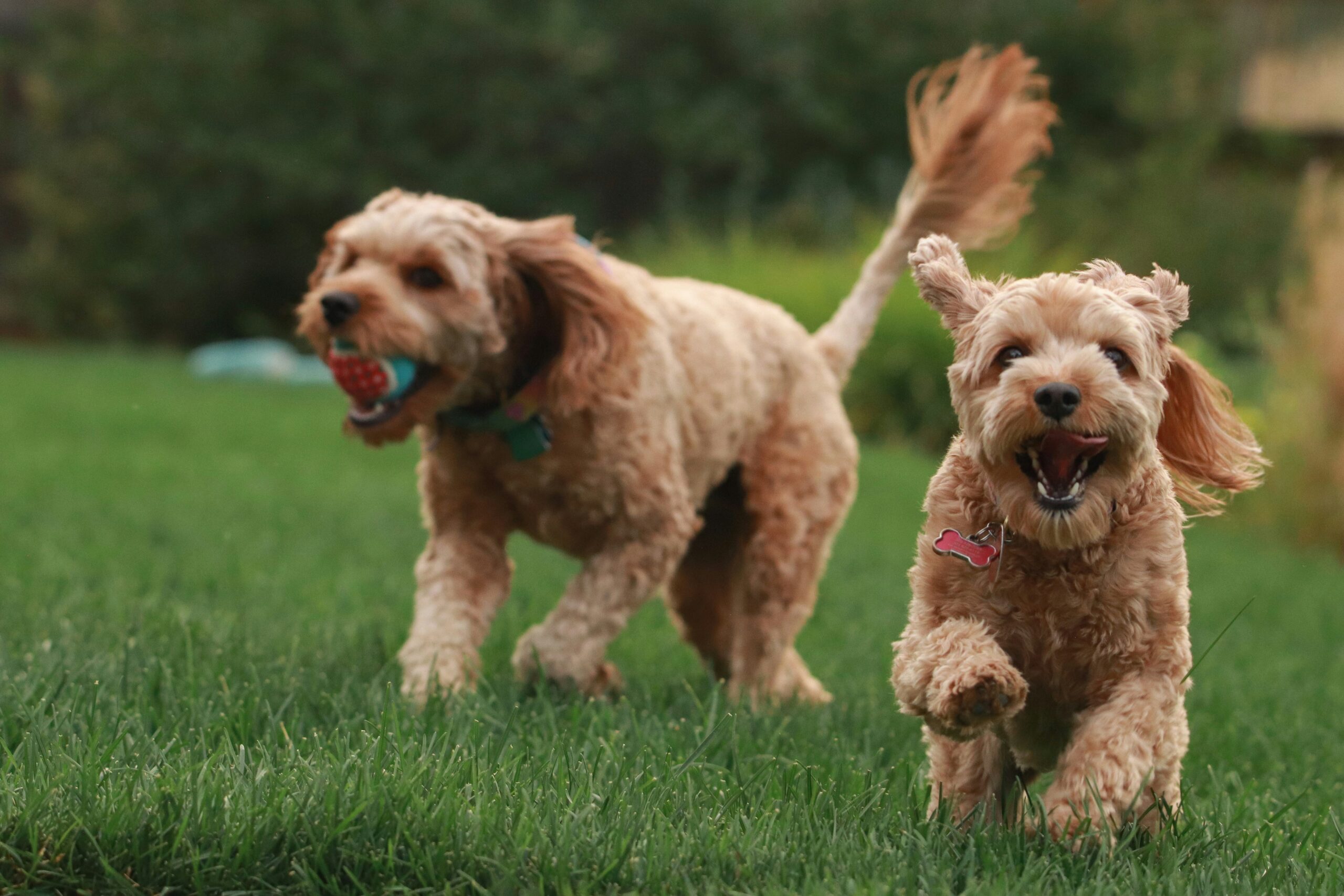
Orlando Dos Santos from Results Dog Training, joined Doug on Mornings to talk about reactive dogs.
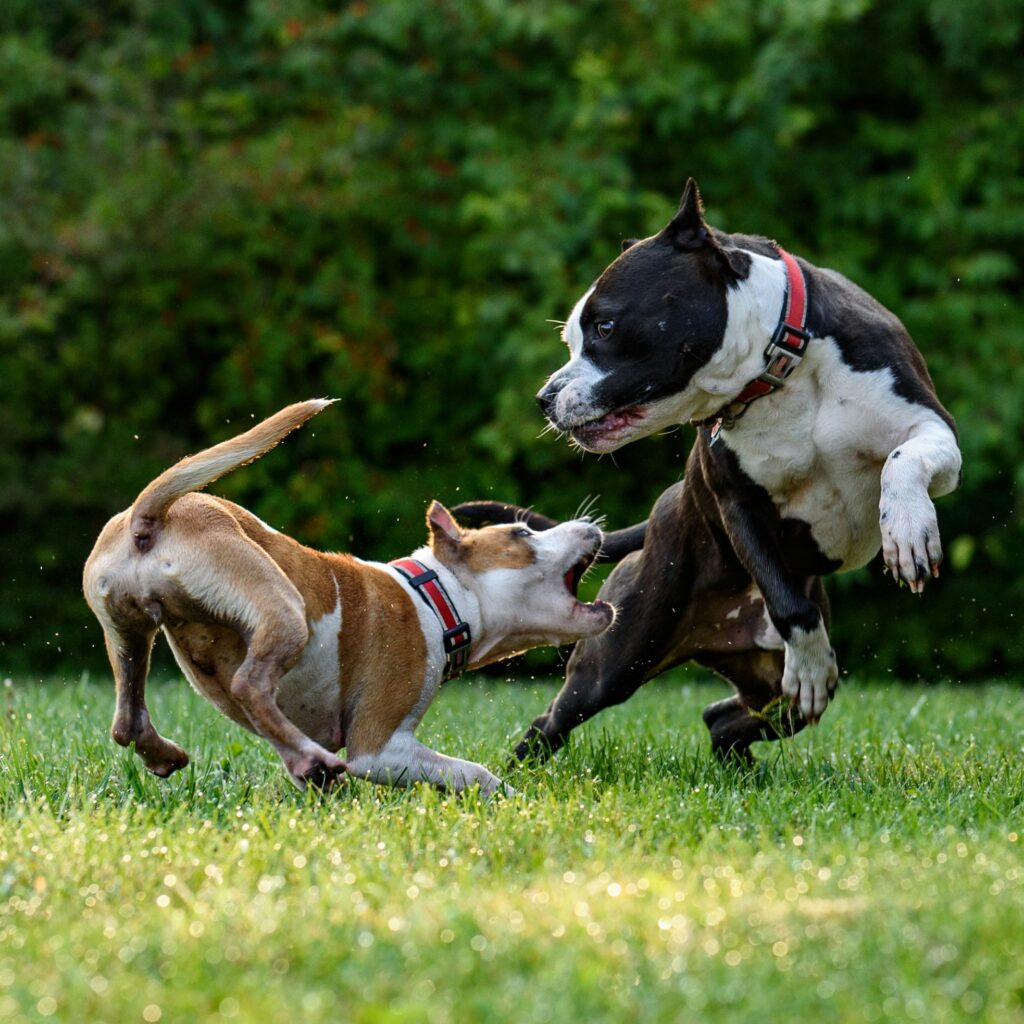
“So when we look at reactivity, we often look at what we see, which is kind of the tip of the iceberg, basically. And so we see aggression as we sometimes term it.”
Some dogs can demonstrate scary behaviours because reactivity is a coping mechanism. Orlando said that even though owners don’t see these reactions at home, once the dog is feeling vulnerable, it can look different.

Ladder of Communication
“There is a language that the dogs speak and it’s called a ladder of communication. So the dog might stiffen and start to move away. They might even try to hide behind us. They’re giving us all these little signals. And then after a while, they’re going, I can’t cope. You’re not protecting me. You’re not providing what I need.”
Orlando said that this causes them to go up the ladder into barking, lunging, snapping, and perhaps even biting.
“Be really aware of what the dog is telling us they’re basically saying, I’m not a reactive dog, I just can’t cope in this situation.”
Why Your Dog is Pulling
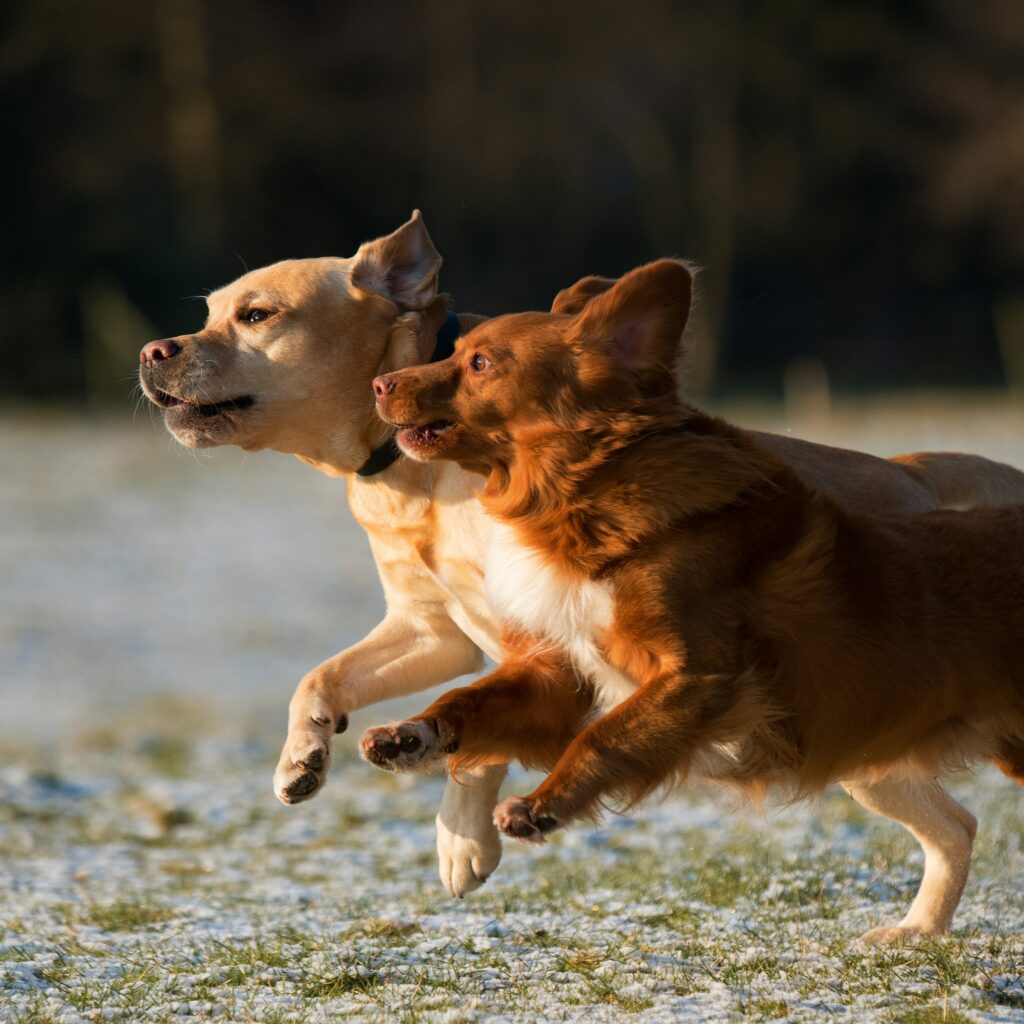
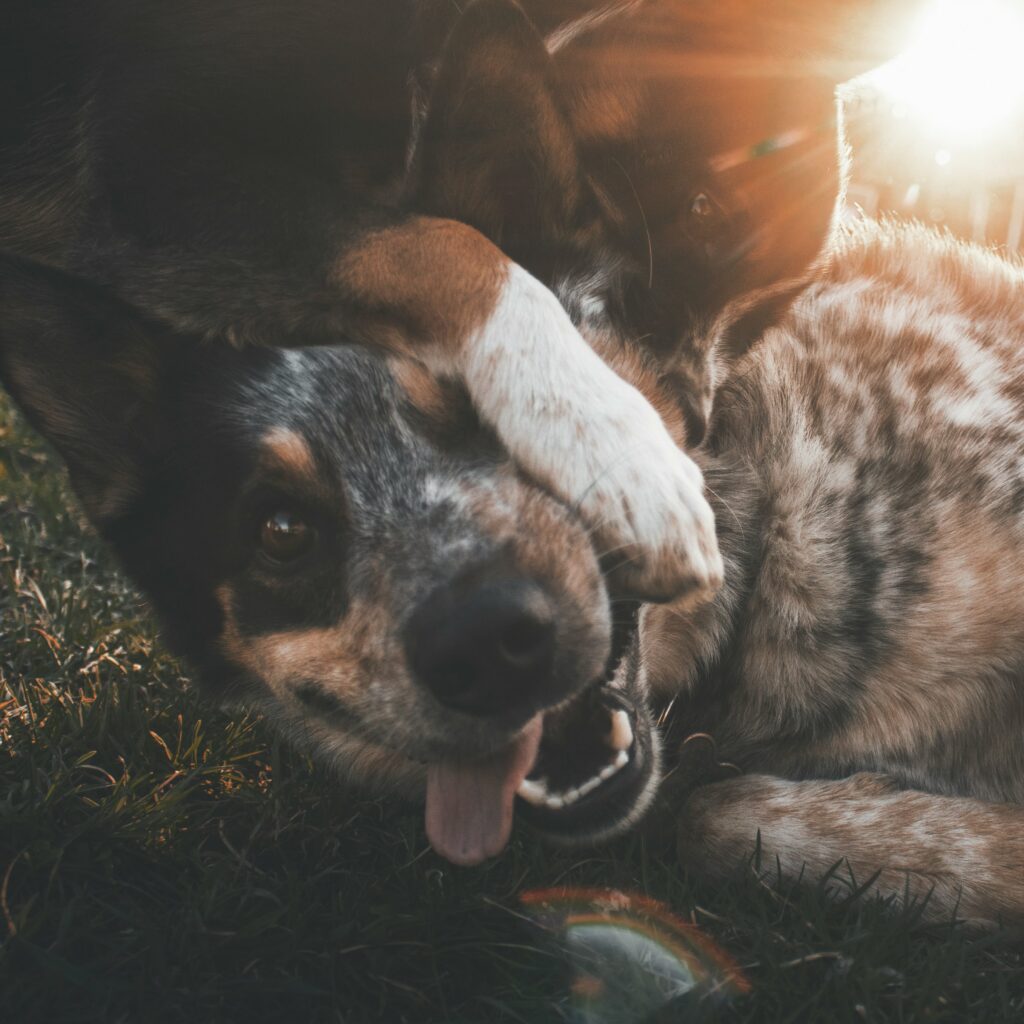
Orlando said it can come down to one of two things:
- They want to play
- They want to fight
“If a dog wants to play, he’s looking at reducing distance. If the lead tightens on him, then he will realize that his option of reducing distance is taken away, which then leads to frustration, which then leads to other displacement behaviors or other coping strategies, which will be the jumping.”
He said, this can lead to patterns of stress-led habits.
“So it becomes quite stressful because we can’t go anywhere near dogs now, and even further away, the dog starts getting excited. So it’s actually a matter of management.”
The Right Equipment
“If we’re walking a dog with a back clip harness, then the dog is pulling forward, they’re getting an adrenaline rush, they’re going to the gym, they’re doing lots of push-ups, and they’re getting quite frustrated,” he said.
“If we put a dog on a front clip harness, then basically that’s pulling across their shoulder, often the dog will spin around, come out of the harness, but basically we’re causing pain, or it might be other harnesses that we have, nose harnesses, the ones that go under the armpits, all that type of thing, but that’s all that causes pain in a frustrated moment anyway, which then takes the emotions up to another level.”
Set Ups: The Fire Drill of Training
Orlando compared Set Ups to fire drills at school. It involves taking your dog on a loose harness to the park, then giving the job another job to do before it reaches its coping point. It might be at 20 meters or longer, but it allows the owner to change the habit loop.
“The presence of another dog now predicts a new behavior, which is playing with mom and dad. And so we get closer and closer and closer. This is actually training. We can’t actually just stop the behavior at the moment. We can’t actually find our way out of the fire unless we’ve done the fire drills.”
How to Stop a Habit
Some dogs are prone to disgusting habits like rolling in poo. Orlando outlined what helps stop the habit. It involves finding something to trump the disgusting habit.
“You’re giving your dog something different to do, but we’ve got to find something in the dog’s terminology which is going to trump this, that we call a disgusting habit.”
Scatter the Feed
“Throw five or six pieces on the floor and have them go find it. And then you teach them that word, go find it. So as soon as it starts rolling, go find it. And so they go, oh, I’ve got a better thing to do: chase.”
The Language of Dogs
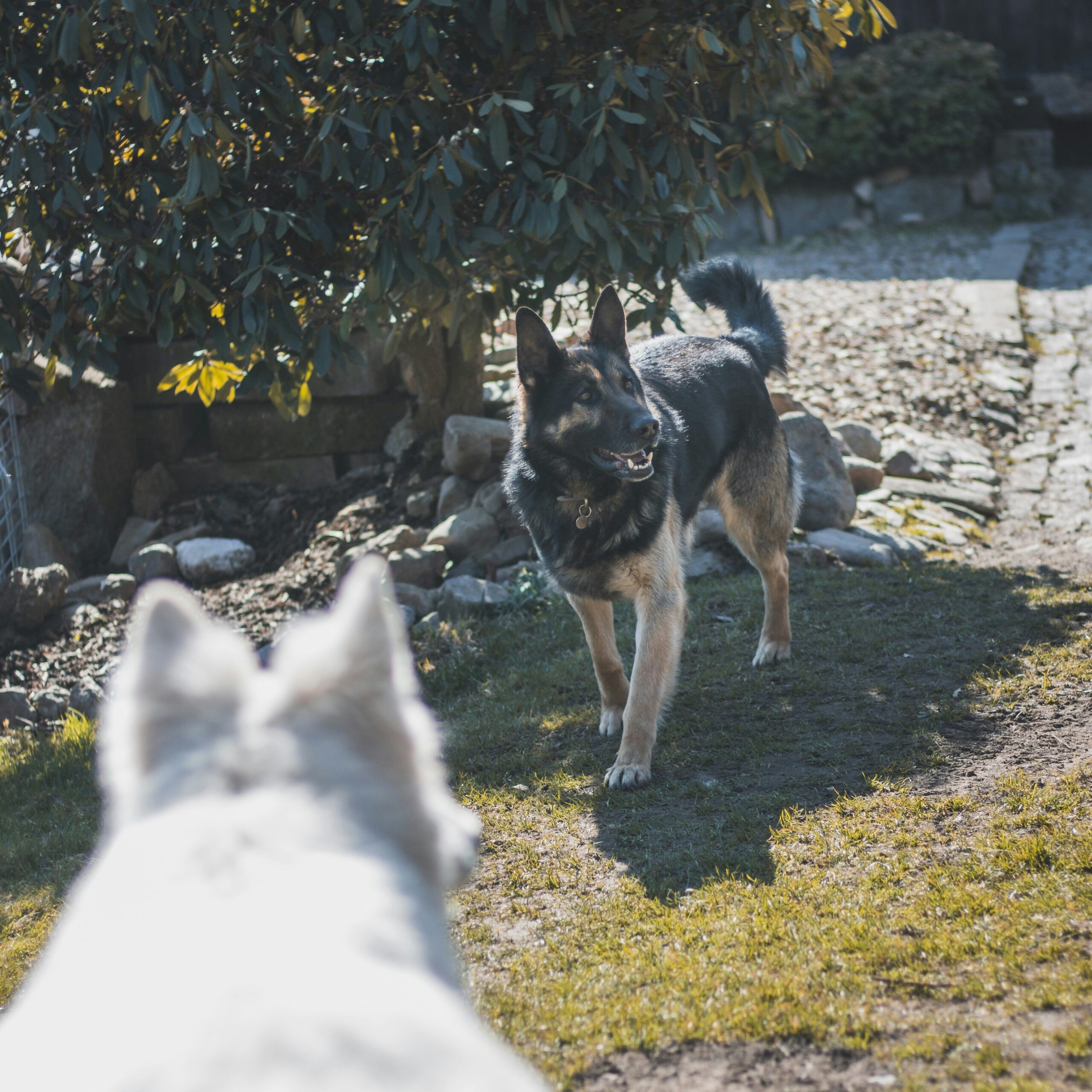
Orlando said it is worth doing research to understand the language of dogs. are they stiffening? This is a dog whispering. Are they barking? This is a dog shouting to us. From that point, it can escalate and get to lunging and snapping.
The Stress Bucket
“The stress bucket is like a scale, perhaps the dog can only go up to a 7 out of 10. They might be concerned about other dogs. So they see a dog, they go up to number 4. If they don’t have a lot of time to recover from that, they might be sitting at 3 when they see the other dog. They might go up to a 6. Then they might see something else, which is a 6.5. And then there’s a small little thing where a person walks past or leaf blows and they react because they are already sitting at a 6. This is called stress stacking or trigger stacking.”
How to Regulate Stress Stacking
“So regulation is a lot of what we talk about, green, amber, red zone. And often if they’ve had a very stressful time, the best thing for them is take them home, give them a sleep, let them calm down, give them something to lick on, a chew toy, or something like that, to allow them to regulate downwards.”
He said that misreading signs can allow them to stack one stress over the other.
“We need to give them time and space. We need to advocate for our dogs, because in a situation where a dog is stressed, it’s not misbehavior. It’s they just can’t cope at that time.”

Quick Tip
Orlando’s quick tip is to speak to the owner of the dog you are approaching.
“Raise your hand like a stop sign and say, ‘Please keep your distance. My dog needs space.”
He said this gives responsibility to the other dog owner to act responsibly and keep both dogs as stress-free as possible.
Check out the full chat with Orlando Dos Santos below.