
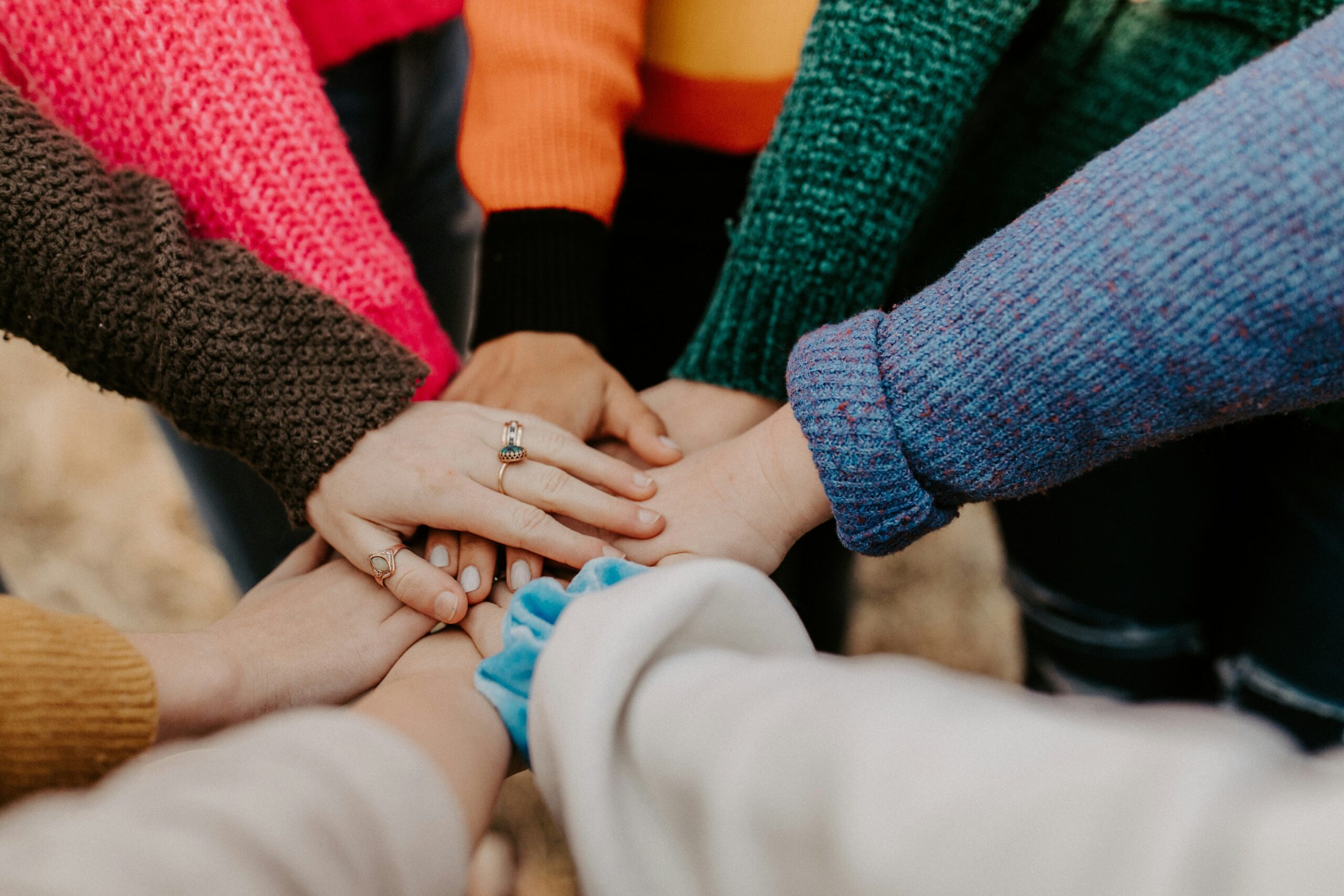
Bec and Asa from Drive were joined by Dr. Bruce Robinson from the University of Western Australia to discuss group identity in light of the events that took place on Australia Day.

For those that missed the headline; A white supremacist threw a homemade bomb into a crowd of Indigenous people who were protesting invasion day.
“Fortunately it didn’t go off,” said Dr. Bruce, “Otherwise it would have made bigger headlines.”
“It was a flag burning as well,” he continued, “And when it comes to flag burning, I get a rage, because my dad served under that flag in the First World War, as did my uncle, as did my grandfather.”
He said that white supremacy, flag burning and disrupting a peaceful protest with children by throwing a bomb makes him so angry.
“And I thought, why is it that people get so passionate about a cause to the point where they’ll throw a bomb?”
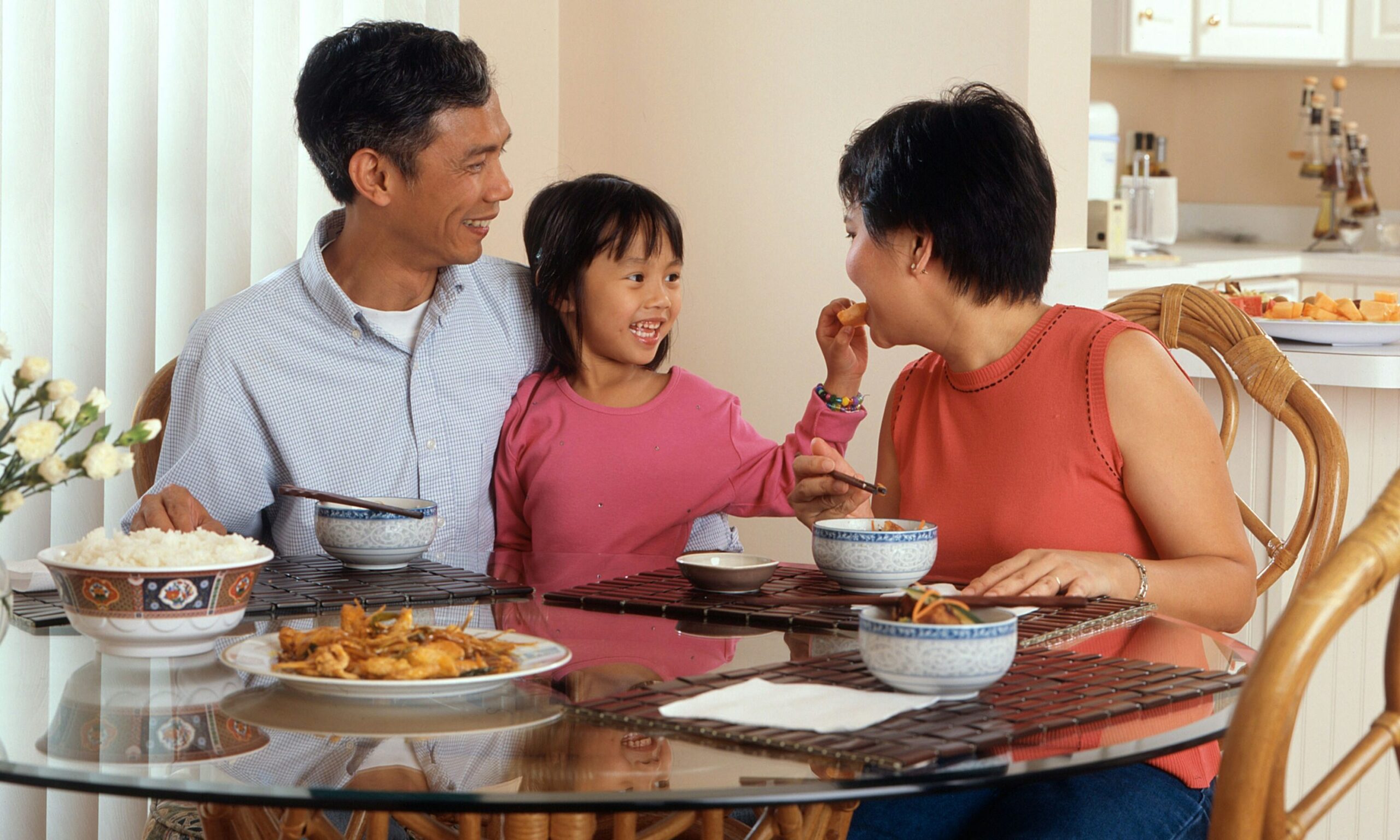
The Psychology Behind It
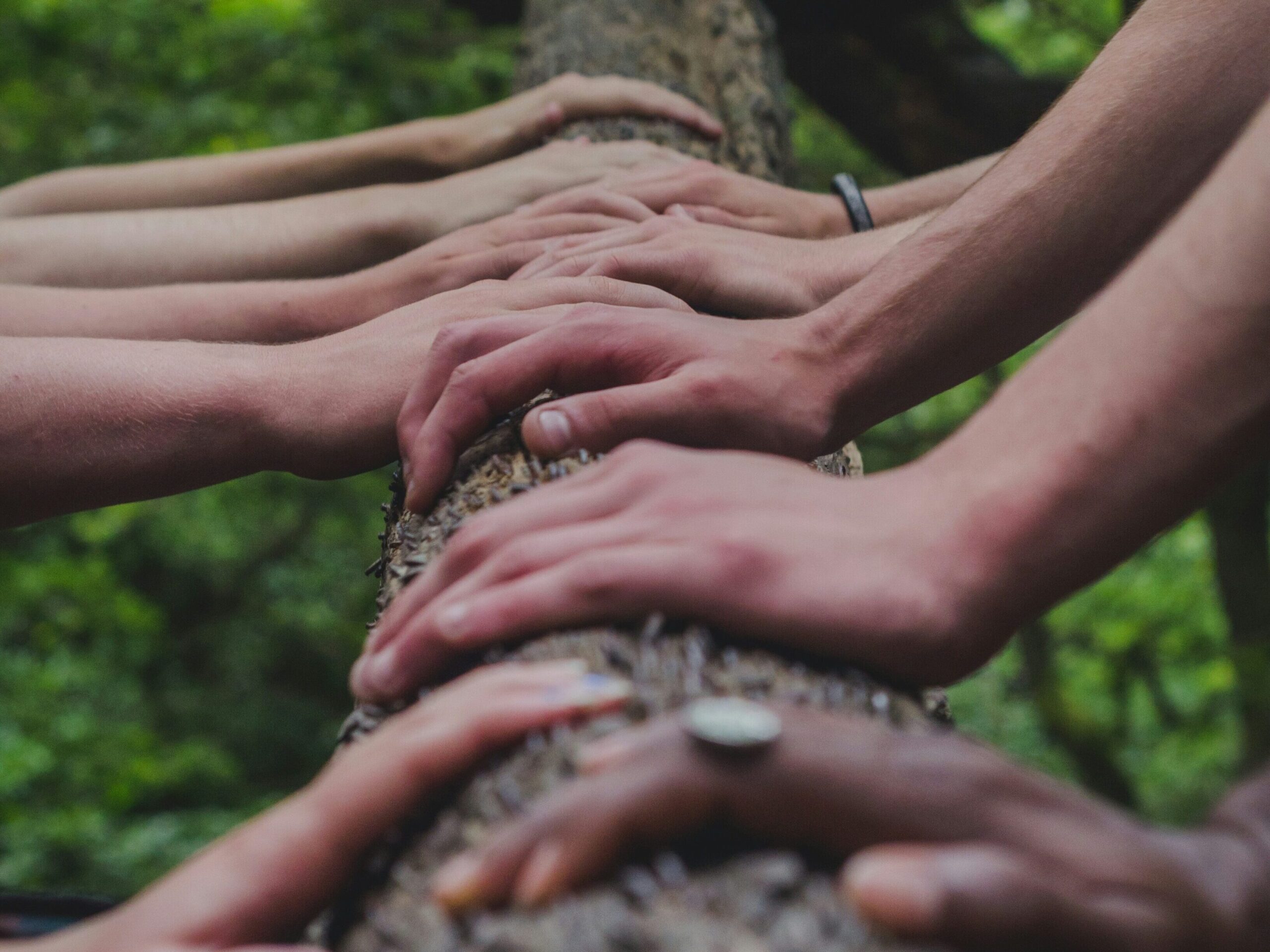
Dr. Bruce said it comes down to a tribe mentality.
“We all long to be in a tribe. It’s actually a human need, whatever the tribe is.”
He said, when it comes to family values, there are several factors to consider in order to create peace among different tribes.
1.Teach Your Kids to Be Authentically Themselves
He compared it to a sugar cube inside a cup of coffee.
“Don’t be dissolved into some identity. I always think about it like a sugar cube. A sugar cube has a certain shape and, you know, although they look much the same, but they’re all different.”
“Once sugar goes into a coffee cup, it gets dissolved and you can’t see it anymore. And it’s what some people can do with their identity.”
He said it might be a political identity, a sexuality identity or a religious identity.
He continued, “Our lab looks at DNA sequences and stuff. I mean, there are billions of letters in that code. And they’re so different between people, let alone, you know, what happens after that. You know, anyone who’s had more than one child will realise how completely different any two kids are, right? And that’s coming from the same womb.”
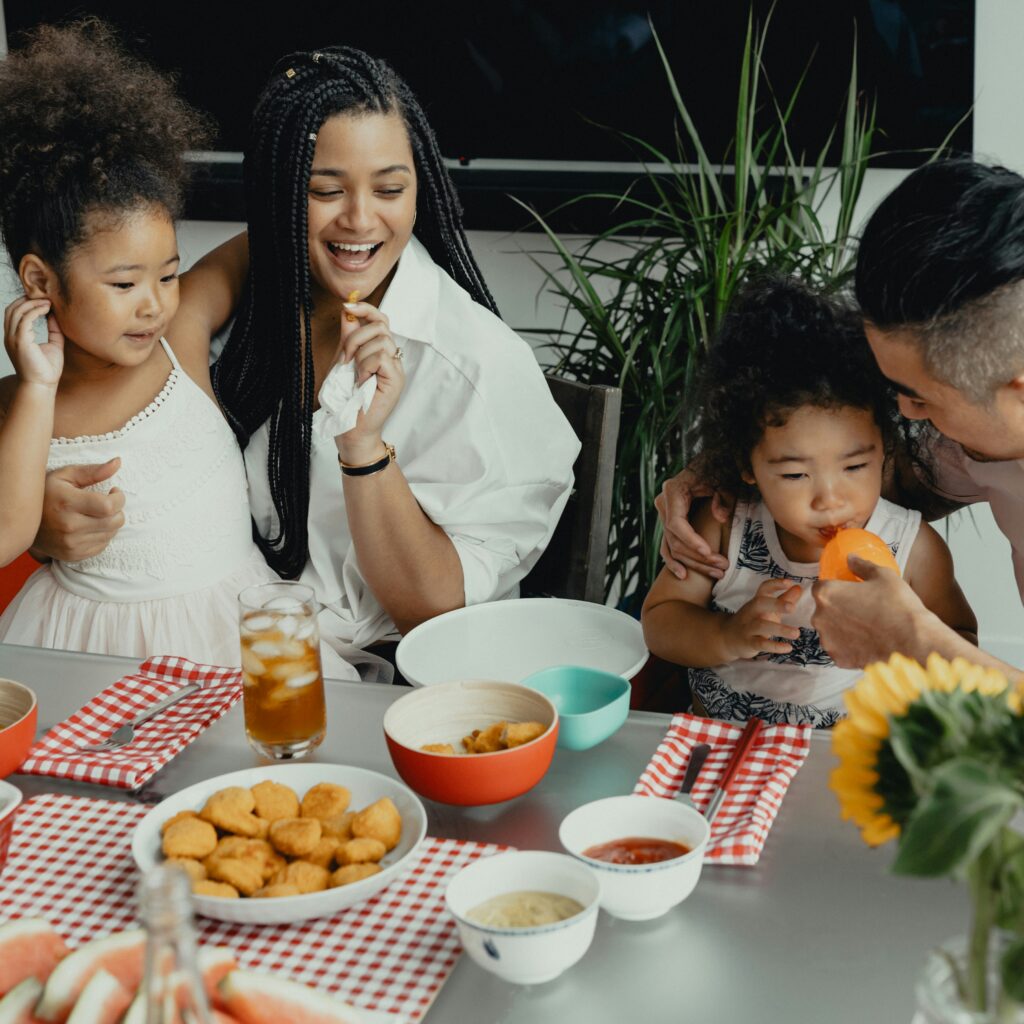
2. Build Them Up
“Help them understand who you are. Whatever it is, they’re utterly unique and to build that up every time the kids look as though they’re losing themselves.”
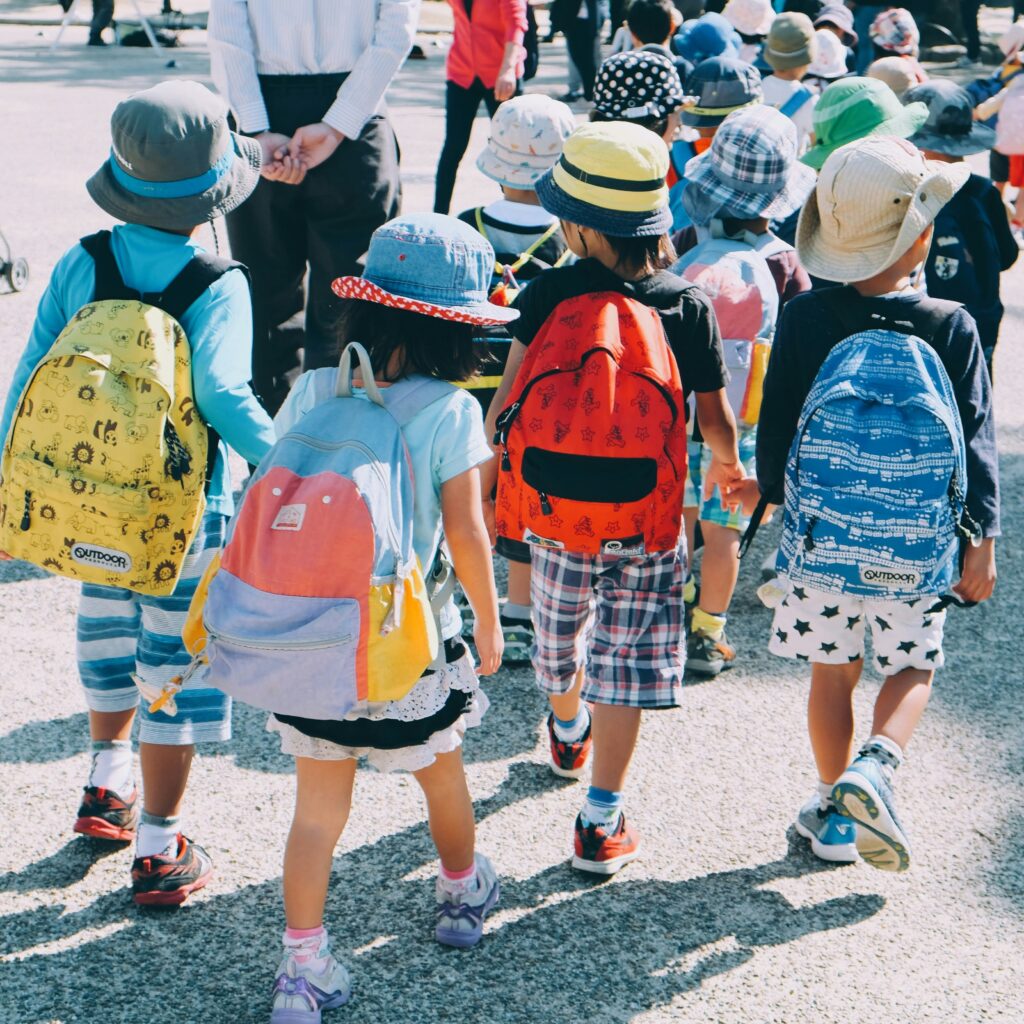
3. Be Empathetic
Children who are at school require empathy, said Dr. Bruce. He encouraged parents to ask open ended questions, especially in relation to bullying, such as:
How did you feel?
Are you angry or frustrated?
Why do you think he said that or she said that?
“Usually it’s a problem where they feel inferior. People who are bullies or judgmental are people who see life as combat. Win or lose, everything is a win or a loss. And around the meal table you can teach your kids to have empathy for other people.”
He elaborated on the fact it is not about agreeing with the child but demonstrating empathy. It is also about the unique qualities of every child and the importance of building them up.
Check out the full chat with Dr. Bruce Robinson below.