
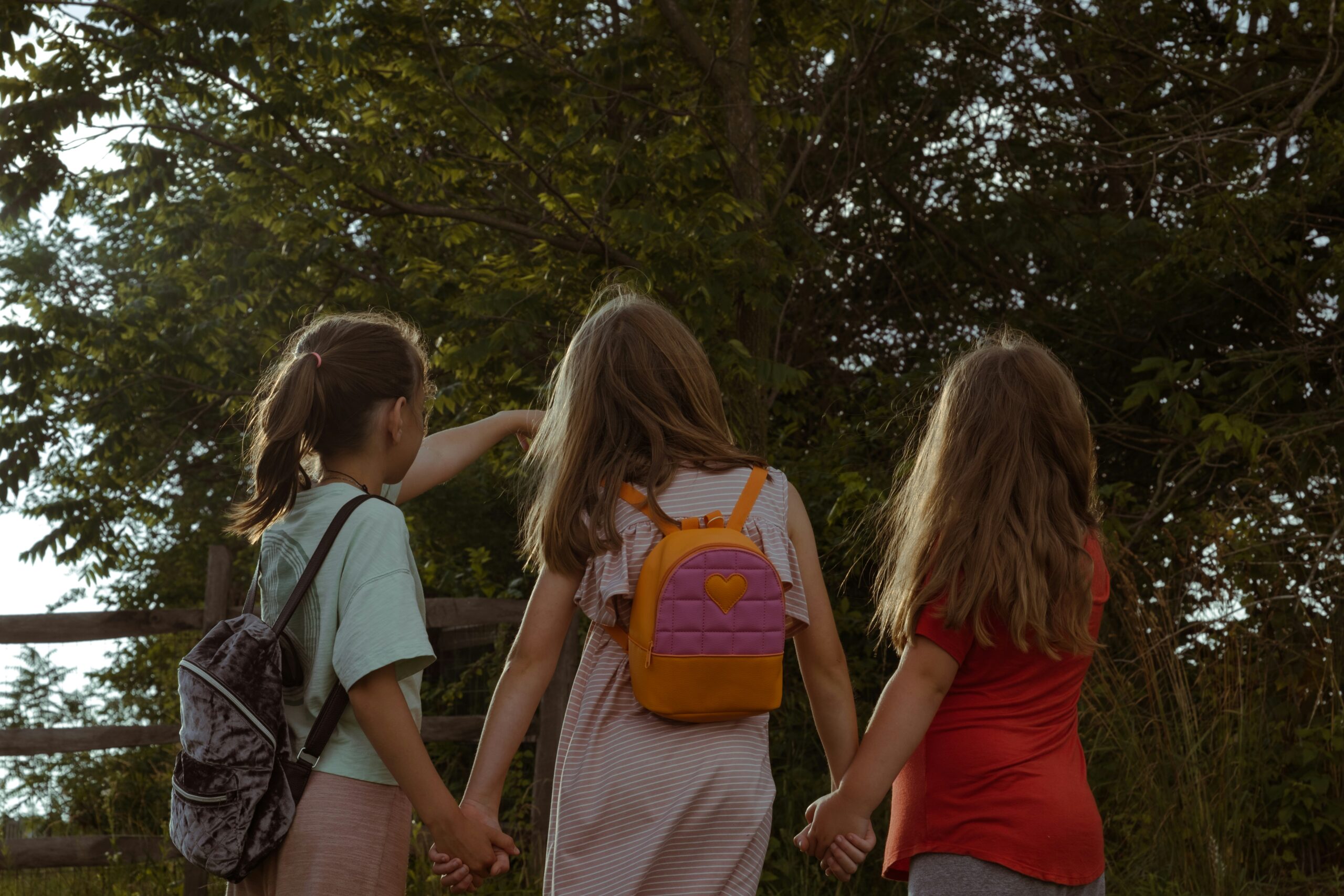
Bec and Asa from Drive were joined by Dr Kelsie Prabawa-Sear from Nature Play WA to talk about why teenage girls aren’t using public recreational play spaces.
UK Research
Her team at Nature Play WA found some interesting work and research that came out of the UK that said that teenage girls weren’t using public recreational spaces.
“They were being used by about 95% boys and men. So we wanted to find out, is the situation the same here? So we did a community survey.”
Their research brough the same results. Younger girls are using spaces, but teens and older girls are almost non-existent.
“We saw out of 6,500 plus people that were observed, less than 6% were teenage girls. So yeah, they’re missing in action. They’re not using our spaces.”
Teenager Territory
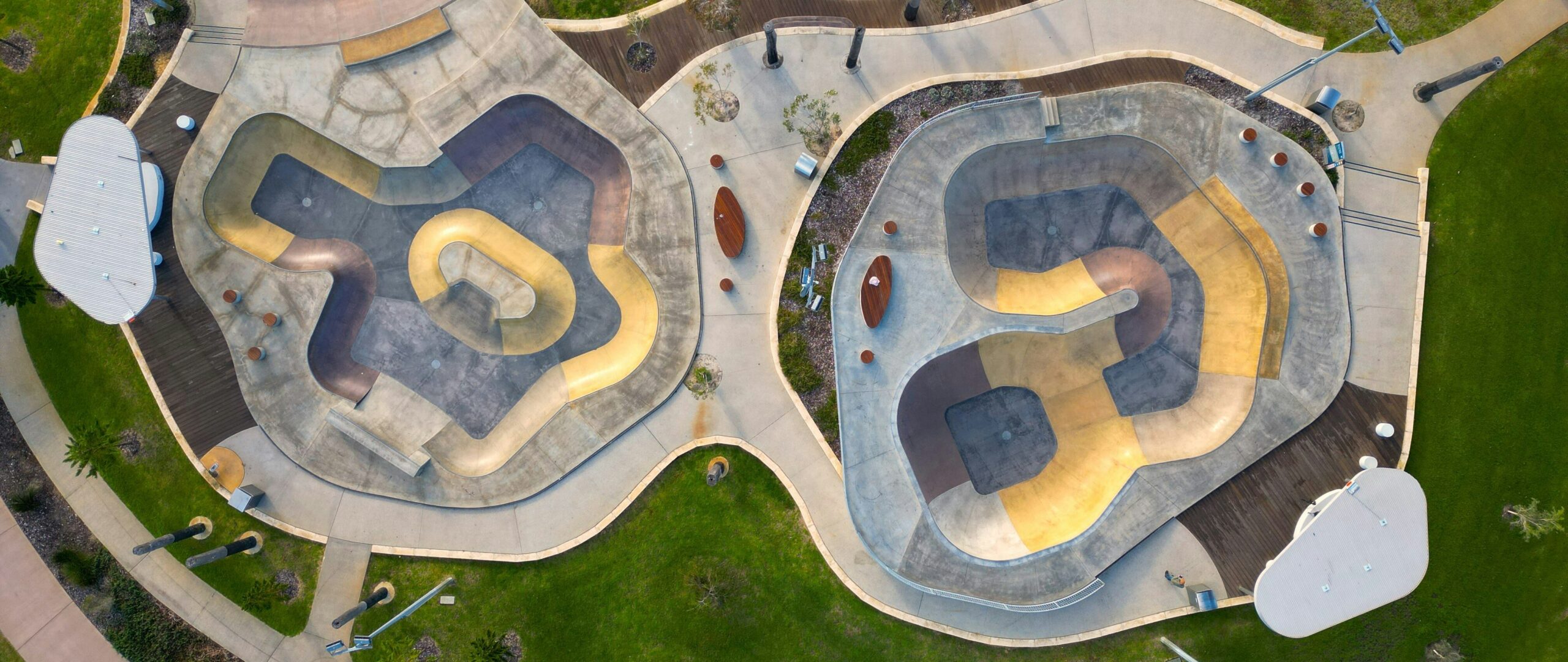
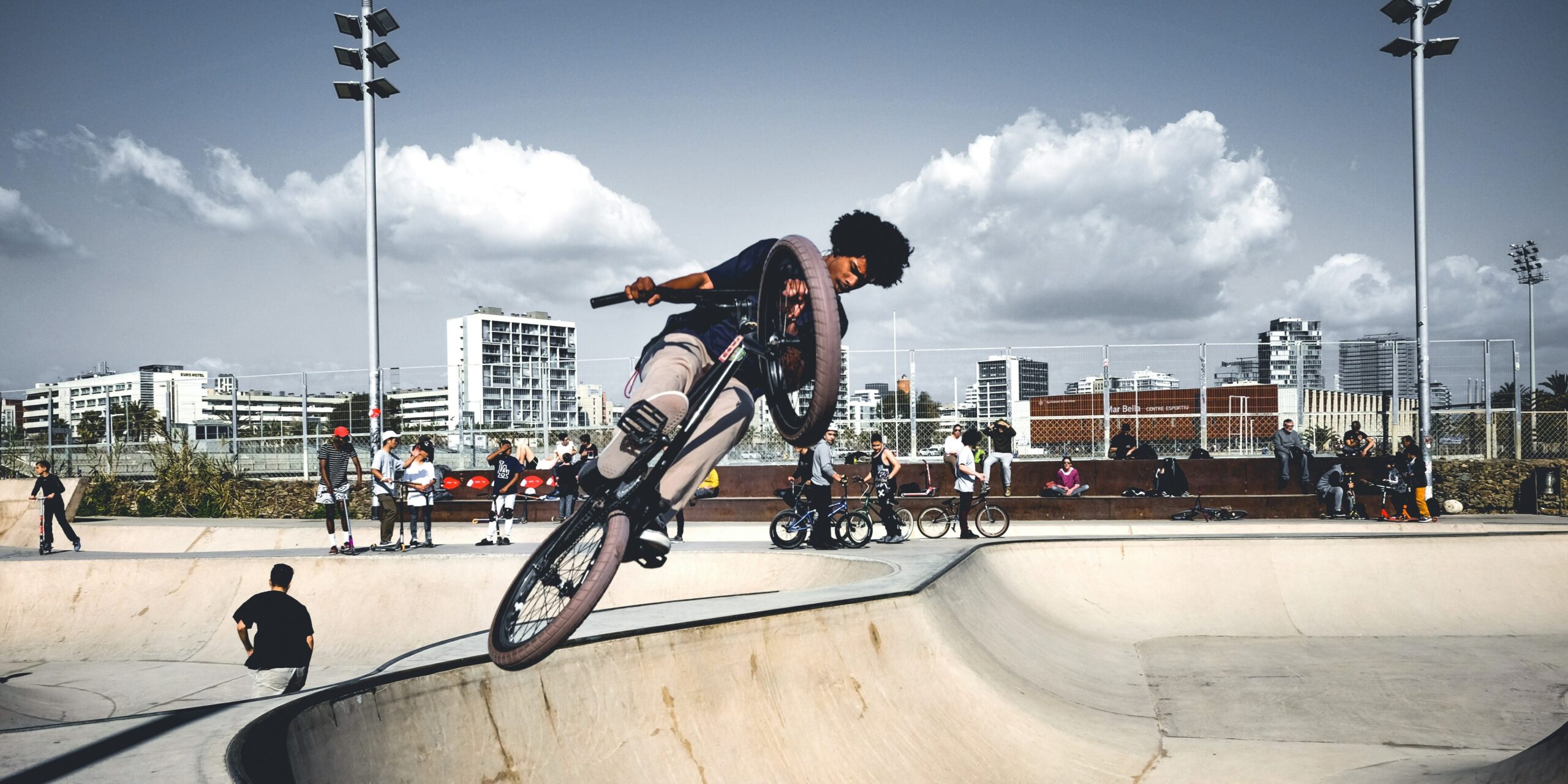
Kelsie said the reason for lack teenage girl sitings is due to a specific area of interest for them. Conversely, teenage boys are drawn to spaces like BMX tracks and skate parks.
Kelsie detailed how Nature Play WA plan to combat this issue.
“Our next step is to do a lot of consultation with girls to find out. BMX tracks and skate parks are the spaces that are least likely to be used by teen girls because they’re such a sort of rough and tumble environment and competitive environment.
She highlighted that playgrounds are also generally focused on those under the age of 12.
“So some girls are caught in this bit of an in-between in a no girl land and just not feeling like there’s a space for them.”
What a Girl Wants
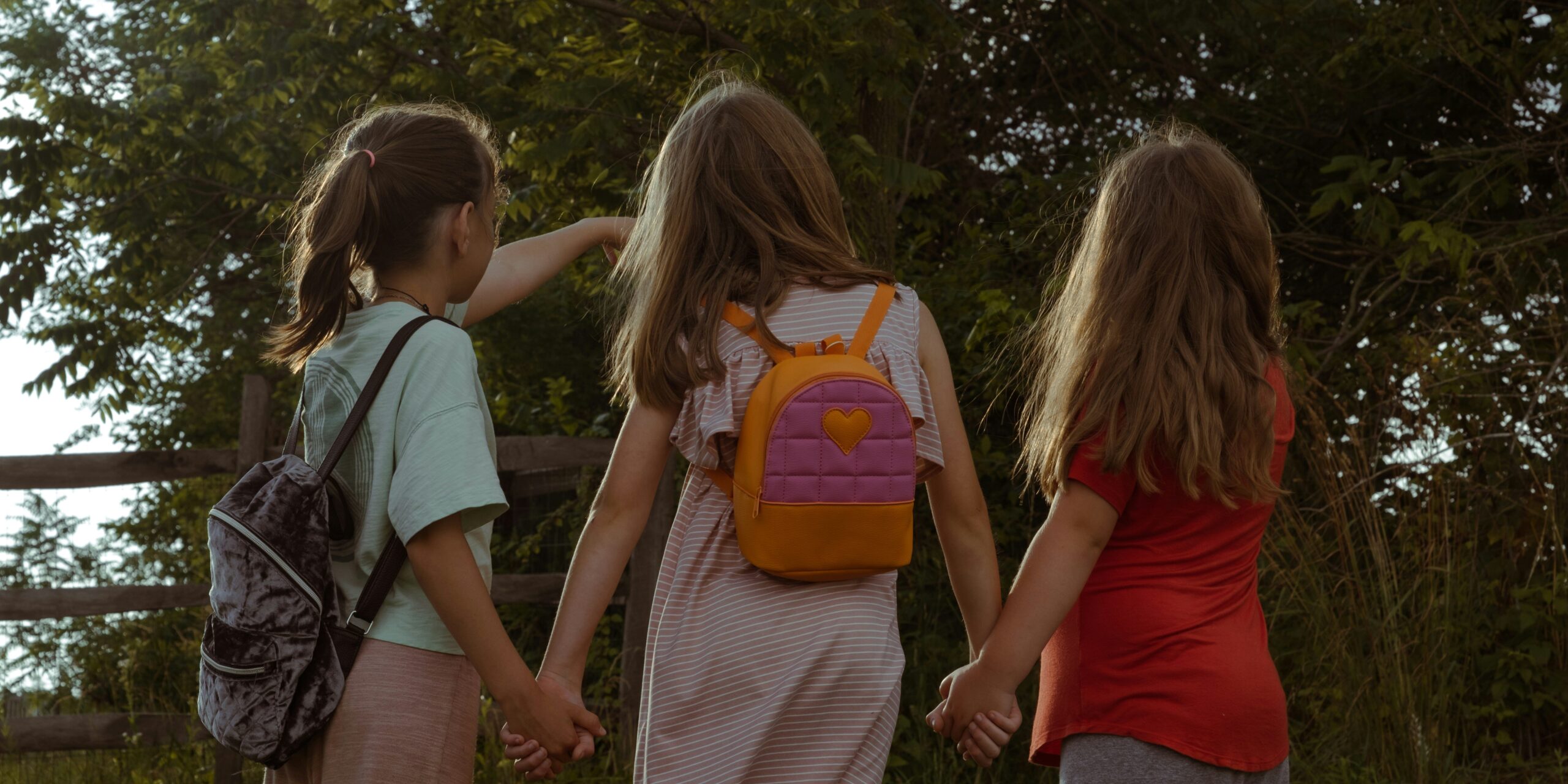
When Nature Play WA conducted their survey, they asked people to note what activities they saw teenage girls doing. The results showed it was mainly social activities like walking with friends, chatting or walking the dog.
“They might be next to the track or near the basketball court, but mostly they’re walking with friends, sitting and chatting or sometimes swinging if there’s big swings.”

Socialisation
She noted it comes down to socialising for them. The team discussed the prospect of creating environments that would help facilitate socialisation and conversation.
“Having circular seating and circular swings and that that will encourage for everybody to feel like there’s more space to socialize and then also that cultural thing of yeah this is everyone’s space and everyone’s welcome and having programs to try and kick that off.”
She continued, “When we reflect on it we used to think girls didn’t want to play because the opportunity wasn’t there. And now we see it’s really popular amongst girls. So I think, given variety and given options, girls like all kinds of different things.”
She concluded by saying there will continue to be implementations that promote inclusivity for all ages and they will report back with further research in the coming months.
Check out the full chat with Dr Kelsie Prabawa-Sear below.