
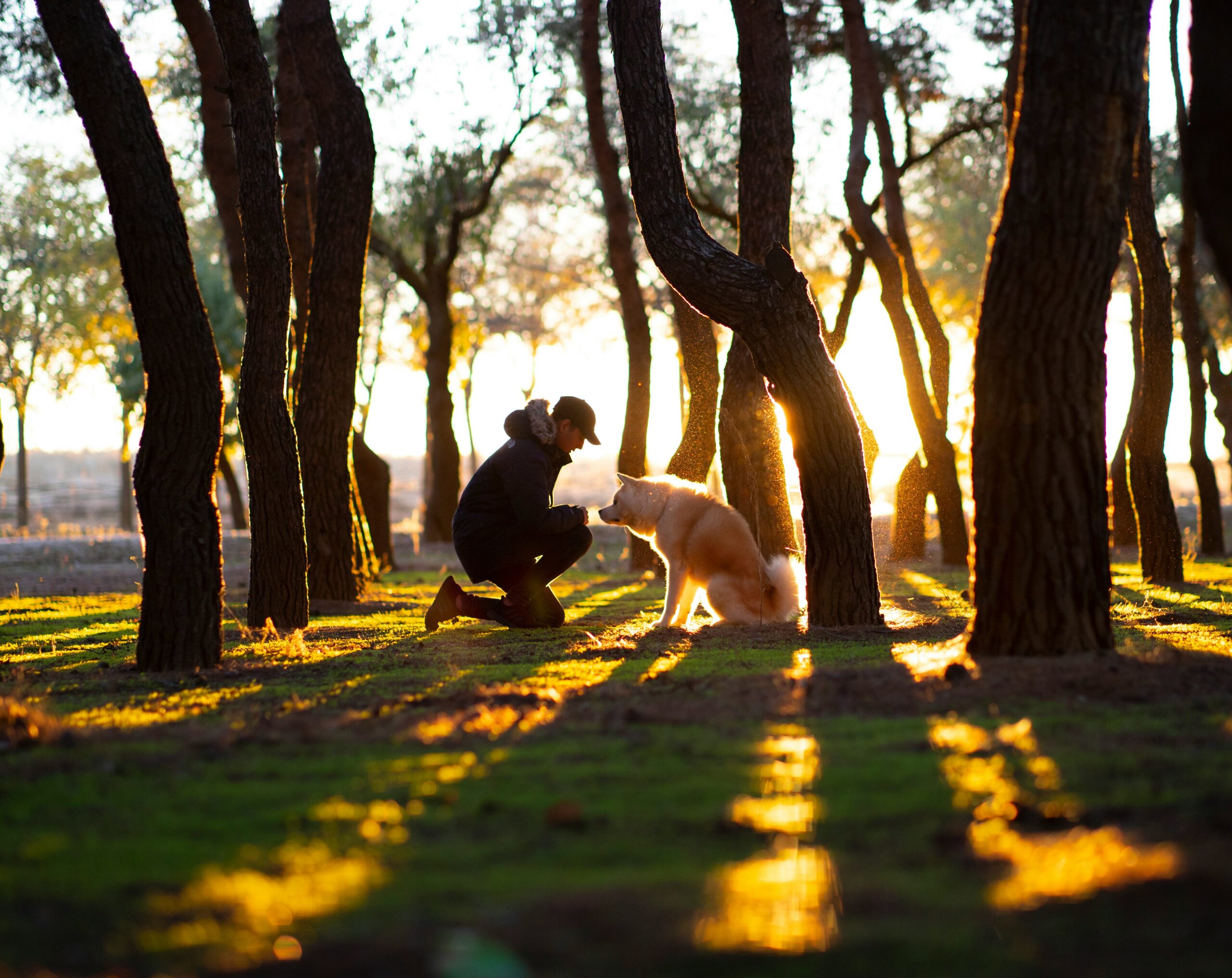
Doug from Mornings chatted to dog expert, Orlando Dos Santos from Results Dog Training about important leash training tips.
Orlando said there can be a huge misunderstanding when it comes to the disobedience of a dog, when it is actually a regulation problem.
“Dogs are finding it difficult to cope,” he said. “We’re starting to look at what our dogs are attracted to and what is overwhelming for them.”
Attraction or Distraction
“So we can either be attracted to distraction, which causes us a reaction, or we can be attracted to a connection, which causes us to be regulated,” began Orlando.
He gave an example of a dog on walk feeling safe and regulated.
“They will feel emotionally safe and they will hang around with us. If the distraction is too high, then they need to find a way to cope. And often this is where the tension happens. So what happens is the dog will start pulling towards a distraction, either because they’re fearful or because it’s too exciting or whatever it is.”
He encouraged owners not to start pulling back in the other direction, or it may escalate the whole situation.
Focus on Emotions
Orlando said it can often come down to overwhelm.
He posed the questions: “How is the dog coping in their body, in their brain, in their emotions, in their environment? And is the environment too much for them?”

Five Needs of a Dog
- Safety
- Connection
- Autonomy
- Regulation
- Predictability
Safety
Orlando outlined that the initial feeling of safety can indicate how they will respond when owners limit their options.
“If they are feeling unsafe and we put them on a tight lead, then what they feel is that their flight option has been taken away. Their sympathetic nervous system kicks in, it’s fight or flight. I don’t have flight anymore, so I’ve got to growl and make myself all snarly to try and get distance to get you away.”
He said that dogs will enter a more panicked state if their autonomy is taken away from them.
“If that is the case, then obviously, as people, we need to start moving our dogs away to make them feel safe, so we’re advocating for them,” said Orlando.

Connection
Dogs can become co-dependent with their owners and want to be around them but if the distraction is too much, they can pull away, said Orlando. He demonstrated with Doug, using a light blue lead.
“The more you pull, the more I want to pull, but now I’m going to stop pulling and Doug has stopped pulling as he has got nothing to pull against. Doug, in turn, noticed the pressure when he held onto the lead and the release he felt when there was no longer tension.
“And that is where regulation comes into,” said Orlando. “Because the pressure gets released.”
Autonomy
“Dogs want autonomy,” said Orlando. “They want to create, they want to sniff. They want to look around, they want to visit all their social media at every lamppost. So they want that sense of creativity, same with us. We want certainty, but as people we also want that creativity and that exploration.”
Regulation
Orlando looped back to Doug’s comment about pressure being released and discussed why dogs feel that way.
“When we look at the physiology and also the psychology, when we attach a dog to one point on their harness or their collar, they feel I’ve got to pull more,” he continued.
“We want peace. If we ask a lot of people what their main need is, they’ll say, I really want, I just want peace in my life. Well, dogs want regulation as well.”
He referenced Isaiah 26:3:

“You will keep in perfect peace those whose minds are steadfast, because they trust in you.”
Isaiah 26:3
“If we want peace, if we want regulation, then there needs to be that connection. And once there is that connection, regulation pops in, peace starts to pop in, and we feel that sense off.”
Predictability
Humans and dogs have similar needs when it comes to safety, connection, autonomy, regulation and predictability, noted Orlando.
“There’s a sense of predictability that we need to have, so once we start to see that a dog is not pulling out of disobedience, but out of an unmet need of either safety, connection, autonomy, regulation or predictability, then we can start to address those things and we can advocate for the dog.”
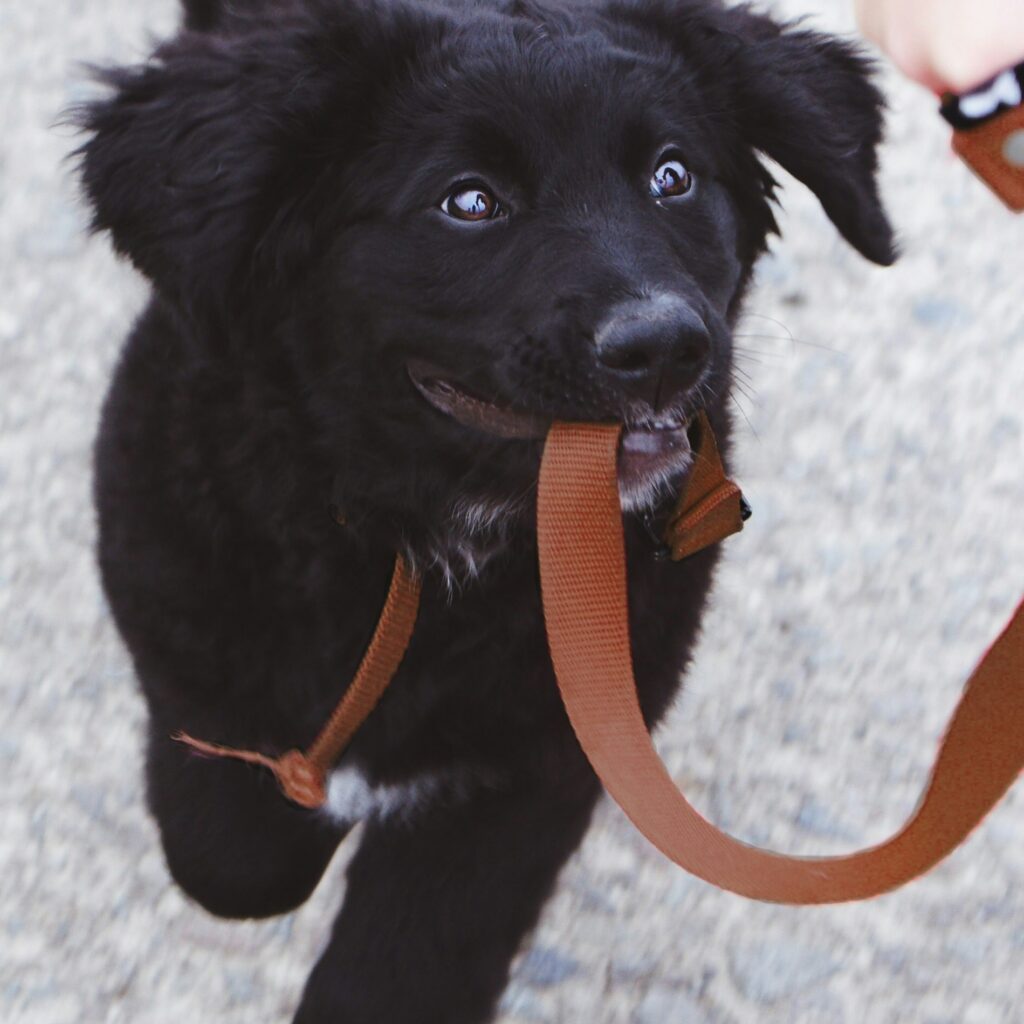
Orlando introduced another acronym, HELPS that can assist owners in understanding their dogs.
HELPS
- Health
- Environment
- Past Learning
- Psychology
- Social
“When we start to read our dogs, we see that there is a kind of a pendulum that they’re swinging on between attraction and distraction.” He continued with comparison to humans and the struggle we have between the world and God.
“As a Christian, I want to be attracted to God and do all the things of God, but sometimes we’re distracted by the world and then there’s that pulling away.”
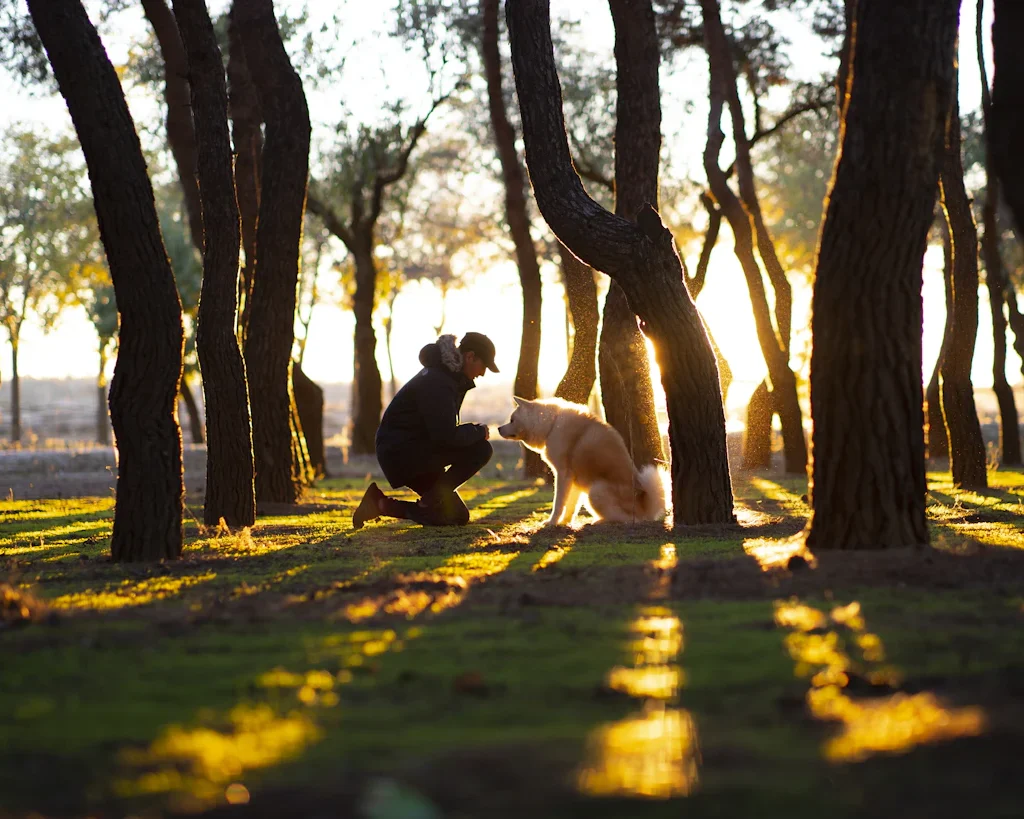
Our Attention Gets Action
“If they’re overwhelmed with an environment, don’t flood them.
He encouraged owners to understand that a lot of exercise may not necessarily be everything the dog needs if they are not regulated. It is the same for us when we need to slow down and enjoy our lives.
“Let’s take them out there for 15, 20 minutes, maybe half an hour, and let them sniff, let them enjoy life.”
Check out the full chat with Orlando and Doug below.